
Silver, Blood and Scissors: Protection against Witchcraft in an English County
Silver, blood and scissors were among an array of things both manmade and organic used as protection against witches in late 19th and early 20th century Warwickshire. In this piece I look at the methods people in the county employed to guard themselves from what they perceived as the very real threat of becoming bewitched.
By Hilary Sparkes

In A History of Warwickshire (1889) Samuel Timmins commented that, “[s]uperstitions about witchcraft have nearly died out…” (Timmins, p. 215). However, folklore collected in the late 19th and early 20th centuries paints a rather different picture, revealing that in some areas witch beliefs still held strong. In this piece I will be looking at some of the measures which people in my home county of Warwickshire took to protect themselves, their families, homes, and livestock, from what they perceived as the very real threat of being bewitched.
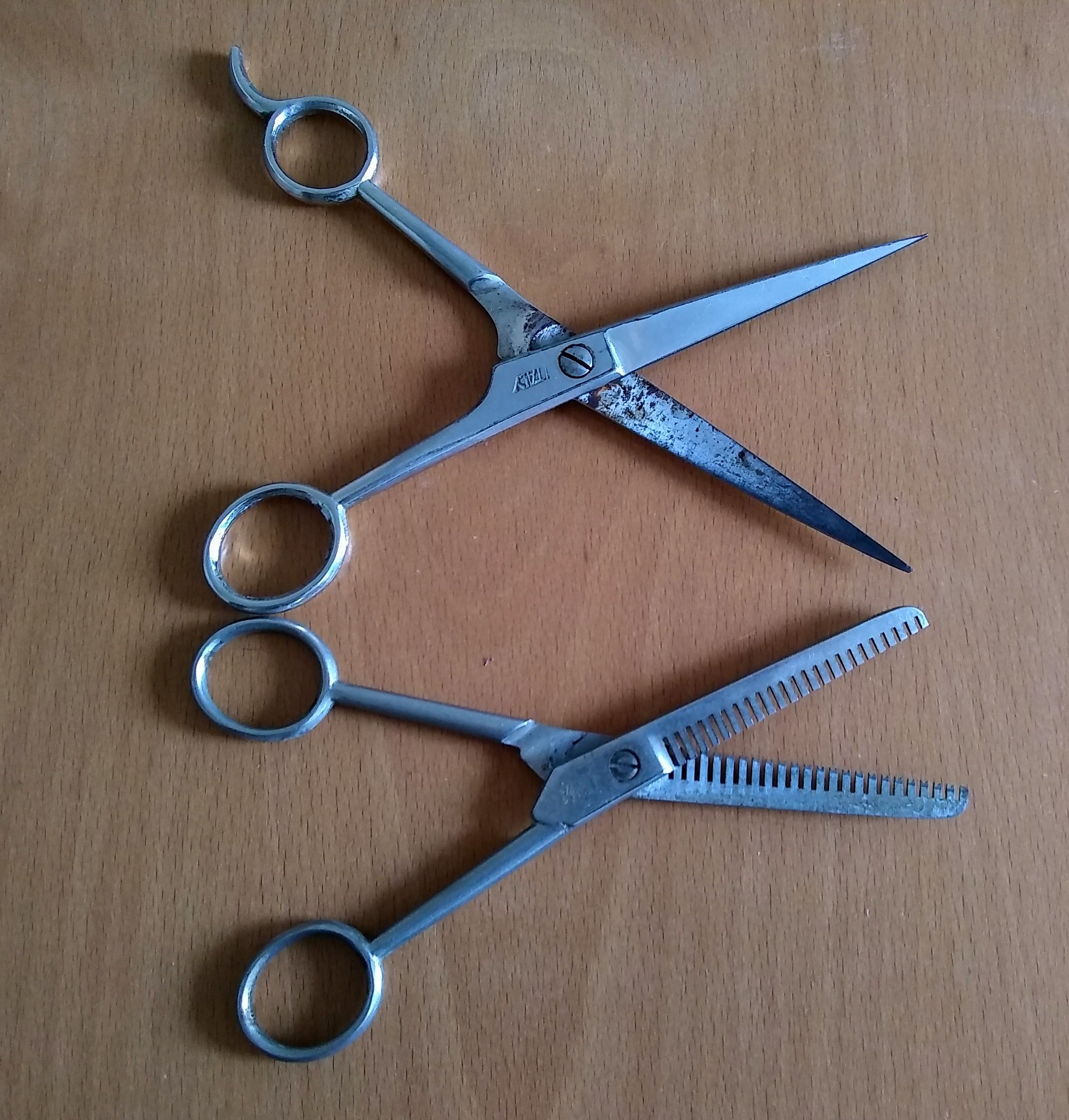
Warwickshire is a county in England; largely rural in the south with industrial towns to the north. Accounts of witchcraft in the region are mainly from the south as folklorists of the time held the view that rural populations were more likely to be superstitious. The village of Long Compton, near the southern tip of Warwickshire’s border with the neighbouring county of Gloucestershire, had a particularly strong reputation for being the abode of witches. It was said: “There are enough witches in Long Compton to draw a waggon load of hay up Long Compton hill” (Bloom, p. 96). The nearby village of Upper Brailes was also believed to have its witches. In the early 20th century, children would make straw crosses and place them outside the door of Nance Austin, an alleged witch, to see if she could get out (Wharton, p. 111). The sign of the cross was used in another method of protection recorded by local folklorists. Scissors would be opened crosswise and placed under the cushion of a chair where a suspected witch was going to sit.
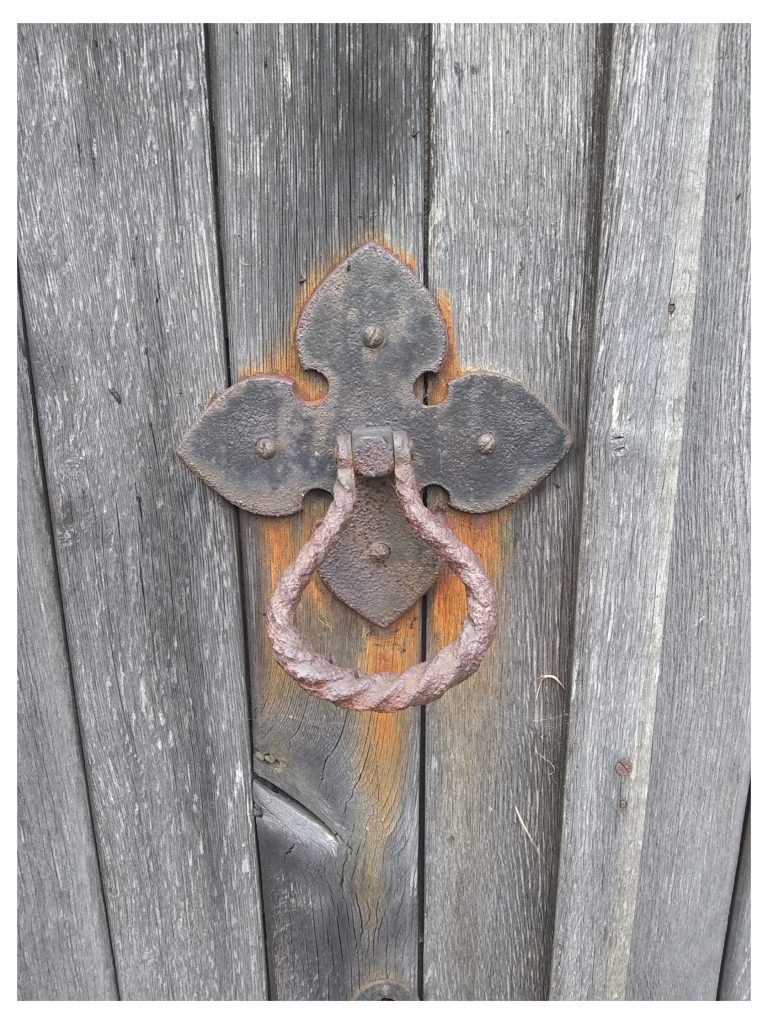
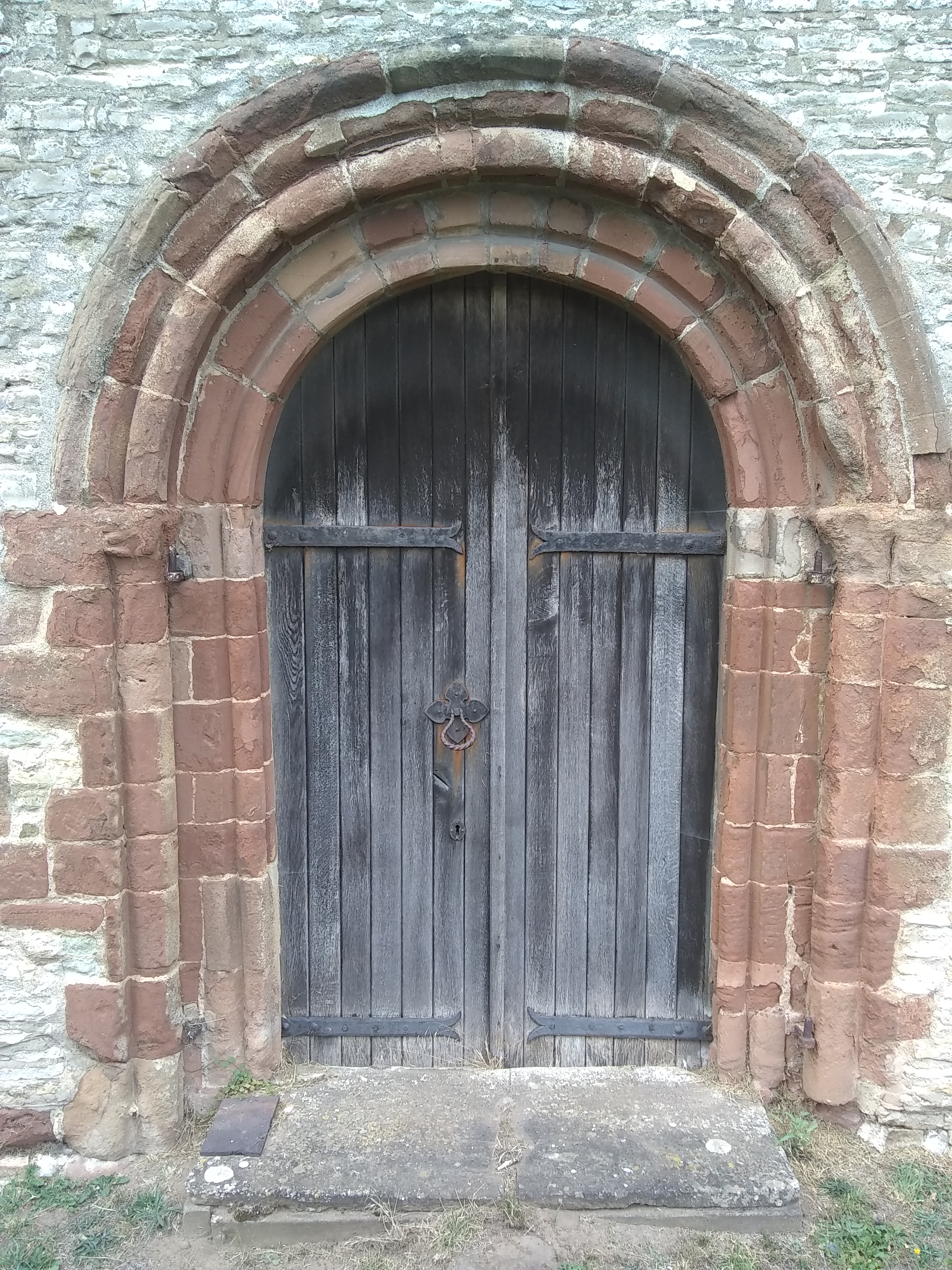
Grabbing hold of a church door handle was also believed to shield a person from witchcraft (Ibid. p.123). The belief may spring from the protective connotations attached to a place of Christian worship. However, as church door handles were often made from iron, it could also be linked to an old belief that iron gave protection from spirits, witches and fairies which was still to be seen countrywide in the old tradition of placing iron horseshoes above doors of dwellings to prevent evil entering.
Although the metal of the pins isn’t specified, they were used by a Warwickshire dairymaid in the 1880s to remove a spell she believed had been put on her herd of cows. To summon the witch who had cast the spell, the dairymaid stuck pins into a cow’s heart and then roasted it in an oven. As the heart cooked, a small creature appeared in the kitchen and began to scratch frantically at the oven door. The dairymaid promptly killed the creature and the spell lifted from her herd.
Silver was another metal used to protect against witchcraft as there was a belief that witches hated silver. Warwickshire folklorists record examples of a silver coin being thrown into butter during the churning process to stop it becoming bewitched (Palmer, p. 87).
Giving a witch what she wanted was another way to protect against witchcraft or remove spells. A farmer who believed a Tredington woman was stopping his beer from brewing and milk from thickening into butter, solved the problem by giving the alleged witch a weekly gift of milk. The issues with his butter and beer then stopped (Bloom, p. 97).
The careful disposal of organic materials associated with the person was also done to prevent bewitchment. Collecting Warwickshire folklore in the 1920s, F.W. Bennett noted that people would burn their nail clippings to prevent bad luck. He thought the superstition had its origins in a belief that witches used a person’s discarded “bodily tissue” to work harmful spells on them (Bennett, p. 89). In a rather unusual case from the early 20th century, a school master burned his own nail parings to aid another man who believed himself to be bewitched. The parings were placed in a stone jar then heated in the oven. Once the parings were hot, the jar was sealed. Apparently this procedure caused the witch such pain that she removed her spell (Bloom, p. 96).
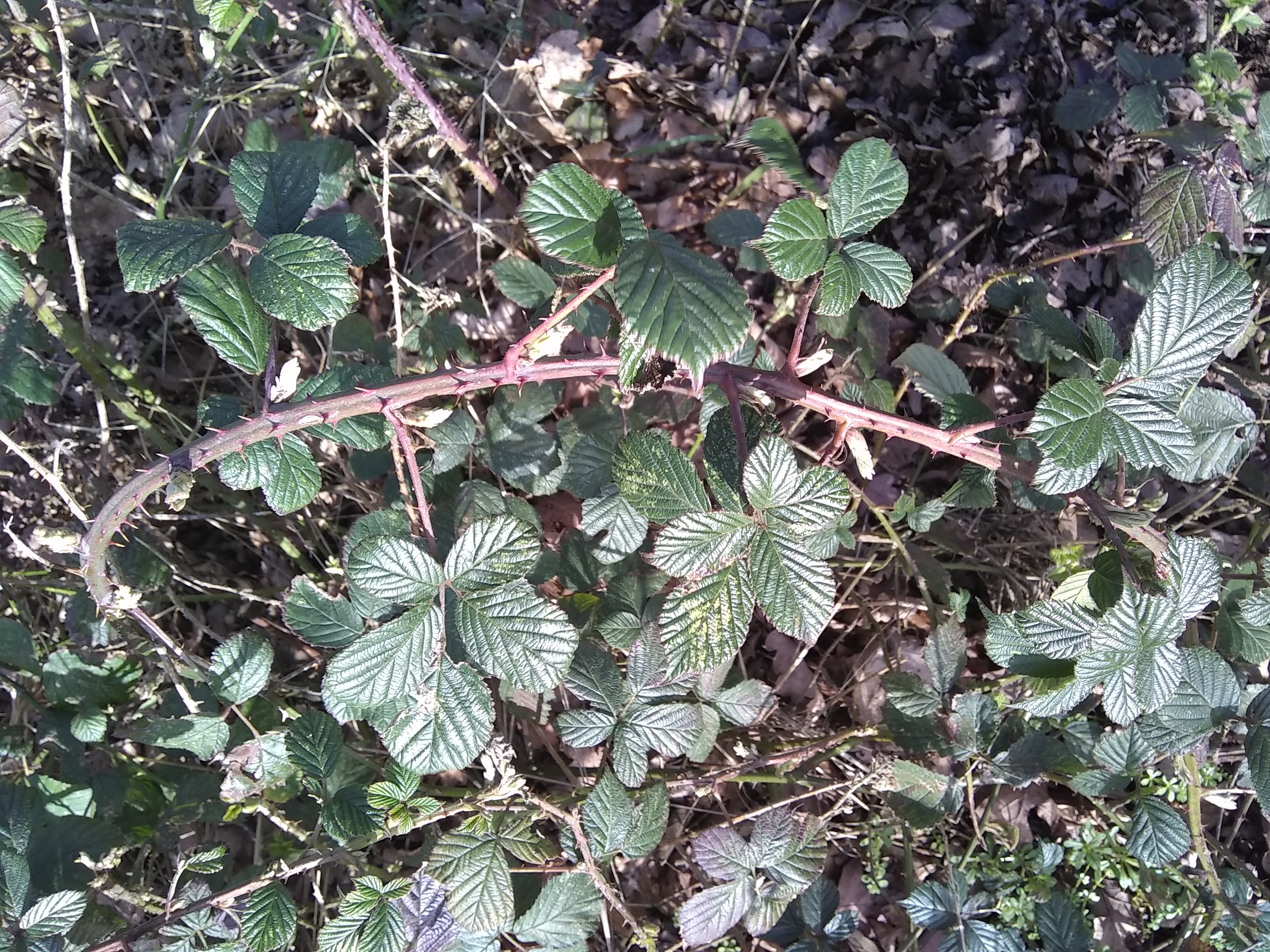
Certain plants and trees were thought to offer protection. For example, a belief that brambles planted near to a house could keep witches and evil spirits at bay was still current in villages in the south of the county in the early 20th century (Wharton, p. 31). People were reluctant to cut down yew trees (Taxus baccata) as they, too, were believed to guard against witches.
Not burning or utilising the wood of the wych elm (Ulmus glabra) was another way to avoid being bewitched. If wych elm wood was used it would cause the witch who inhabited the tree to “come down in vengeance upon those who dare to desecrate her branches” (Morley, p. 142). Since some witches were thought to be able to transform themselves into trees, if a branch of such a tree was cut off and it “bled”, the witch would never be able to return to her human form. Warwickshire historian and author, Mary Dormer Harris cited this belief as still being current in the mid-19th century. (Dormer Harris: p. 63)
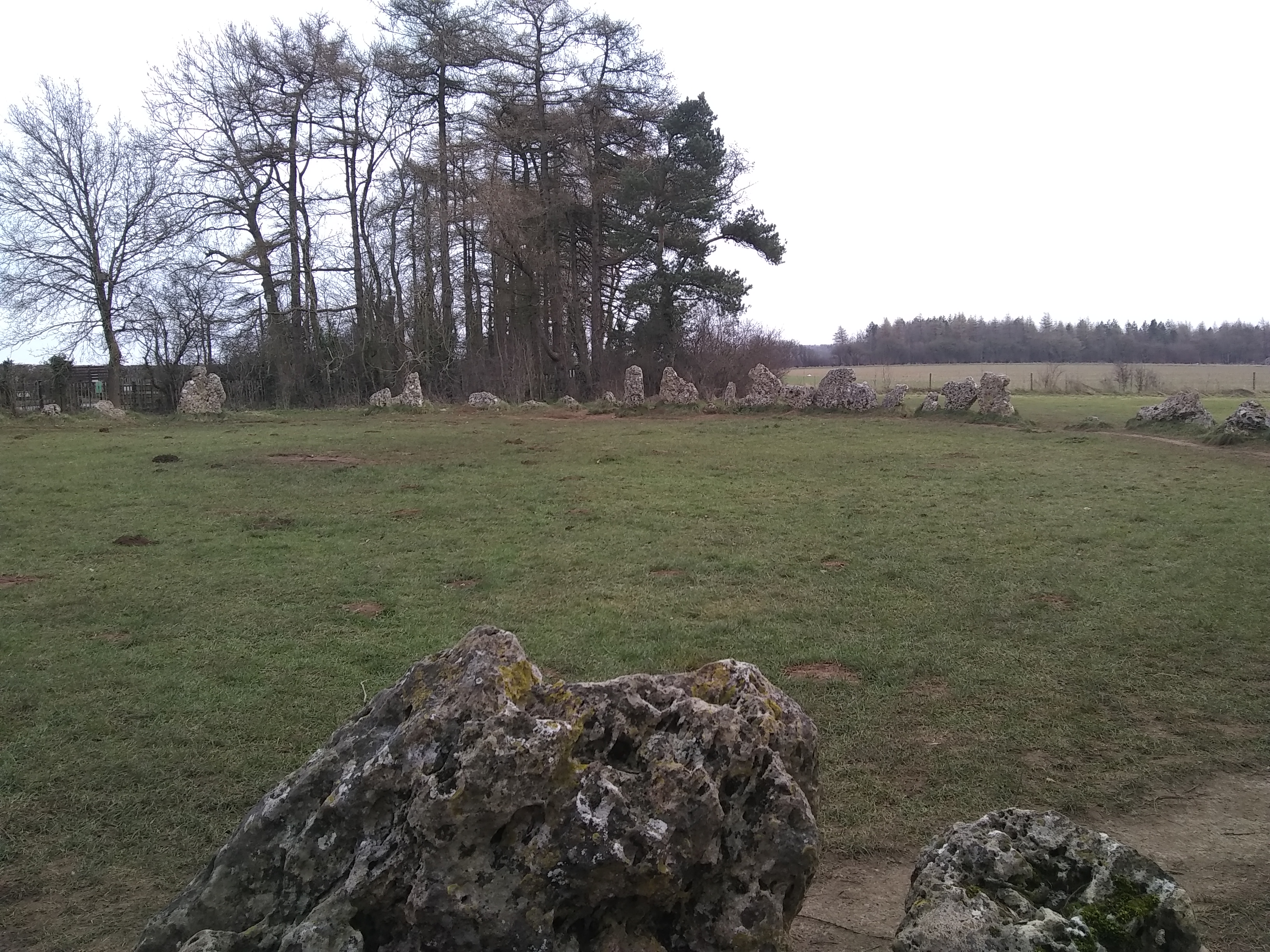
Dormer Harris does not mention what types of tree witches were supposed to turn into but one candidate may possibly have been an elder (Sambucus nigra). Not only did elders have a reputation for being associated with evil, but local belief held that a specific elder tree that had once been a witch was able to bleed. This particular tree grew at the prehistoric Rollrights stone circle complex on the Oxfordshire and Warwickshire border. Legend has it that the megaliths were once a king, his knights and soldiers all turned to stone by a witch who then transformed herself into the elder. When investigating the Rollrights in the late 19th century, British archaeologist Arthur Evans was told by an elderly local informant that if the tree’s bark was pierced when it was in full blossom, it bled thus proving the tree once had been a witch (Evans, p. 20).
The Darker Side of Folk Beliefs
Human blood appears in a darker, more dangerous practice used to prevent bewitchment; that by drawing the blood of a witch, you would render the witch harmless. In Long Compton a mother who suspected a neighbour of causing her daughter’s illness, followed the alleged witch into an alleyway and scratched her arm with a worsted needle to draw blood (Dormer Harris, p. 65).
A not dissimilar case occurred in the village of Tysoe in the mid-19th century. One woman whose reputation as a witch was so feared that people from the neighbouring village of Brailes came to Tysoe in order to cut her hand with a corking pin (pins about 5 to 8 cm long). They believed this would remove the effects of the evil eye she was supposed to have cast upon them (Holland. p. 303).
In 1867 John Davis called in the police to investigate his house in Stratford-upon-Avon as he believed it to be haunted; the ghosts pulling blankets from the beds and throwing family members and a sofa into the air. However, the police found no evidence of anything untoward and took no further action. Despite this, the family were insistent they were haunted, blaming the occurrences on a neighbour, Jane Ward, who they claimed was a witch. A couple of days later, Davis ran into Jane Ward’s house and attacked her cheek with a knife, drawing blood. When arrested, Davis claimed it served Jane right, saying that “She can do no more with me now. I have drawn first blood”. He was subsequently found guilty of wounding Jane and sentenced to 18 months hard labour (Atkins, p. 153).
The belief in the efficacy of drawing the blood of a suspected witch coupled with fears of their alleged powers had a tragic outcome in the case of Ann Tennant from Long Compton. In 1875, 80 year old Ann was murdered by a labourer called James Hayward who claimed she had bewitched him. At his trial Hayward said Ann’s spells had prevented him from working and that by drawing her blood, the power of the witch would cease. He further insisted that there were sixteen others in the parish who deserved similar treatment because “they had brought a good many folks to the churchyard before their time” (Ibid., p. 113). The subject of Hayward’s mental health was raised at his trial and while he was considered fit enough to understand the court proceedings, the police surgeon did not believe that Hayward had the intellectual ability to control his impulses.
In 1735 British law on witchcraft had changed, reflecting the rationalist and scientific approach of Enlightenment thinking. Rather than being regarded as an actual phenomenon, witchcraft was now classed as a fraudulent practice. However, whether it was by using the sign of the cross, by burning nail parings, by gifting the witch milk or by their drawing blood, Warwickshire folklore reveals that over two centuries later the power of the witch to cause illness and ruin livelihoods remained, for some, a very real fear.
Sources
Meg Elizabeth Atkins, Haunted Warwickshire (London: Robert Hale, 1981).
F.W. Bennett, Tiddyoody Pie (Warwickshire, 1930).
J. Harvey Bloom, Folk Lore, Old Customs and Superstitions in Shakespeare’s Land (London: Mitchell Hughes and Clarke, 1929).
Arthur J. Evans, ”The Rollright Stones and Their Folk-lore” in the journal Folklore, vol. 6, no. 1 (Mar., 1895), pp. 6-53.
Roy Palmer Folklore of Warwickshire (revised edn, Stroud; Tempus Publishing Limited, 2004; orig. edn, London: Batsford, 1976).
C.S. Wharton, “The Folklore of South Warwickshire” (unpublished PhD thesis, 1974).
(Publisher’s note: All photos courtesy of the author.)
“Silver, Blood and Scissors: Protection against Witchcraft in an English County” ©2026. Hilary Sparkes and The Renaissance Garden Guy
Hilary Sparkes is a freelance writer and independent scholar with interests in anthropology, folklore and history. She has lived in the county of Warwickshire for most of her life and now posts about its folklore and folk life as The Folklore of Warwickshire on X (@WarksFolklore) and Bluesky (@warksfolklore.bsky.social). She also has a blog, Nature and Supernatural Nature (https://natureandsupernaturalnature.wordpress.com/), based on the work of the American folklorist and anthropologist, Martha Warren Beckwith.


The Renaissance Garden Guy is a participant in the Amazon Associates Program. As an Amazon Associate, The Renaissance Garden Guy earns from qualifying purchases.
Additionally, The Renaissance Garden Guy is a participant in the Bluehost, SeedsNow, and Hosting.com (formerly A2 Hosting) affiliate programs. The Renaissance Garden Guy earns a fee/commission each time a visitor clicks on an ad or banner in this site from one of these companies and makes a subsequent qualifying purchase.
Please click here to view The Renaissance Garden Guy Disclosure page.


Fascinating! It’s interesting to think how these practices parallel beliefs in other parts of the world.
Thanks Lisa. It does seem that witch beliefs are a common feature in so many cultures.
This type of folklore, sadly, can easily be lost. Many thanks for your informative and beautifully written article.
Thank you for your lovely comments.
Interesting article on witchcraft. The beliefs and fears that people hold are fascinating, as are their perceived protections from those fears.
Fascinating reading. As I read the article, I wondered who might be so superstitious as to believe in witchcraft in these modern times. Yet, when I went on my daily walk this morning, I made sure not to step on any sidewalk cracks!
Thanks Kevin. It’s true. The world of the Victorians and Edwardians is so far away but many superstitions are still followed today. I don’t class myself as superstitious but still avoid walking under ladders 🙂
Thanks Scott. Glad you enjoyed reading the article.