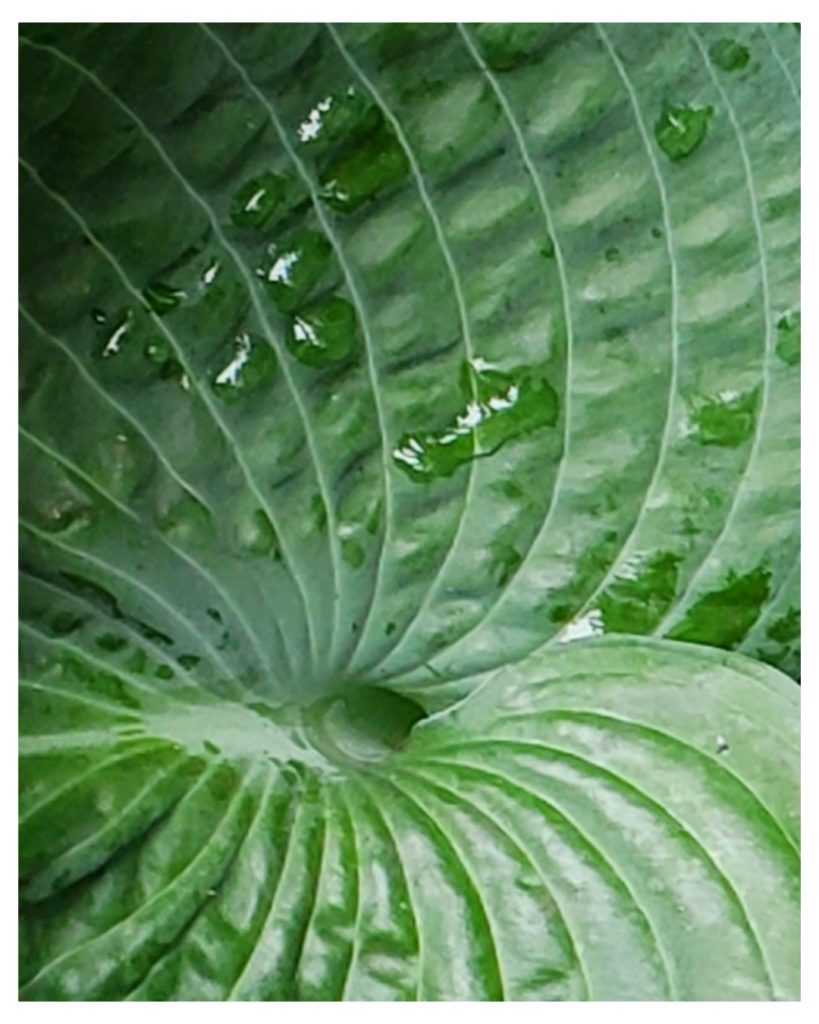

Foliage-intensive Perennials in Hardiness Zone 4A
“Foliage-intensive Perennials in Hardiness Zone 4A” is Part 2 of an 8-part series of short, photo-heavy blurbs about red-blooded, Midwest American garden plants making the jump from their comparatively warm environs to the frosty soils of Western Canada. So, what’s leafy, green(ish), and British Columbian Zone 4-friendly? Since the photo above is a dead giveaway, you probably already know. But check out the pics and read the words below anyway.
By John G. Stamos

Redundancy alert! Since this article is Part 2 of an 8-part series on plants that can be grown in our forthcoming Hardiness Zone 4A garden, and since I’m lazy, I’ve chosen to include the next four paragraphs – exactly as they appear here – as an introduction to all 8 parts of the series. So, if you’ve read the series’ first part (“Climbing Vines in Hardiness Zone 4A”) from its very beginning, you may remember what these next four paragraphs include. So, feel free to blow them off and get right into the article that follows them. Trust me. You won’t hurt my feelings.
J.G.S.
Regular RGG readers and subscribers may know that I’m planning for a move to British Columbia, Canada, where my wife Ann, my pup Holly, and I will make our home. The move itself, and all of its implications, present a number of challenges on a number of different fronts. One of those challenges will be attempting to replicate – or at least approximate – the garden I designed, developed, and currently tend here in Michiana Shores, Indiana, in USDA Hardiness Zone 5B/6A. For the past six years, that garden has dutifully served as a contextual backdrop and unifying theme for this publication. In terms of its make-up, it’s a densely planted amalgam of ornamental perennial trees, bushes, and plants. Some of these trees, bushes, and plants are cultivated, and some are native and wild. Some are deciduous, some are herbaceous, and some are evergreen. All grow beautifully and happily in Zone 5B/6A. Since Ann, Holly, and I love that garden and all the things that grow there, we’d love to try to grow as many of those same things in British Columbia as we possibly can. But the part of British Columbia where we’ll be living is located in USDA Hardiness Zone 4A (where temperatures can plummet to -30° Fahrenheit and lower), so, since a number of the Michiana Shores garden’s denizens are not hardy in zones lower than 5, we’ll need to be selective.
Fortunately, we won’t need to be too selective. And that’s where this feature, which is essentially a pictorial spread peppered with a dash of helpful info, comes in. This article, along with seven others, serves as an 8-part, full-color manual outlining some favorites from our current 5B/6A Michiana Shores garden that will thrive just as beautifully in British Columbia’s more frigid Zone 4A.
In this series of features, you’ll learn which of one particular Midwest Zone 5B/6A garden’s vines and climbers, foliage-intensive perennials, bodacious bushes and trees, early bloomers, power flowerers, lilies and daylilies, spreading and naturalizing groundcovers, and wildflowers and native perennials can make the successful leap to the higher latitudes and lower temperatures of British Columbia’s chilly Zone 4A. For a closer visual inspection of the plants discussed in this article, please be sure to click on their photos below. When you do, you’ll be able to enlarge, minimize, or zoom in or out on them. Pretty handy, no?
Note to readers: Before you set your heart on a particular Zone 4A-capable plant for your own British Columbian garden, I highly recommend a visit to The Invasive Species Council of British Columbia’s excellent website: Click here to plan ahead.

Hostas: The Biggest No-brainer of a Choice for Foliage-intensive Perennials in Hardiness Zone 4A

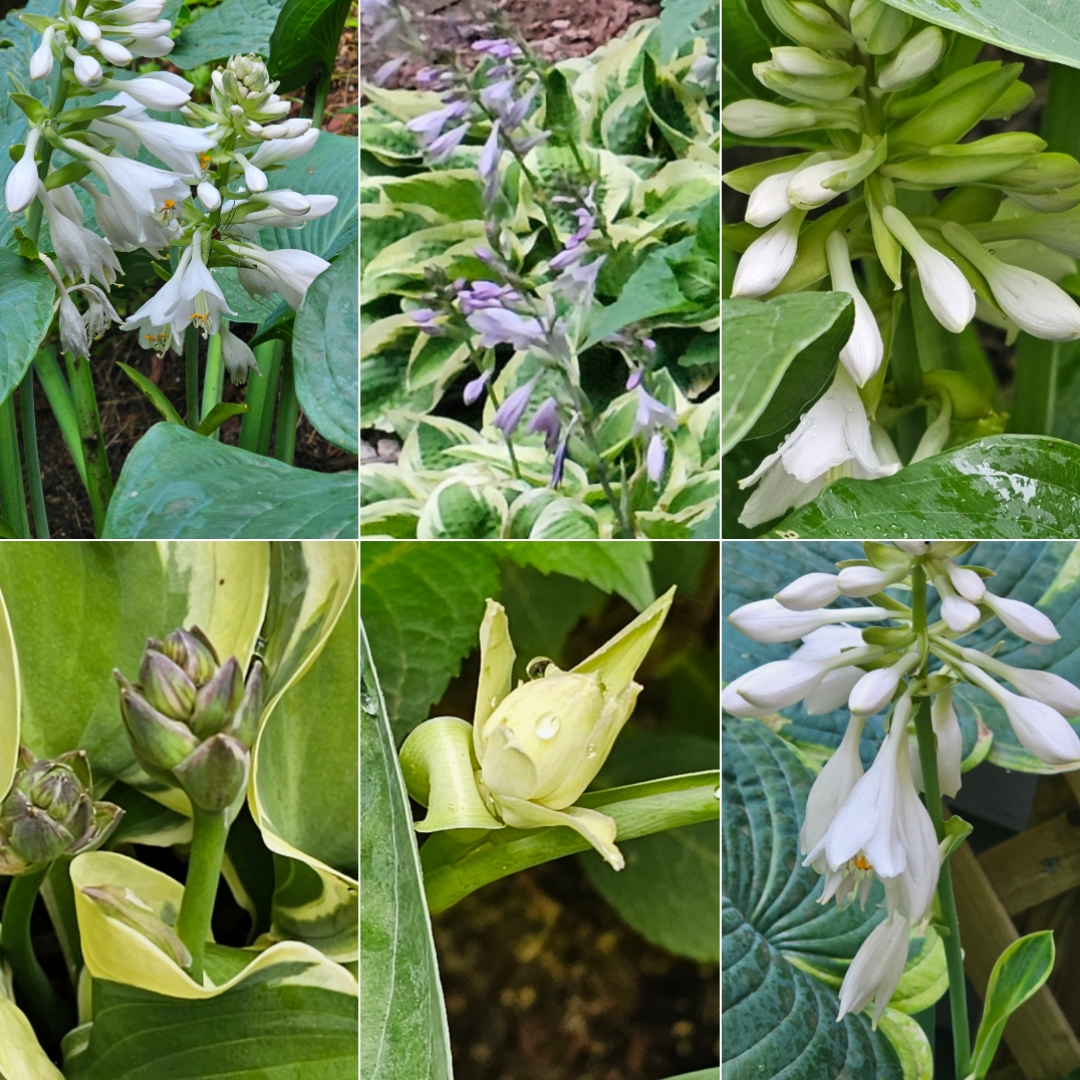
Plants from the genus Hosta, commonly called “Hostas,” or Plantain Lilies, are probably the most ubiquitous, tough, hardy, and beautiful of all shade-loving, ornamental garden “foliage perennials.” There are somewhere around 45 species within the genus, plus a limitless number of subspecies, hybrids, sports, cultivars, varieties, etc. They’re legendarily resilient, regenerative, very long-lived, and diverse, and, although they’re known for being primarily happy in full shade to mostly shady conditions, there are species that happily tolerate partially sunny conditions, and some that even thrive in full sun.
Roots. They’ve got remarkable root systems (mostly rhizomatous, but some species are stoloniferous) that allow them to bounce back after injuries that would destroy other perennials – an entire plant can regenerate from a small section of root: no crown necessary!
Foliage, flowers, and beauty. Their beauty, although remarkable, is sometimes taken for granted and often overlooked. But their critical importance in the design of a zen-style or cottage garden is undeniable. Their prodigious foliage provides shelter (and sometimes food – just ask any deer) for a variety of wildlife, and their underrated flowers are major pollinator magnets.
Variety. We grow somewhere between 15 and 20 different varieties in our Hardiness Zone 5B/6A Midwest American garden, where they grow like beautiful, happy weeds.
Cold-hardiness. But, can we grow them in Westen Canada? Is their leafy beauty tough enough for some of the coldest parts of British Columbia? Are they the perfect green go-tos as foliage-intensive perennials in Hardiness Zone 4A? Yes, yes, and yes. They’re winter-hardy all the way down to Zone 3.
Look, boys and girls, this piece – Part 2 of the 8-parter – is mostly a pictorial with some basic Hosta info and a ringing endorsement as a wide-ranging, highly adaptable, Zone 4 ornamental garden shoo-in. If you want the full-on lowdown on Hostas – their physiology, taxonomy, history, and impressive garden design application – click here to read my 2022 article, “Green Up Your Garden with Hostas!” There’s some pretty decent info there, along with a ton of great pics. And, for a live-action experience, click here to get to “The Hostas and More May Tour.” In it, there’s a link to an RGG YouTube Channel vid, starring (unfortunately) yours truly, that you can click to take a short walkaround.
In the meantime, it’s pics (with captions) of soon-to-be Zone 4A Canadian Hostas that happen to currently grow in our Zone 5B/6A Midwest garden. Here you go…





Deer Out Deer Repellent. Deer love to eat Hosta foliage. Plain and simple. If your Hostas aren’t protected by a fence, you can bet they’ll be a prime salad bar pick if you’ve got deer lurking nearby. Deer Out spray-on deer repellent has proven to be 100% effective at keeping deer from feasting on my exposed ornamental plants. Its peppermint-like scent is abhorrent to deer, but entirely tolerable to people, and its formulation ensures its preventative effects are extremely long-lasting. The product comes in ready-to-use or concentrated solutions, and can be applied during any season. Want to protect your foliage-intensive perennials in Hardiness Zone 4A (especially Hostas) from deer? Here’s your stuff. To learn more about this excellent product, or to order it here, directly from Amazon, please click the #advertisement link.

Siberian Bugloss (Brunnera macrophylla): Grow This Foliage-intensive Perennial in Hardiness Zone 4A!
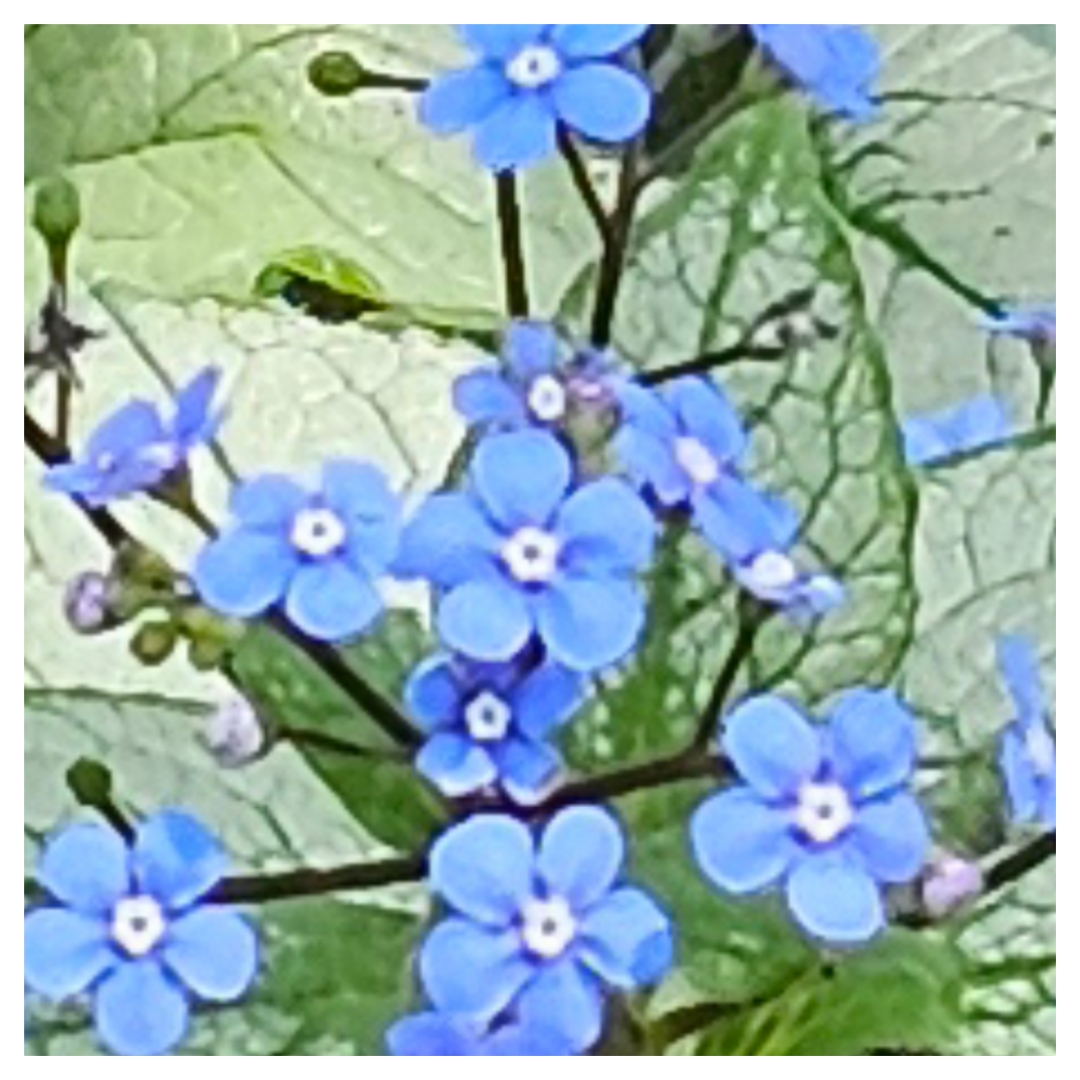
Listen, sports fans, Siberian bugloss (Brunnera macrophylla), also known as False forget-me-not, Heartleaf Brunnera, or, sometimes, simply “Brunnera,” is one of the absolute best foliage-intensive perennials you can grow in Hardiness Zone 4A. We’ve got a few different cultivars growing in our 5B/6A Michiana Shores garden that we’ll also be growing in BC’s Zone 4A, and I just can’t say enough about their beauty and prowess as “foliage plants.” Real fast, let me tell you what I know:
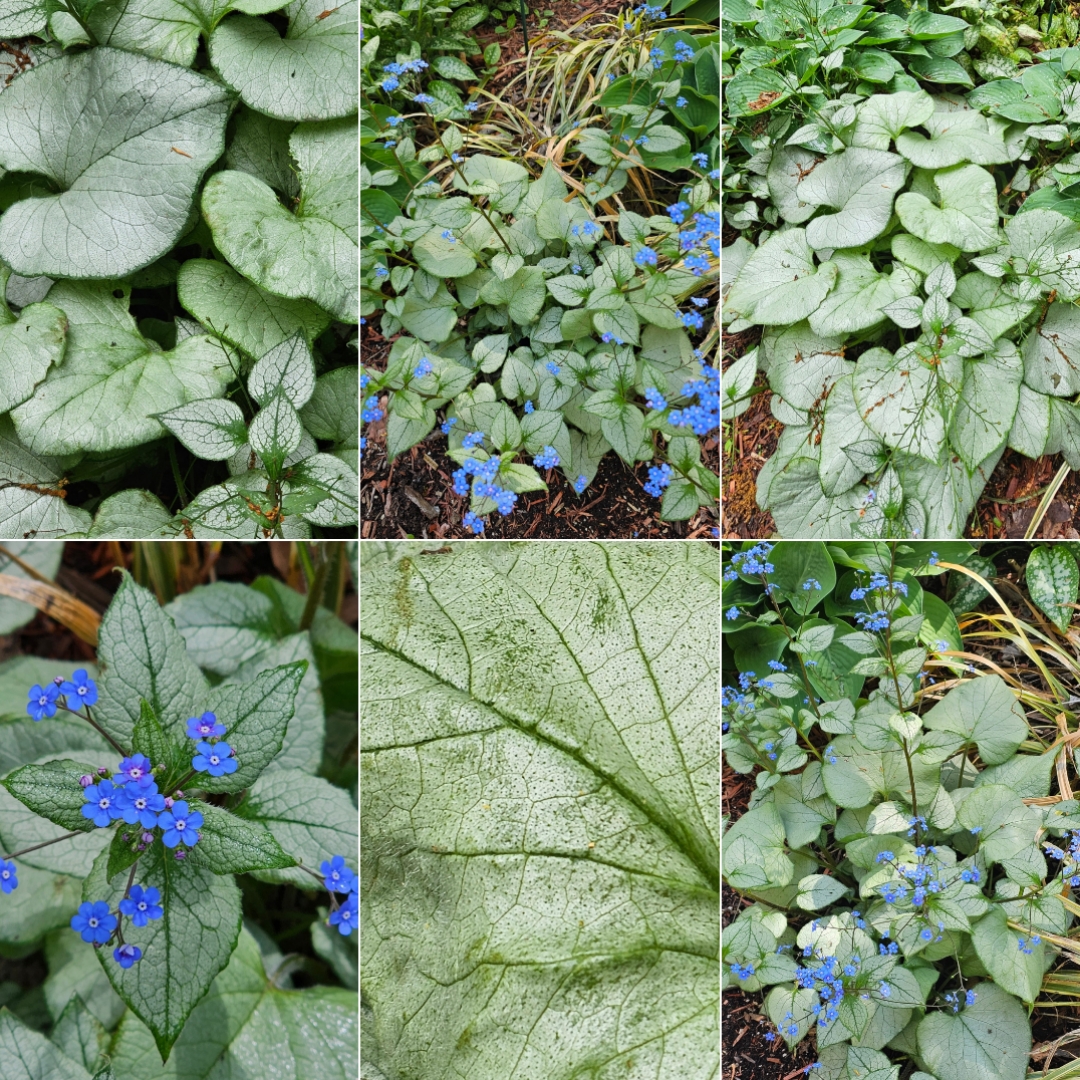
Taxonomy: Brunnera, as a genus, features three accepted species, of which macrophylla is the most popular among growers of ornamental, cultivated gardens. There are countless numbers of cultivars/varieties within macrophylla, all of which are known for their massive, hairy, bristly, often silvery and green-veined, heart-shaped leaves.
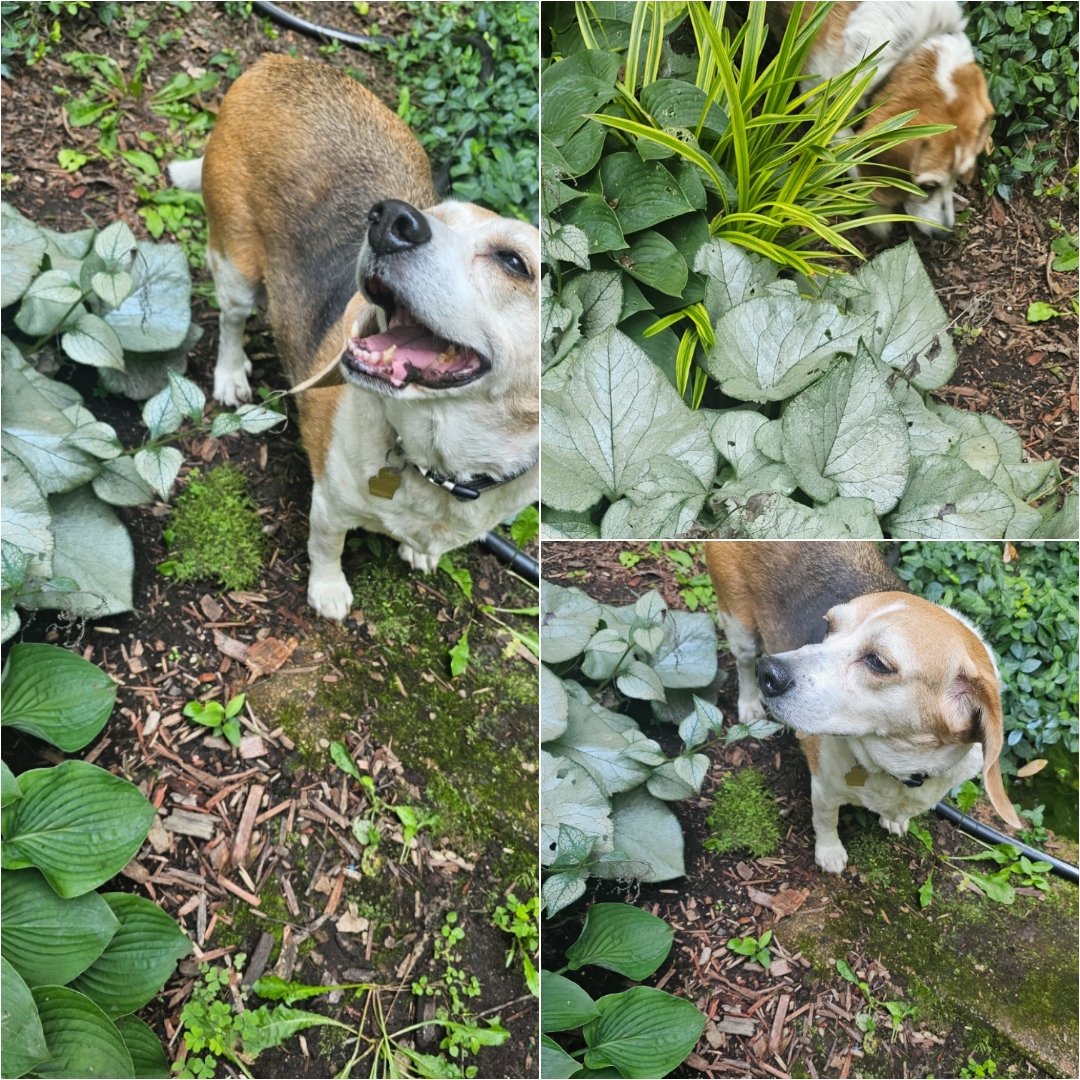
Garden design value. Nothing looks cooler lining pathways and growing with Hostas (and a huge number of other shade-loving companion plants) than those huge, silvery Siberian bugloss leaves. Like Hostas, they add texture and depth to a garden, and offer shelter for any number of garden residents, including toads and frogs. But unlike Hostas, those Siberian bugloss leaves, which are also hairy and bristly, are deer-resistant. And they’ll beautify and benefit your garden for a long time – their average life expectancy is at least 10 years.
Size. 12″- 18″ in height, and 18″ to nearly 36″ in spread, depending on the cultivar. All of ours (they’re all of different variety) grow to a bit over a foot in height and are over two feet in spread when they’re fully leafed out.
Roots. They’re rhizomatous and clump-forming. Every three or four years, you may want to divide yours. And, outside of watering them and keeping their soil most, that’s about the only maintenance Brunnera macrophylla plants require.
Sunlight. As referenced, these plants are shade-lovers. They will, however, survive in partially sunny or even mostly sunny conditions, as long as they’re watered frequently. I planted one of ours in full sun, and it went dormant in the hotter part of the summer. After I dug it up and moved it to a shady spot, it came back better than ever the following spring.
Flowers. They’re tiny and 5-petaled, there are a lot of them, they appear for a few weeks in early to mid spring, and they’re bright blue. They look beautiful against the backdrop of the plant’s remarkable foliage.
Hardiness. Last but not least, where can Brunnera macrophylla grow? You can obviously grow these lovely foliage-intensive perennials in Hardiness Zone 4A and Hardiness Zone 5B/6A, but where else will they be happy? Since they’re hardy in Zones 3A through 8B, quite a few places, actually. Before long, Brunnera macrophylla will be growing great for us in 4A. And, if you also happen to live in this chilly zone, and you decide to pick up a few of these amazing perennials for your own garden, they’ll be growing great for you, too.
Run, Don’t Walk, to Your Zone 4A Nursery and Get Yourself Some Hostas and Siberian Bugloss!
We definitely will. I can’t wait to start growing these guys in Western Canada. They’re obviously hardy enough to handle the cold, and they’ll beautify the hell out of any planting feature they end up in. The verdant effect on an ornamental garden’s design of those big, badass, textured leaves is undeniable and striking. So, in terms of our top choice for foliage-intensive perennials in Hardiness Zone 4A, Hostas and Siberian bugloss lead the pack. And it won’t be long before they’re beautifying the hell out of the planting features in our own British Columbian garden.
Finally, girls and boys, remember to keep it right here for Part 3 in this 8-part series, “Bodacious Bushes and Trees in Hardiness Zone 4A.” It’s coming soon.
Cheers, and Happy Gardening!
John Stamos is a writer and is co-publisher of The Renaissance Garden Guy. His work has appeared in a number of publications including, most recently, A Man for Some Seasons, Splice Today, and, of course, The Renaissance Garden Guy. He is married to his multitalented sweetheart, the mycologist and writer Ann Simpson-Stamos.


The Renaissance Garden Guy is a participant in the Amazon Associates Program. As an Amazon Associate, The Renaissance Garden Guy earns from qualifying purchases.
Additionally, The Renaissance Garden Guy is a participant in the Bluehost, SeedsNow, and Hosting.com (formerly A2 Hosting) affiliate programs. The Renaissance Garden Guy earns a fee/commission each time a visitor clicks on an ad or banner in this site from one of these companies and makes a subsequent qualifying purchase.
Please click here to view The Renaissance Garden Guy Disclosure page.




I love hostas and Brunneras. They are wonderful additions to any garden and I’m glad they’ll be part of yours. Good luck with your new garden.
Thank you, Kevin. As you point out, Hostas and Brunnera are remarkable. Their foliage definitely helps create a powerful vibe in a garden, and they are excellent additions in the development of a garden ecosystem. They’re wonderful plants! Thanks again, Kevin.
So glad Hostas will be in your new garden. I know you enjoyed your collection in Michiana Shores. What an incredible opportunity, from a gardening/gardeners point of view, to learn and experiment with new plants. A new location.
I have not grown Bugloss. It is very pretty.
Lane
“Onward and Upward in the Garden” ~ Katherine White
Thanks for reading this one, Lane. It’s much appreciated. I agree with you on all counts (and I embrace the spirit of the quote by Katherine White!). Hostas are SO important to the look and feel – and ecosystem – of the garden we’d like to create in BC. They’ve been real stalwarts here in Michiana Shores, and should be in BC, as well. The bugloss is also really beautiful and fairly long-lived as a Hosta companion planting for a shady spot. And deer seem to never touch bugloss. I’ve got a few individuals growing in a deer traffic area beyond my fence, and they’ve remained intact without the need for any deer repellent applications. I recommend it as a foliage-heavy shade-lover. Thanks again, Lane.
Wonderful piece, John! Really loved seeing all the beautiful Hostas that one could have in our Hardiness Zone.
I’m happy you liked it, Jo. Thank you for reading it, and thank you for the kind words. Hostas really are amazing. Their variety and hardiness are remarkable, and that lush foliage does so much for the appearance of an outdoor space. In Bridge Lake, they’d look beautiful! They’d handle the weather fine just fine, but I think the deer might be another story! Thanks once again, Jo!
Very enjoyable to see all the photos to go with your expert descriptions, John. I learn so much from these pieces!
Thank you for the kind words, Lisa, and for reading the piece. And I’m very glad to hear that you liked the photos. I think that, in the case of these types of plants (and, really, so many others), the pics do a much better job of getting the information across than words ever can. I’m so glad you found this one to be informative. Thanks once again, Lisa.