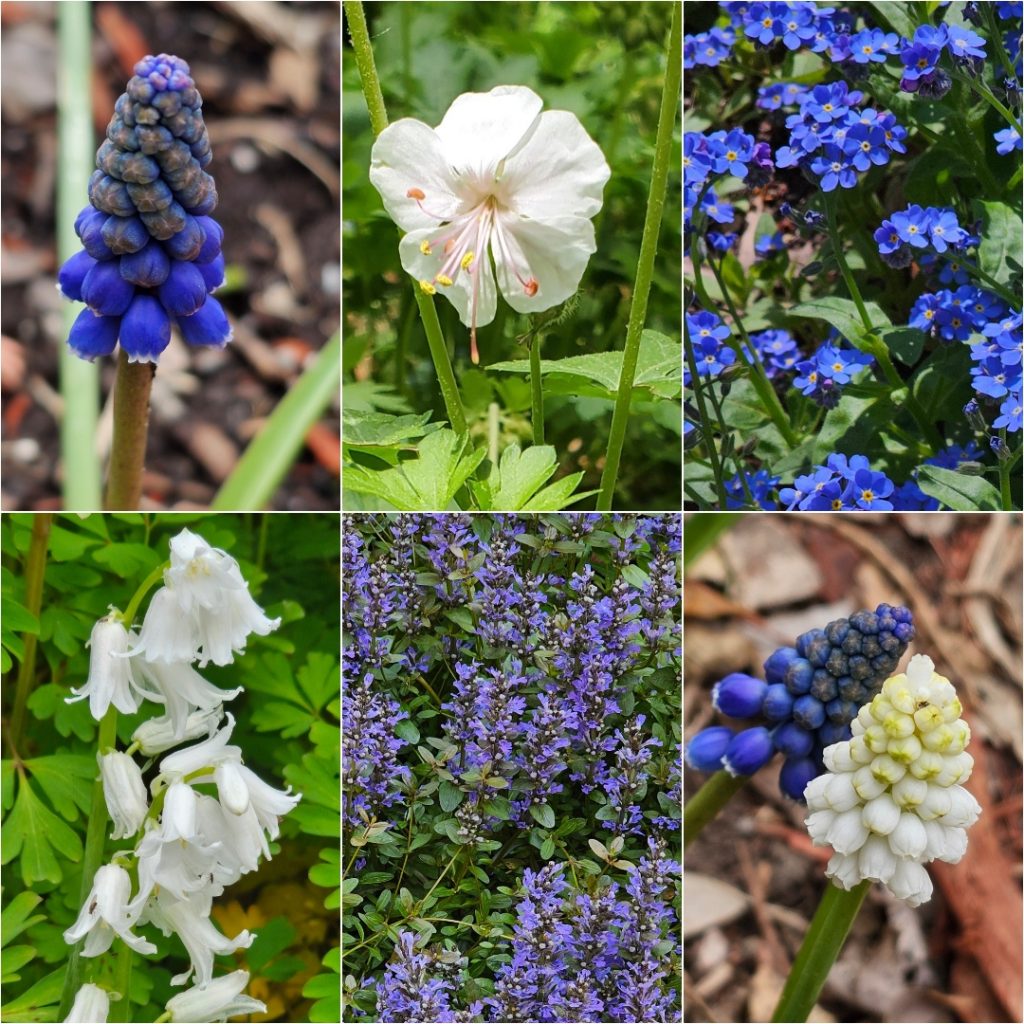

Spreading and Naturalizing Groundcovers in Hardiness Zone 4A
Spreading and naturalizing groundcovers in Hardiness Zone 4A is the story today. These five grow just as beautifully in frosty Western Canada as they do here in the Midwest.
By John G. Stamos

Redundancy alert! Since this article is Part 7 of an 8-part series on plants that can be grown in our forthcoming Hardiness Zone 4A garden, and since I’m lazy, I’ve chosen to include the next four paragraphs – almost exactly as they appear here – as an introduction to all 8 parts of the series. So, if you’ve read the series’ first part (“Climbing Vines in Hardiness Zone 4A”) from its very beginning, you may remember what these next four paragraphs include. So, feel free to blow them off and get right into the article that follows them. Trust me. You won’t hurt my feelings.
J.G.S.
Regular RGG readers and subscribers may know that I’m planning for a move to British Columbia, Canada, where my wife Ann, my pup Holly, and I will make our home. The move itself, and all of its implications, present a number of challenges on a number of different fronts. One of those challenges will be attempting to replicate – or at least approximate – the garden I designed, developed, and tended here in Michiana Shores, Indiana, in USDA Hardiness Zone 5B/6A. For the past six years, that garden dutifully served as a contextual backdrop and unifying theme for this publication. In terms of its make-up, it’s a densely planted amalgam of ornamental perennial trees, bushes, and plants. Some of these trees, bushes, and plants are cultivated, and some are native and wild. Some are deciduous, some are herbaceous, and some are evergreen. All grow beautifully and happily in Zone 5B/6A. Since Ann, Holly, and I loved that garden and all the things that grew there, we’d love to try to grow as many of those same things in British Columbia as we possibly can. But the part of British Columbia where we’ll be living is located in USDA Hardiness Zone 4A (where temperatures can plummet to -30° Fahrenheit and lower), so, since a number of the Michiana Shores garden’s denizens are not hardy in zones lower than 5, we’ll need to be selective.
Fortunately, we won’t need to be too selective. And that’s where this feature, which is essentially a pictorial spread peppered with a dash of helpful info, comes in. This article, along with seven others, serves as an 8-part, full-color manual outlining some favorites from our former 5B/6A Michiana Shores garden that will thrive just as beautifully in British Columbia’s more frigid Zone 4A.
In this series of features, you’ll learn which of one particular Midwest Zone 5B/6A garden’s vines and climbers, foliage-intensive perennials, bodacious bushes and trees, early bloomers, power flowerers, lilies and daylilies, spreading and naturalizing groundcovers, and wildflowers and native perennials can make the successful leap to the higher latitudes and lower temperatures of British Columbia’s chilly Zone 4A. For a closer visual inspection of the plants discussed in this article, please be sure to click on their photos below. When you do, you’ll be able to enlarge, minimize, or zoom in or out on them. Pretty handy, no?
Note to readers: Before you set your heart on a particular Zone 4A-capable plant for your own British Columbian garden, I highly recommend a visit to The Invasive Species Council of British Columbia’s excellent website: Click here to plan ahead.
Smiling Faces at Ankle-biting Level in Warmth or Cold: Spreading and Naturalizing Groundcovers in Hardiness Zone 4A
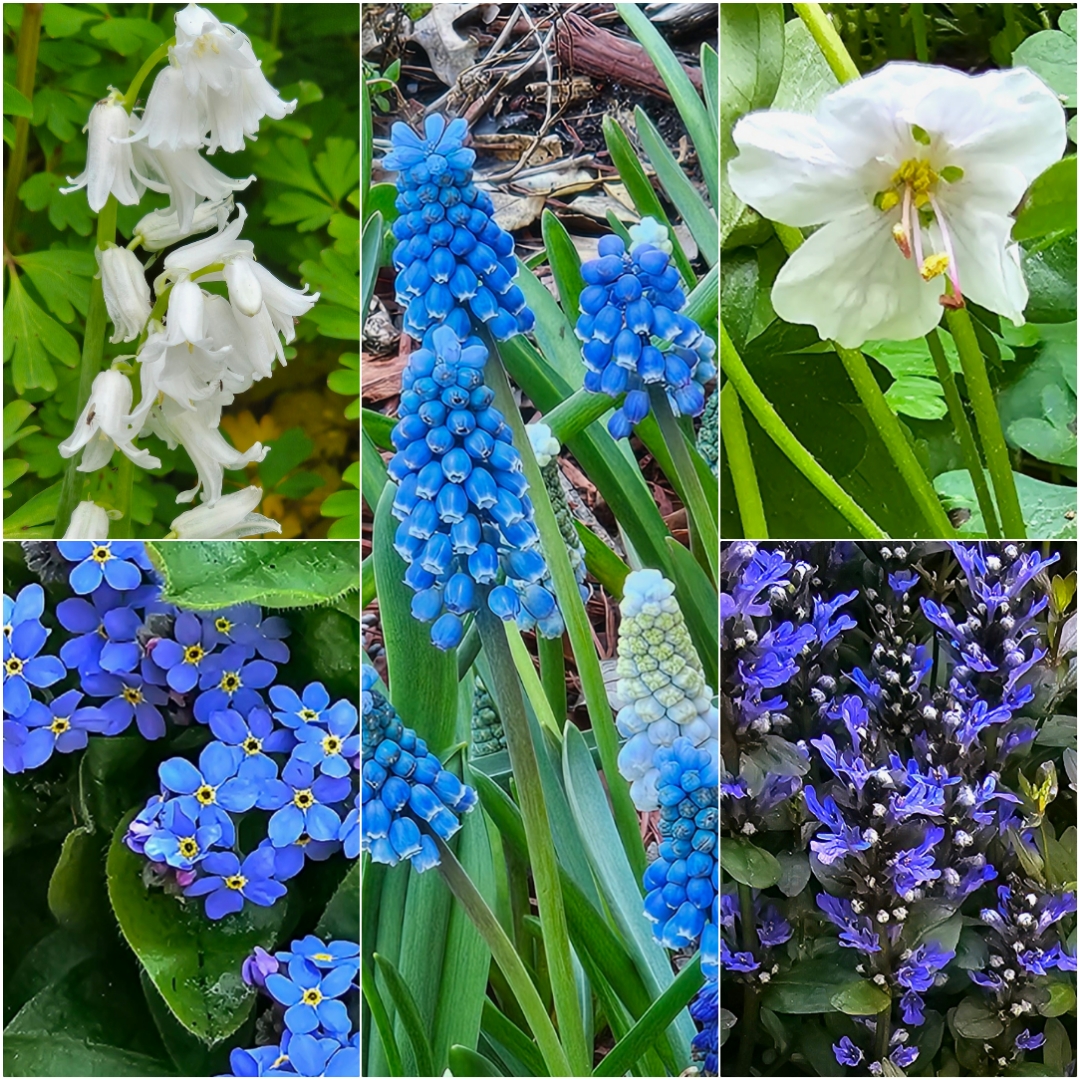
As advertised, Part 7 of this 8-parter is about growing five different spreading and naturalizing groundcovers in Hardiness Zone 4A in British Columbia, Canada. We (my wife Ann and I) loved all five when they were growing in the former RGG Michiana Shores 5B/6A garden, and we’re going to continue to love them when they’re growing in the new RGG garden in BC’s Hardiness Zone 4A Cariboo Region. Each is uniquely and stunningly beautiful, they’re all extremely cold-hardy, and they steadily spread out to cover bare ground and beautify the hell out of it. Every ornamental perennial garden benefits ecologically, biologically, and aesthetically when it features a healthy population of groundcover plants. All five kinds reviewed in this article are among the very best you can grow when it comes to hitting each of those marks.
From here on out it’s mostly photos. But the info that is here is good, and there are links – including a few to other RGG articles – that you can follow if you want even more info. So hold onto your hats, kiddos, because here are our five top picks for spreading and naturalizing perennials in Hardiness Zone 4A.

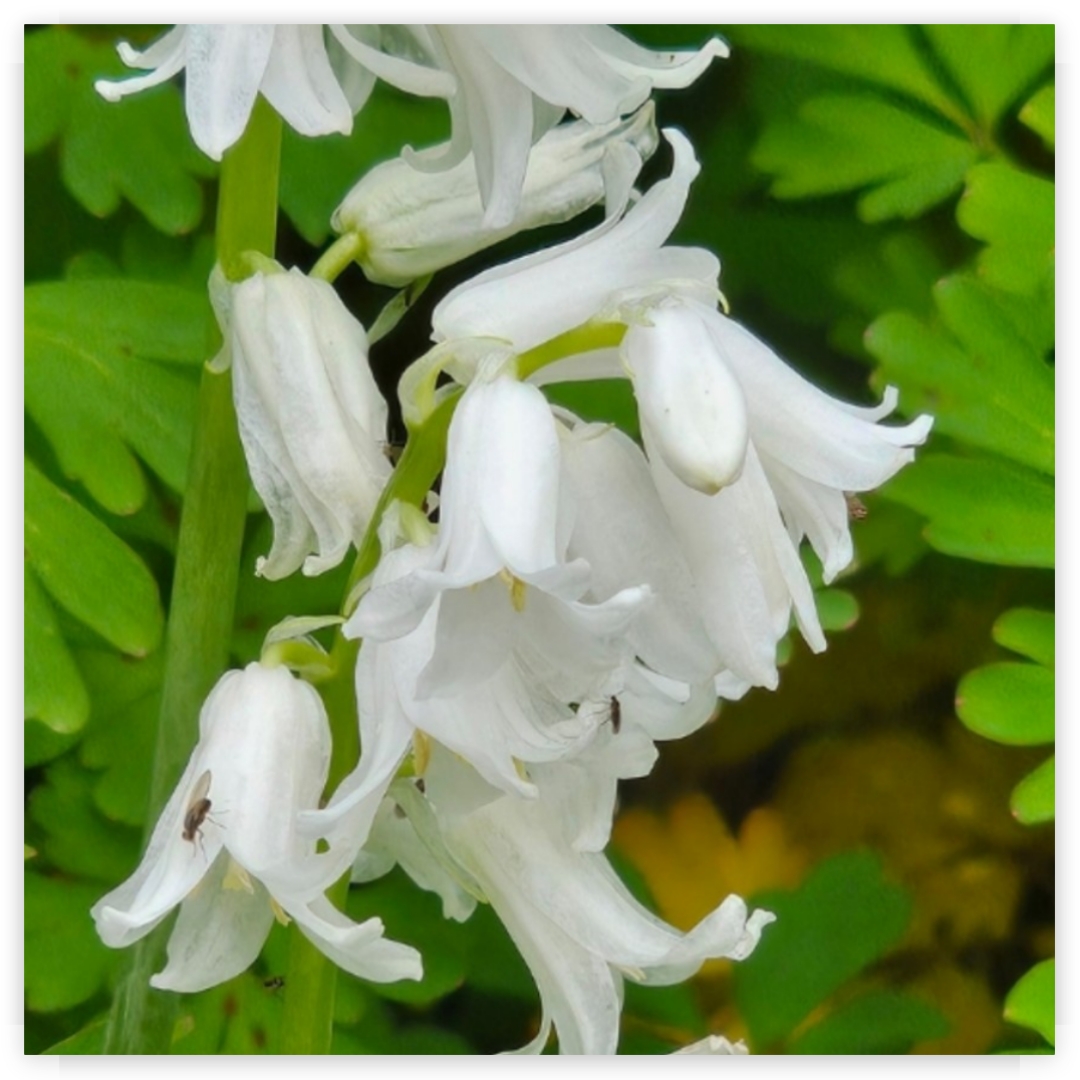
1. Spanish Whitebells (Hyacinthoides hispanica ‘Alba’): A Perennial Spreading Carpet of Pristine White Bells and Glossy Green Leaves
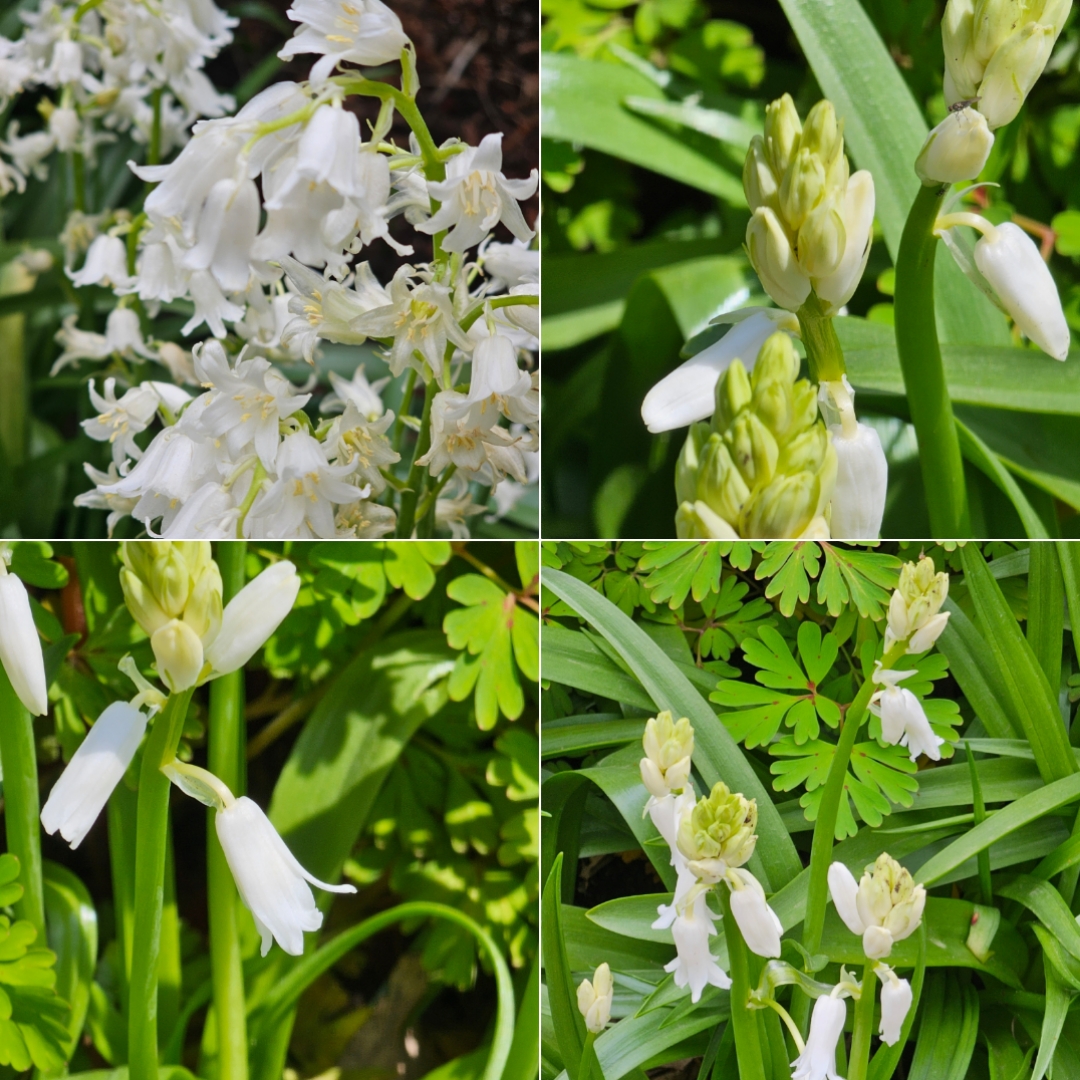
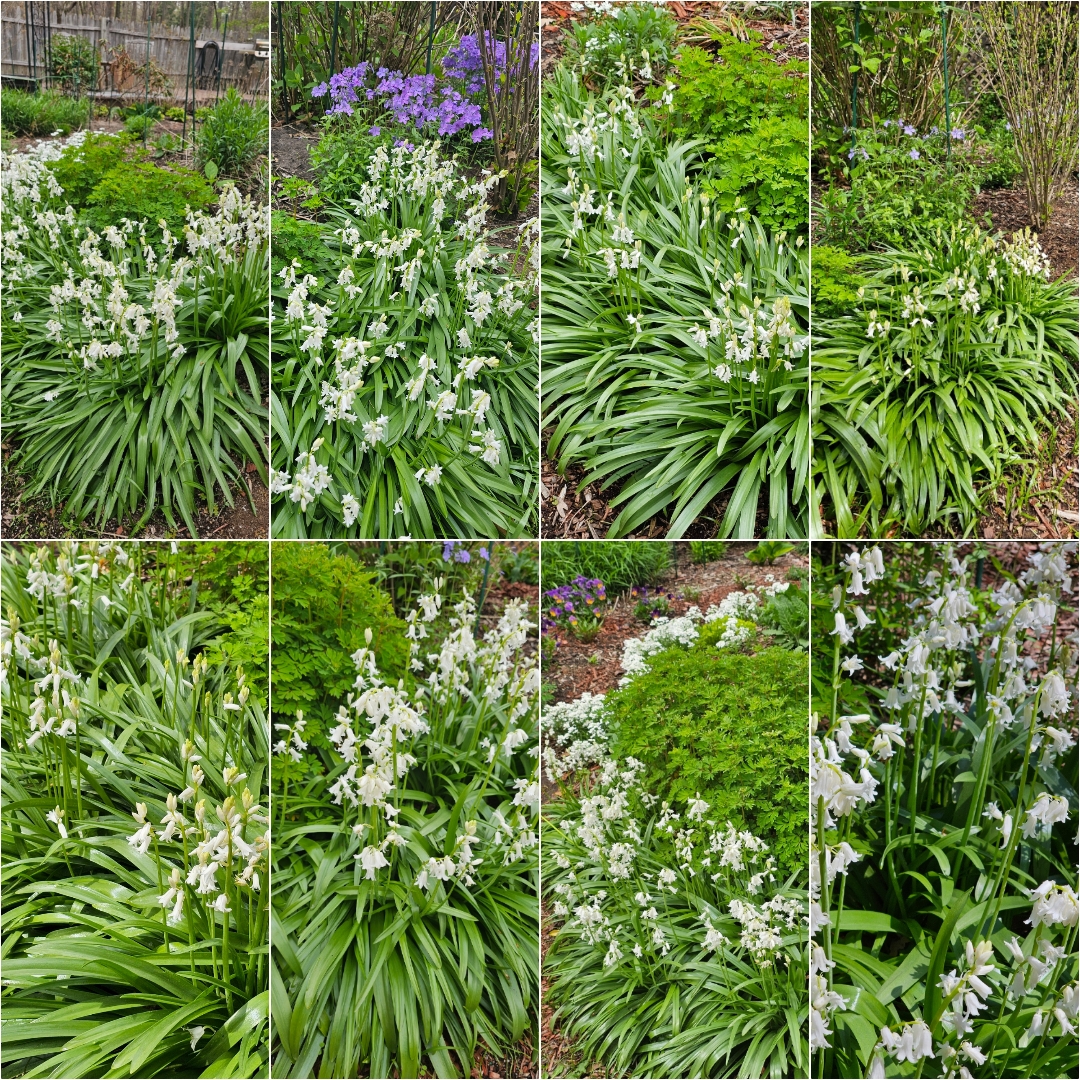
You know, I’m probably going to say this about all of the plants on this list, but in any case, here goes: Spanish Whitebells (Hyacinthoides hispanica ‘Alba’) are probably the most beautiful little perennial groundcover plants you’ll ever find in an ornamental perennial garden. Their pristine, bright white “bells,” rising above their masses of glossy deep green foilage on comparatively tall scapes (stems). The bells, grouped in comparatively large number in racemes, command attention and dazzle the eye. And when these plants naturalize and spread en masse, the effect is spectacular.
Spanish Whitebells are a naturalized as well as a cultivated mutation of the more common Spanish Bluebells. They’re native to the Iberian Peninsula but have been introduced to countries all around the world (including the U.S. and Canada), where they persist in both cultivated and naturalized form. They’re prolific and highly successful naturalizers that spread by bulb offsets and robust self-sowing. Though they are successful naturalizers and will spread inexorably, they’re not nearly as aggressive at doing so as some of the other plants on this list.
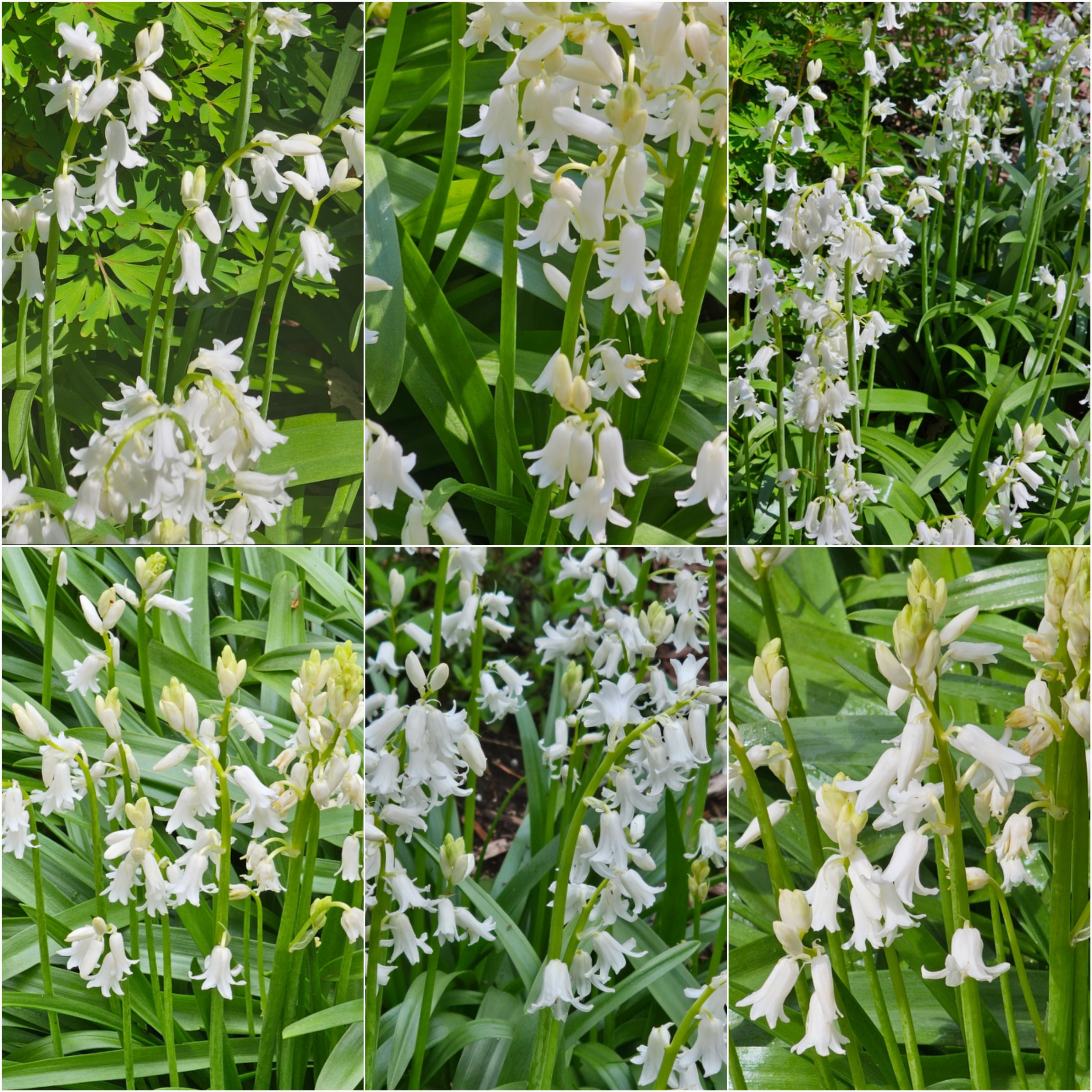
The glorious little white bells of our Spanish Whitebells (Hyacinthoides hispanica ‘Alba’) appear striking against its forest of glossy green foliage.
Blooms. Bright white, pristine bell-shaped flowers on upright racemes (ours grow to well over a foot in height) with as many as 16 or more flowers per stem. Although ours have no detectable fragrance, they are attractive to bees and butterflies.
Bloom time. Usually mid spring through later spring in 5B/6A.
Sunlight. Full sun to mostly shade.
Hardiness. Zones 3A through 8B.
Roots. Spanish Whitebells are bulb plants. Their roots descend from the bottom of each bulb. They spread by bulb offsets and by self-sowing.
Soil. Soil composition and pH are not hugely important as long as it’s well-draining. Our colony of Spanish Whitebells covered a patch of ground where the soil pH ranged from slightly alkaline to slightly acidic. But again, the soil must be well-draining.
Foliage. Basal, glossy deep green, strap-like, and herbaceous; emerging directly from the bulb.
Toxicity. All parts of the Spanish Whitebells plant are extremely toxic to all mammals, including humans and pets. This dubious trait also makes them naturally resistant to would-be deer and rodent assailants.
There’s no denying that Spanish Whitebells are remarkable little perennial plants. As their pure white, pristine little bells float on waving stems above their verdant clumps of stem-less leaves, they enchant any and all who come upon them. Their ability to cover the ground with brilliantine beauty in steady but non-aggressive fashion combined with their remarkable resistance to mammalian pests and cold weather ensures that they sit at the top of our list of favorite spreading and naturalizing groundcovers in Hardiness Zone 4A.
(Feel free to read more about this beautiful and hardy little groundcover plant in “5 Great Bulbs for Fall Planting”.)

2. Grape Hyacinth (Muscari): This Champion Perennial Groundcover Is Neither Grape nor Hyacinth
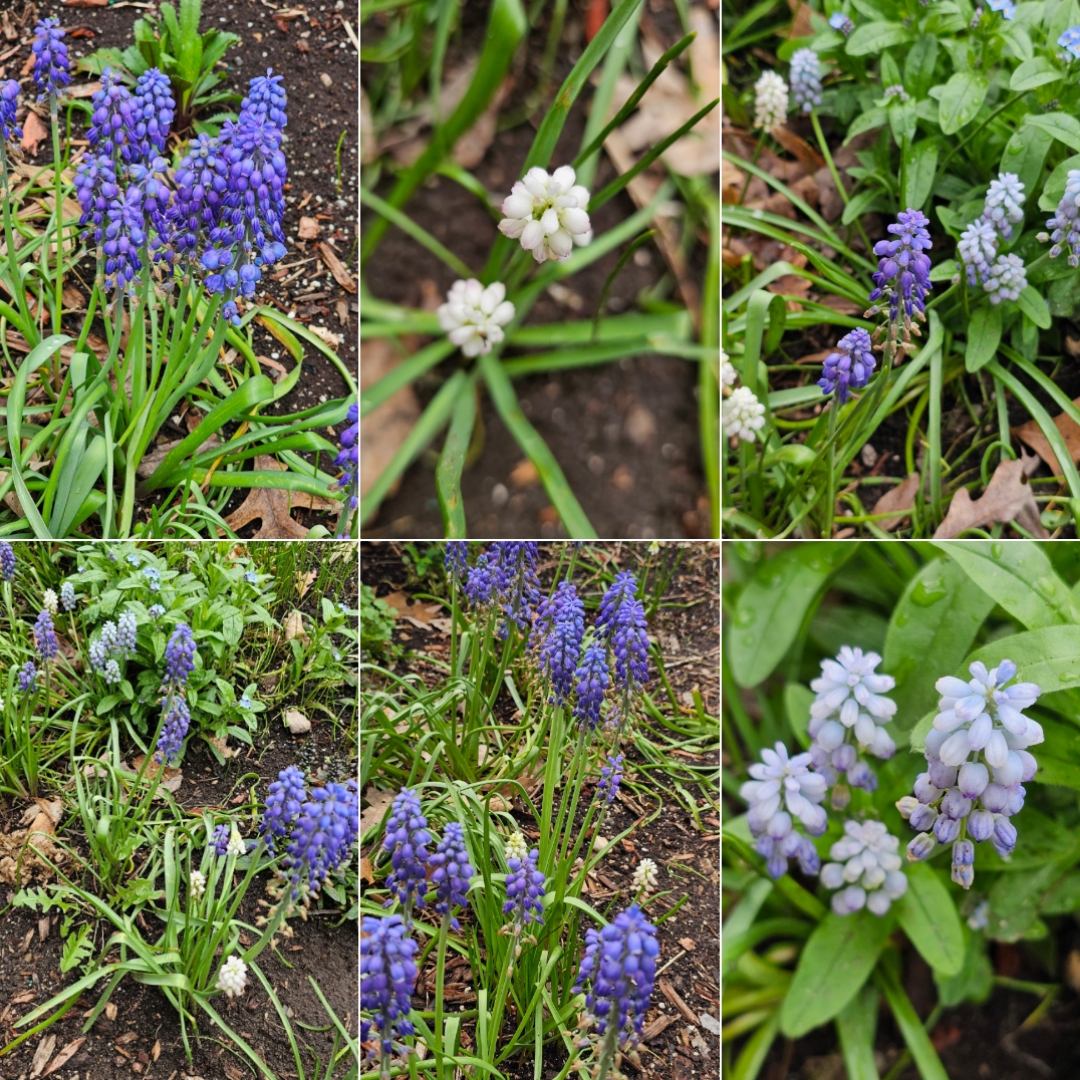
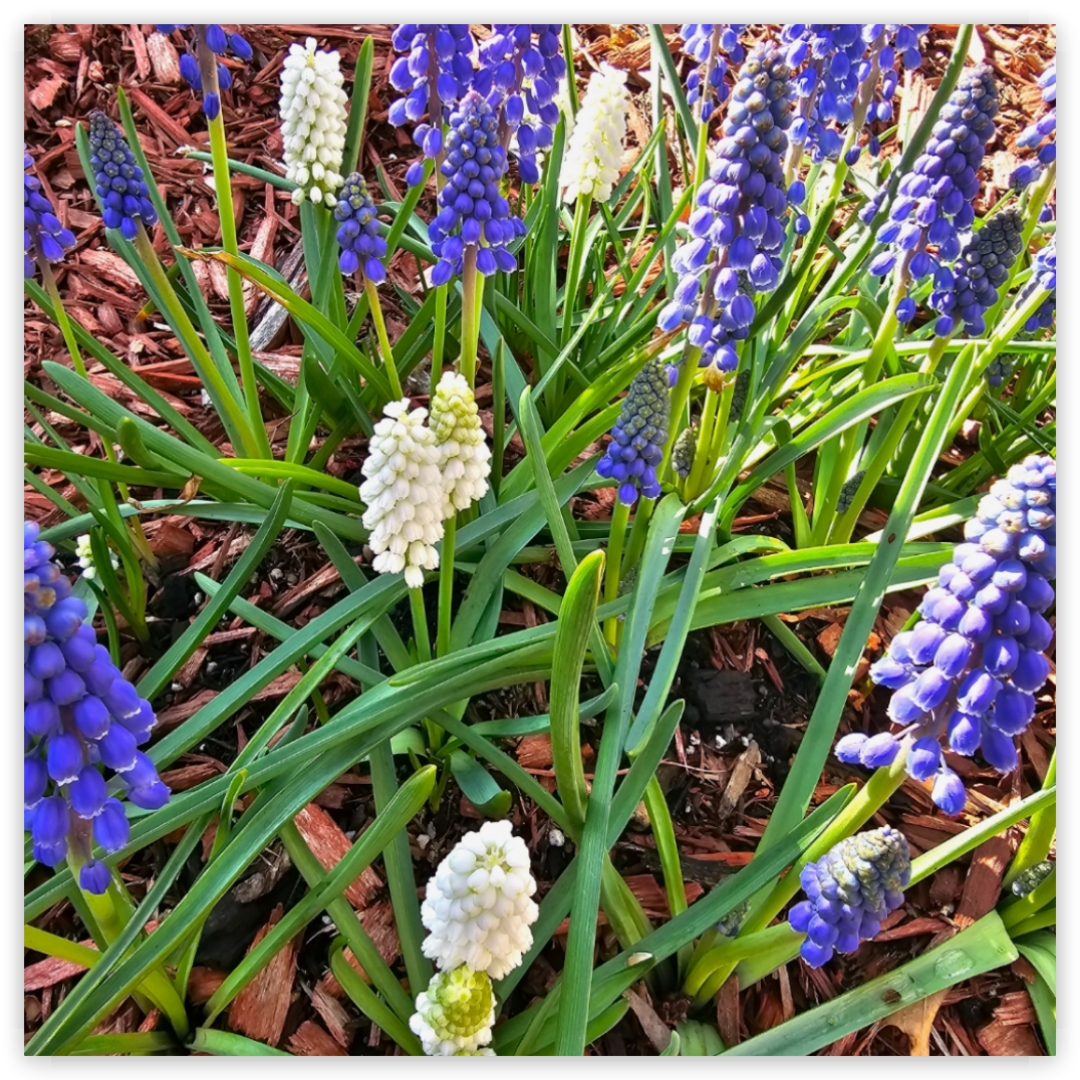
Grape Hyacinths, as a group, are made up of approximately 30 species and a large number of cultivars/varieties within the genus Muscari. Despite their common name, these assertive perennial naturalizers are not true hyacinths, though they’re both members of the plant family Asparagaceae. They’re also definitely not grapes.
Instead, Grape Hyacinths are little (only 4″ to 8″ in height), vividly-flowered, extremely cold-hardy, highly assertive naturalizing and spreading groundcovers. They grow from bulbs and spread via both bulb offsets and extremely prolific self-sowing. As is the case with other bulb plants, all parts of the Grape Hyacinth are toxic to mammals, making them highly resistant to mammalian ingestors like deer, chipmunks, and voles.
The flowers, which grow in huge, tightly grouped numbers on upright racemes, are vividly colored and create a stunning display when growing in large colonies. And, due to their prodigious spreading/naturalizing capabilities, in large colonies is where you’ll typically find them.
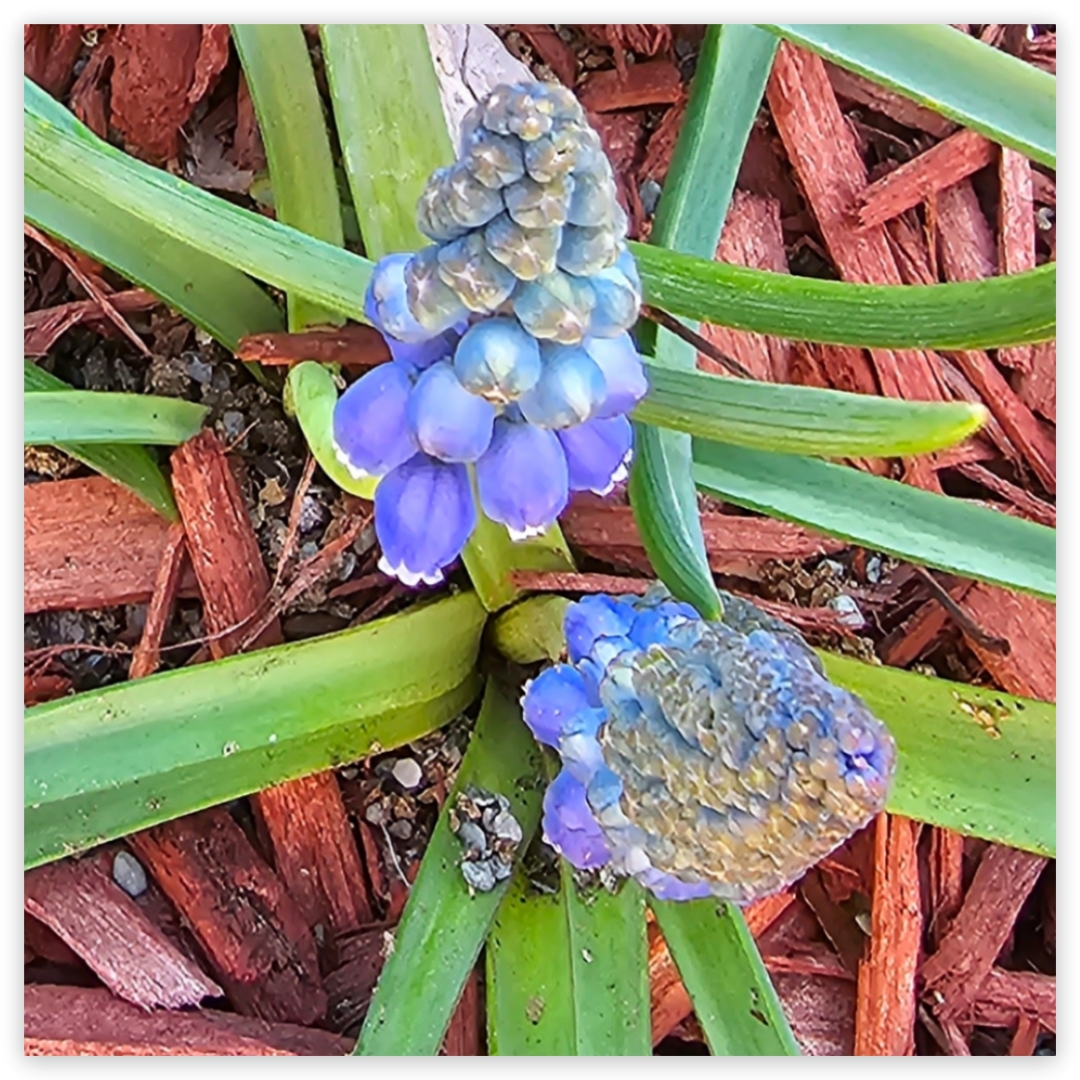
Because Grape Hyacinth foliage is usually spent, yellowed, and dead by mid summer (the flowers are gone long before that time), these plants are considered ephemeral. But I leave the stems and foliage in place as long as they remain green in order to maximize feeding and energy storage for each plant’s bulb. In this way, each plant comes back in vigorous fashion the following year, and year after year. Spent blooms spit out viable seeds in all directions, so care must be taken at the end of the flowering season to corrall and deadhead spent blooms if you want to keep spreading and naturalizing under control.
While they’re flowering, Grape Hyacinths cover any ground in which they’re growing with vivid, nearly-electric color. They’re remarkable little plants that require virtually no special care. Here’s a little more info:
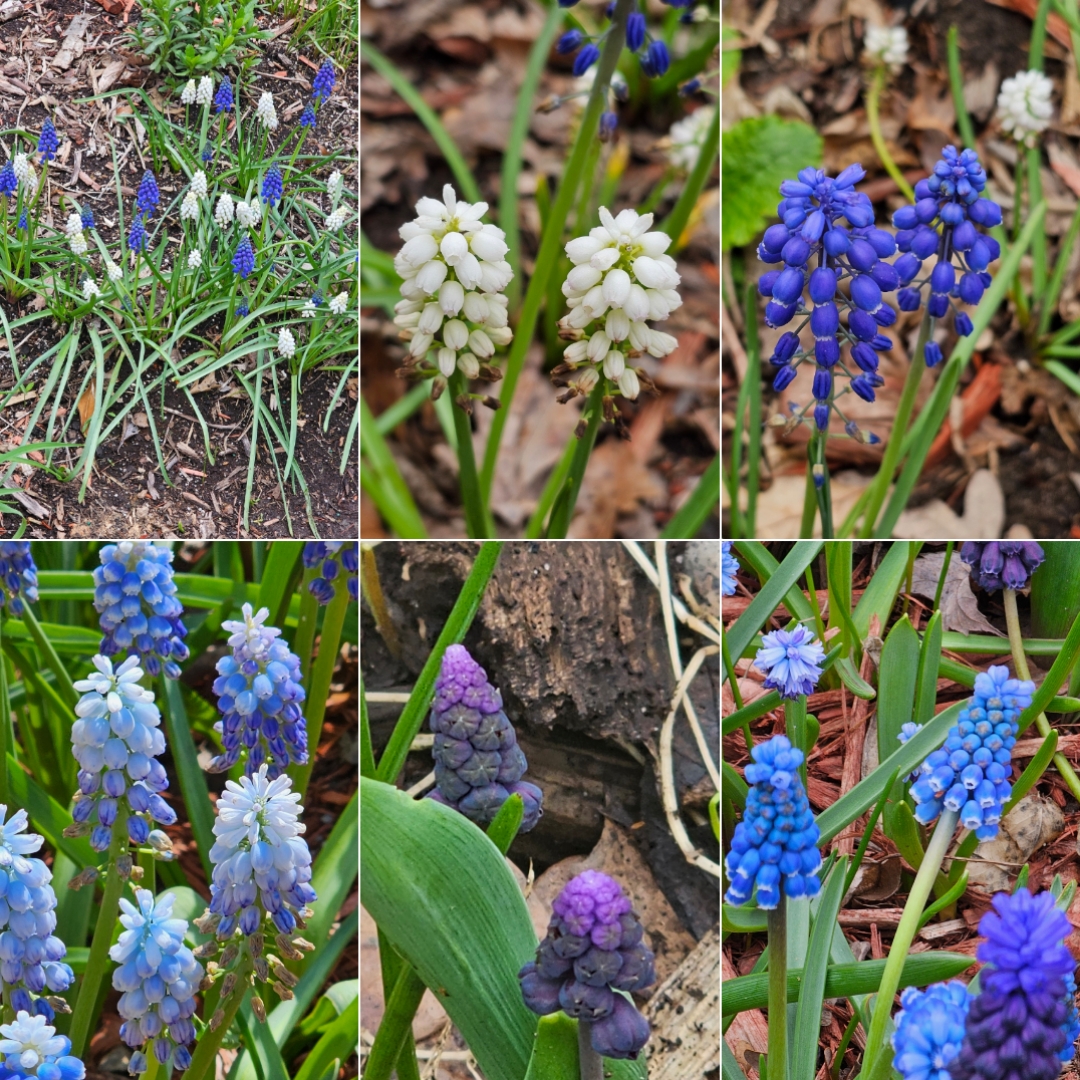
Grape Hyacinths belong to the plant genus Muscari, which is comprised of approximately 30 separate species and many various cultivars/varieties. Among those that grew in our Michiana Shores garden were the vivid blue Muscari armeniacum ‘Blue Grape’, the bright white Muscari aucheri ‘White Magic’, and the sky blue Muscari armeniacum ‘Valerie Finnis’.
Blooms. Racemes featuring clusters of up to 40 or more (yep, I’ve counted them) little urn-shaped flowers of six fused tepals concealing six stamens. The flowers are extremely vivid in color and display in shades of blue, white, purple, and even pink. Flowers hanging lower in each raceme are seed-bearing and fertile (these are the guys that drop seeds everywhere once the blooms are spent) while upper flowers are infertile and sometimes brighter in color, serving as visual attractants for pollinators. Even though the entire little plant is beautiful, the upside-down-bunches-of-grapes-looking flower clusters are the reason you’ll grow these prolific naturalizers.
Bloom time. Generally April through May in most hardiness zones. Different species and cultivars may bloom at slightly different times and for slightly different durations, so growing several of these will prolong the floral display.
Sunlight. Full to partial sun.
Hardiness. Zones 3A through 9B, but they flower most prolifically and perform best overall in 4A-8B.
Roots. As with other bulb plants, the roots originate from the bottom of each bulb.
Soil. Slightly acidic to slightly alkaline. Very well-draining. Soggy soil will rot their bulbs.
Foliage. Deep green strap-like/grass-like basal foliage emerging directly from the bulb. Herbaceous and ephemeral. By mid-summer, all foliage and aerial structures are dead and ready to be cut back. Ours, however, in many cases re-sprout in fall.
Toxicity. All parts of the Grape Hyacinth are acutely toxic to all mammals, including people, pets, and pests.
Grape Hyacinths have been strikingly beautiful spreading and naturalizing groundcovers in our former Michiana Shores 5B/6A garden, and they’ll definitely be natural choices for us as spreading and naturalizing groundcovers in Hardiness Zone 4A in British Columbia.
(Read more about Grape Hyacinths and see more of their photos in “5 Great Bulbs for Fall Planting”.)

3. Biokovo Hardy Geranium (Geranium x cantabrigiense ‘Biokovo’): From the Mountains of Croatia to Western Canada
Hardy Geranium, also commonly known as Cranesbill, is a beautiful, often low-growing, clumping hardy perennial that, in many cases, makes a fabulous spreading perennial groundcover in an ornamental garden. The one that grows in the former RGG Michiana Shores garden is the Biokovo Hardy Geranium (Geranium x cantabrigiense ‘Biokovo’). It’s named for Croatia’s Biokovo mountains where, according to virtually every account I’ve read and every grower I’ve ever spoken with, it was discovered growing as a naturally occuring, sterile hybrid of two native Croatian species, G. macrorrhizum and G. dalmaticum. (This being said, in my research, I did discover one source [not to be named here] that claims a different origin – but since that source also included additional info that I considered potentially faulty, I’m playing it safe and sticking with the consensus.)
This beautiful plant steadily – but gradually and gently – spreads to form a lovely green matt that, due to its shallow rhizomes and roots, is very easy to control. It does not choke out nearby plants but rather grows amicably side-by-side with them. Individual plants grow to a height of approximately 6″-12″ and a spread to over 18″. Their rhizomatous growth habit allows individual plants to be easily divided (naturally or by design) and become new plants. In this way, a few small individual plants can become a colony. For Ann and me, the Biokovo Hardy Geranium is a natural choice as far as spreading and naturalizing groundcovers in Hardiness Zone 4A are concerned.
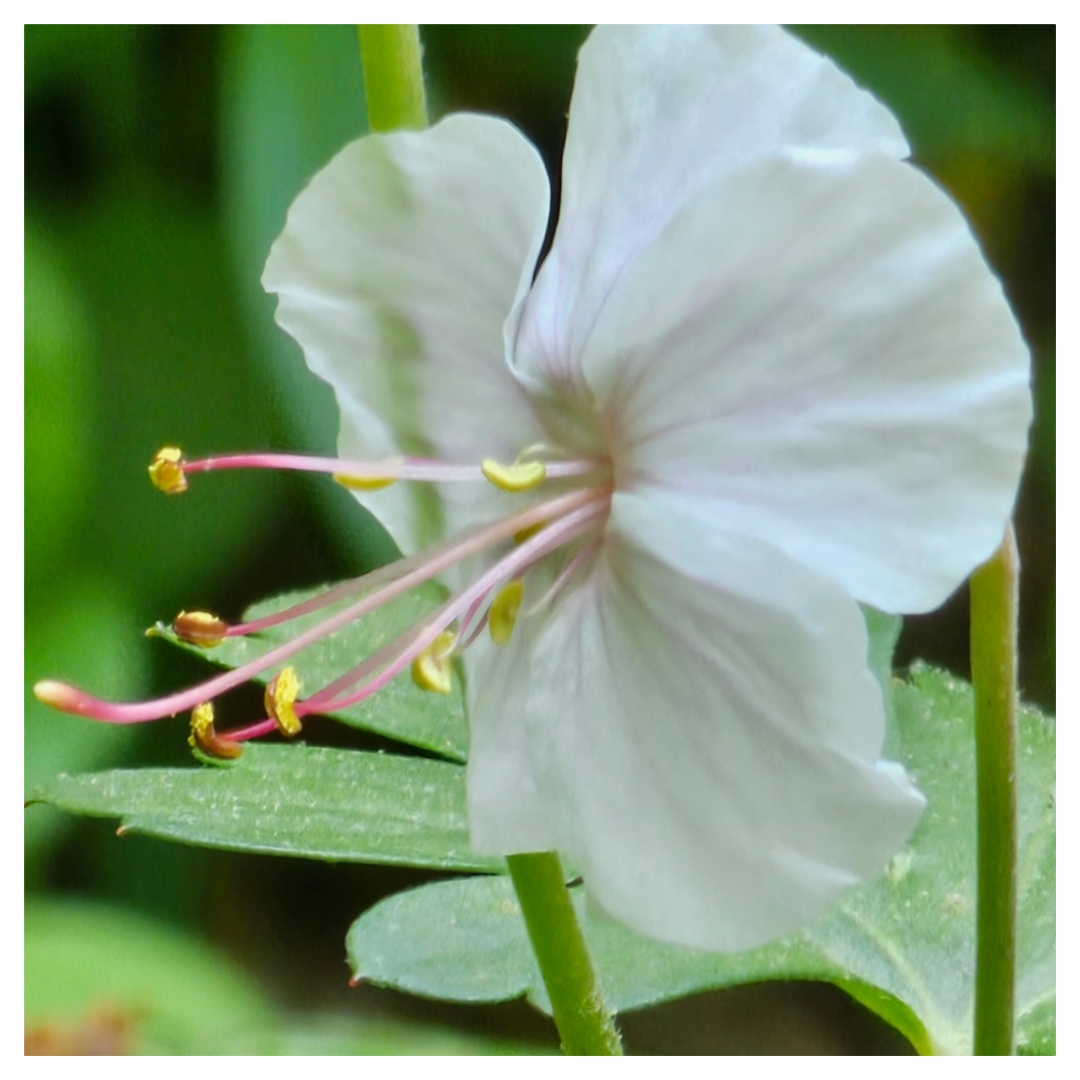
The delicate beauty of a little white flower courtesy of our former Michiana Shores garden’s colony of Biokovo Hardy Geraniums (Geranium x cantabrigiense ‘Biokovo’). Note the 10 stamens with yellow pollen-bearing anthers that are visible in the photo. Not visible in the photo are the flower’s pistil and ovary. Though the flowers are definitely hermaphroditic, the plants themselves are sterile and do not produce seed.
Blooms. Lovely bright white to very slightly pinkish, smallish (about 1″ to 1-1/4″ across), with 5 petals and 10 stamens (male reproductive organs) and one pistil and ovary (female reproductive organs). Although their flowers are hermaphroditic (possessing both male and female reproductive organs), the plants, as mentioned in the photo caption above, are sterile and do not produce seeds.
Bloom time. Generally late through Mid July. Many times, however, they’ll bloom again – less profusely – later in the summer. The fact that the plants are sterile and don’t put ant energy into seed production allows them to spread (via rhizomes) more assertively and flower more profusely.
Sunlight. Partial shade to full sun.
Hardiness. Zones 4A through 8B. These plants are used to the cold – they’re native to some of the coldest parts of the Biokovo mountains in Croatia.
Roots. Subterranean roots that originate from nodes on the plant’s creeping, shallow, underground rhizomes. The Biokovo Hardy Geranium’s sole method of spreading is via this rhizomatous growth habit.
Soil. Ours grew beautifully in well-draining soil that ranged from slightly acidic to slightly alkaline. Like all the plants on this list, they cannot tolerate soggy, muddy, poorly-draining soil.
Foliage. Herbaceous to semi-evergreen to evergreen, depending on climate. The aromatic leaves are palmate in form and deeply cut with seven rounded lobes. In my humble opinion, the plant is worth growing for its beautiful foliage alone (though those little white blooms really are gorgeous).
Toxicity. Though the Biokovo Hardy Geranium is not considered toxic to humans or pets, it does seem to demonstrate excellent pest resistance. The plants that comprised the colony we grew in Michiana Shores were never bothered by tunneling voles and chipmunks that would occasionally invade the garden.
The beauty of the Biokovo Hardy Geranium’s ethereal white flowers and dense, green foliage, its ground-hugging stature, steady, but non-aggressive spreading growth habit, and excellent cold-hardiness combine to make it a natural Top 5 pick for us as one of our future spreading and naturalizing groundcovers in Hardiness Zone 4A.
(Read more about the Biokovo Hardy Geranium – and see more photos of it – in “7 Super Perennial Groundcovers for Sun, Shade, and More”.)
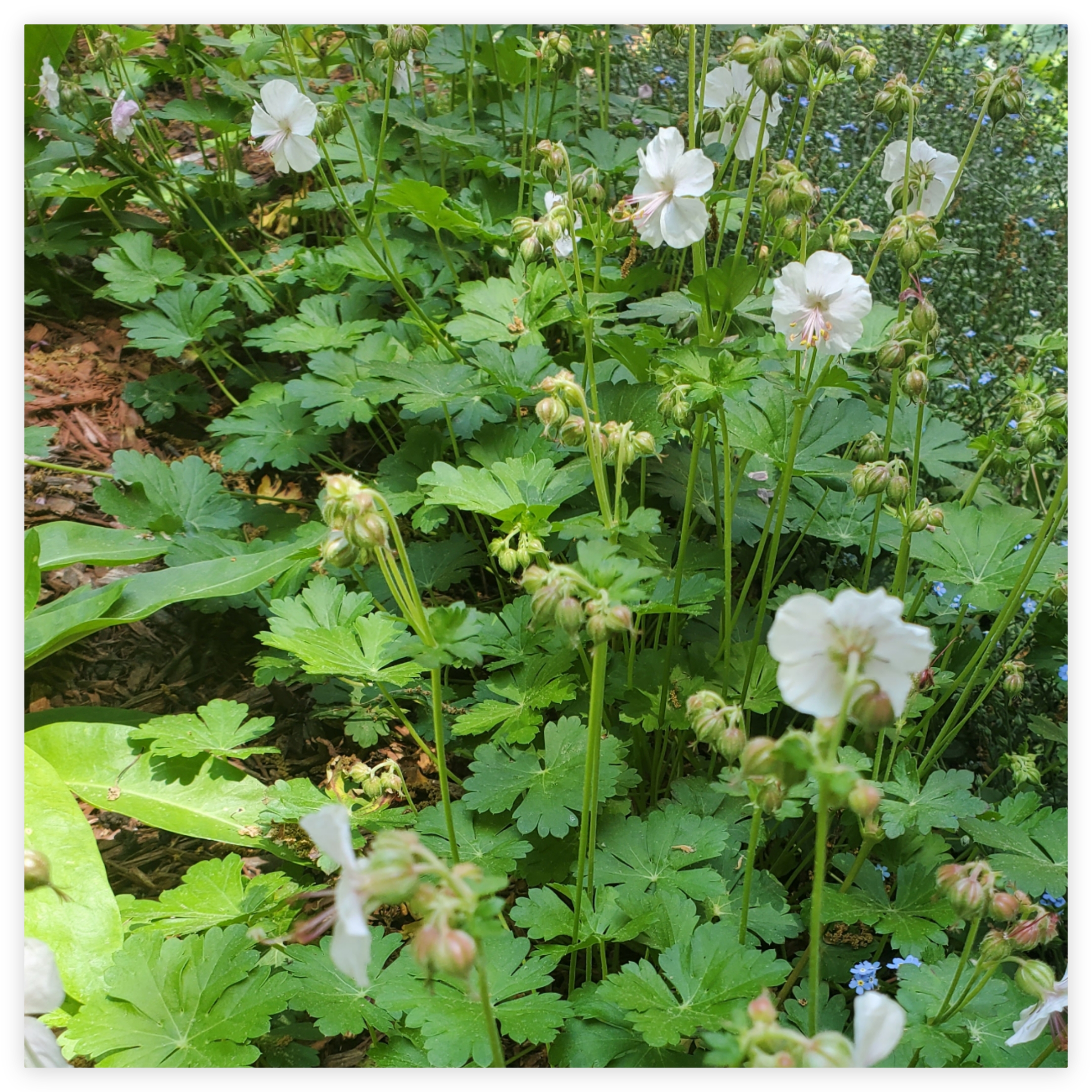
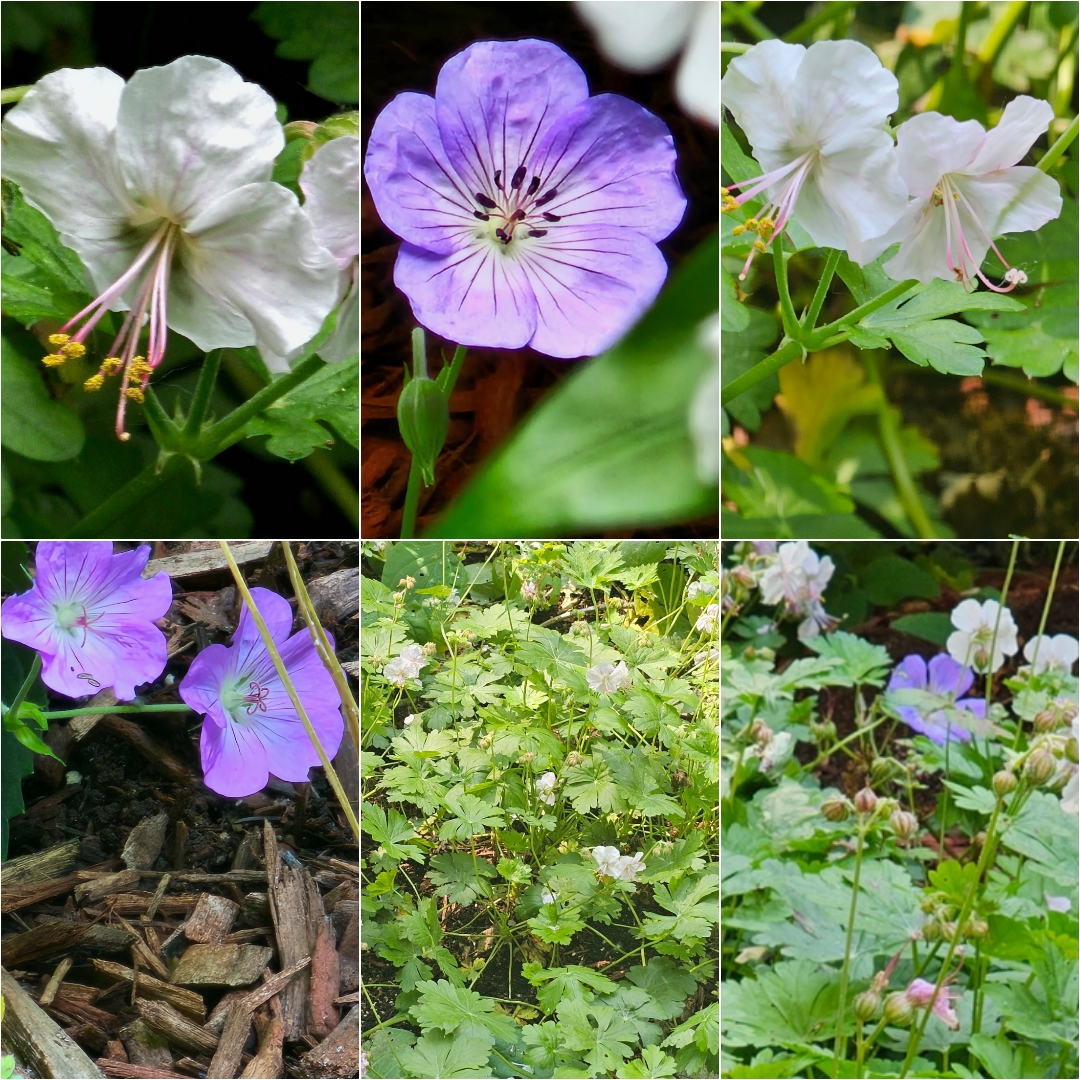
This photo shows the two Hardy Geranium specise that grew side-by-side in the former RGG Michiana Shores 5B/6A garden. Pictured is, of course, the 4A-hardy Biokovo Hardy Geranium (white flowers) and the beautiful lavender blue-flowered Azure Rush Hardy Geranium (a cultivar derived from Geranium wallichianum x Geranium himalayense ‘Rozanne’). Although the Azure Rush is lovely, it’s only cold-hardy down to Zone 5A. It wouldn’t survive in our future garden in BC’s Zone 4A Cariboo Region.

4. Chocolate Chip Ajuga (Ajuga reptans ‘Valfredda’ CHOCOLATE CHIP): A Thick Mat of Blue Spires and Dense Green Leaves with a Stupid Name That Spreads and Spreads and Spreads
Very early on in the process of considering which spreading and naturalizing groundcovers in Hardiness Zone 4A we’d ultimately select as denizens of our own British Columbian garden, Ann and I recognized that the Chocolate Chip Ajuga, aka Chocolate Chip Bugleweed, (Ajuga reptans ‘Valfredda’ CHOCOLATE CHIP) satisfied every one of our criteria:
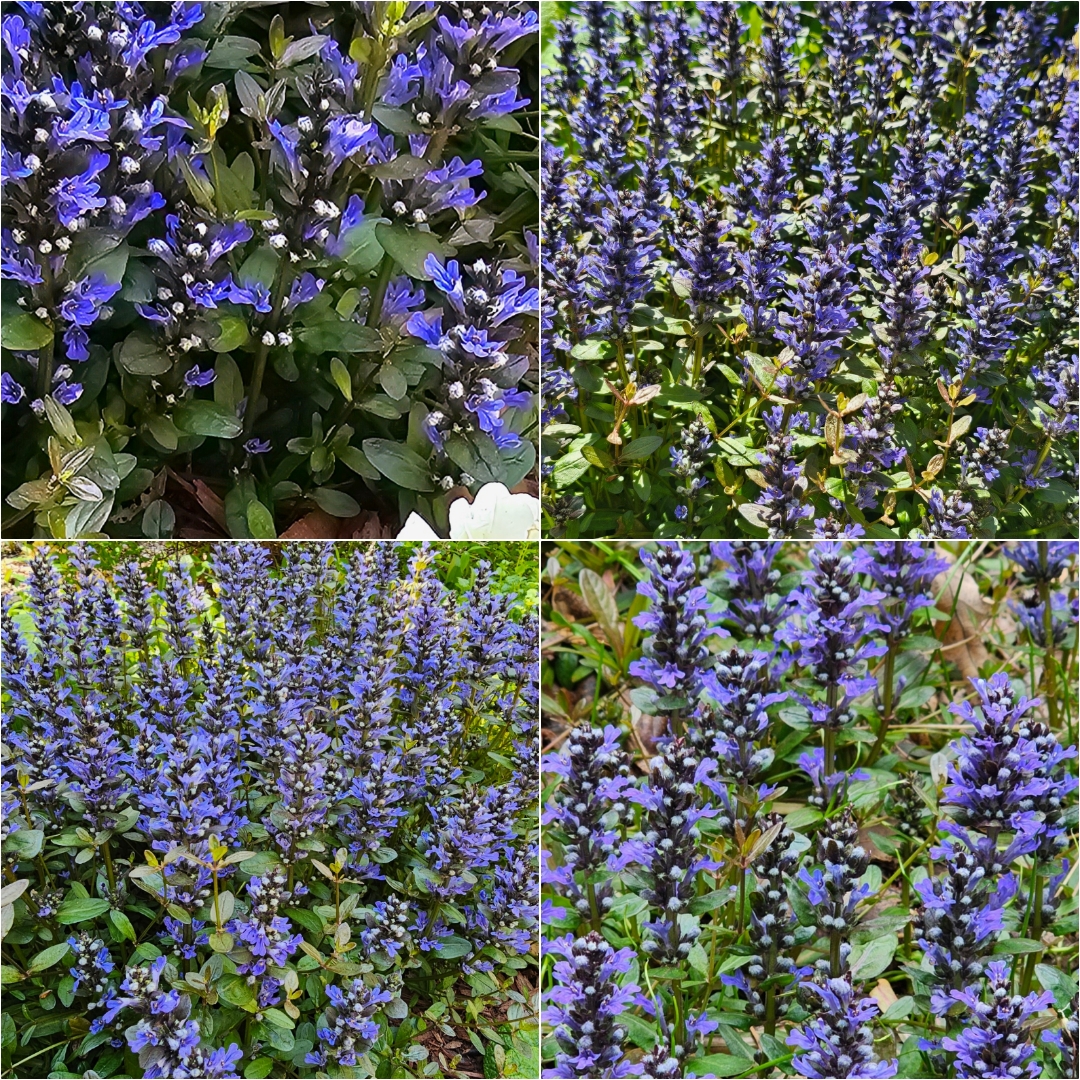
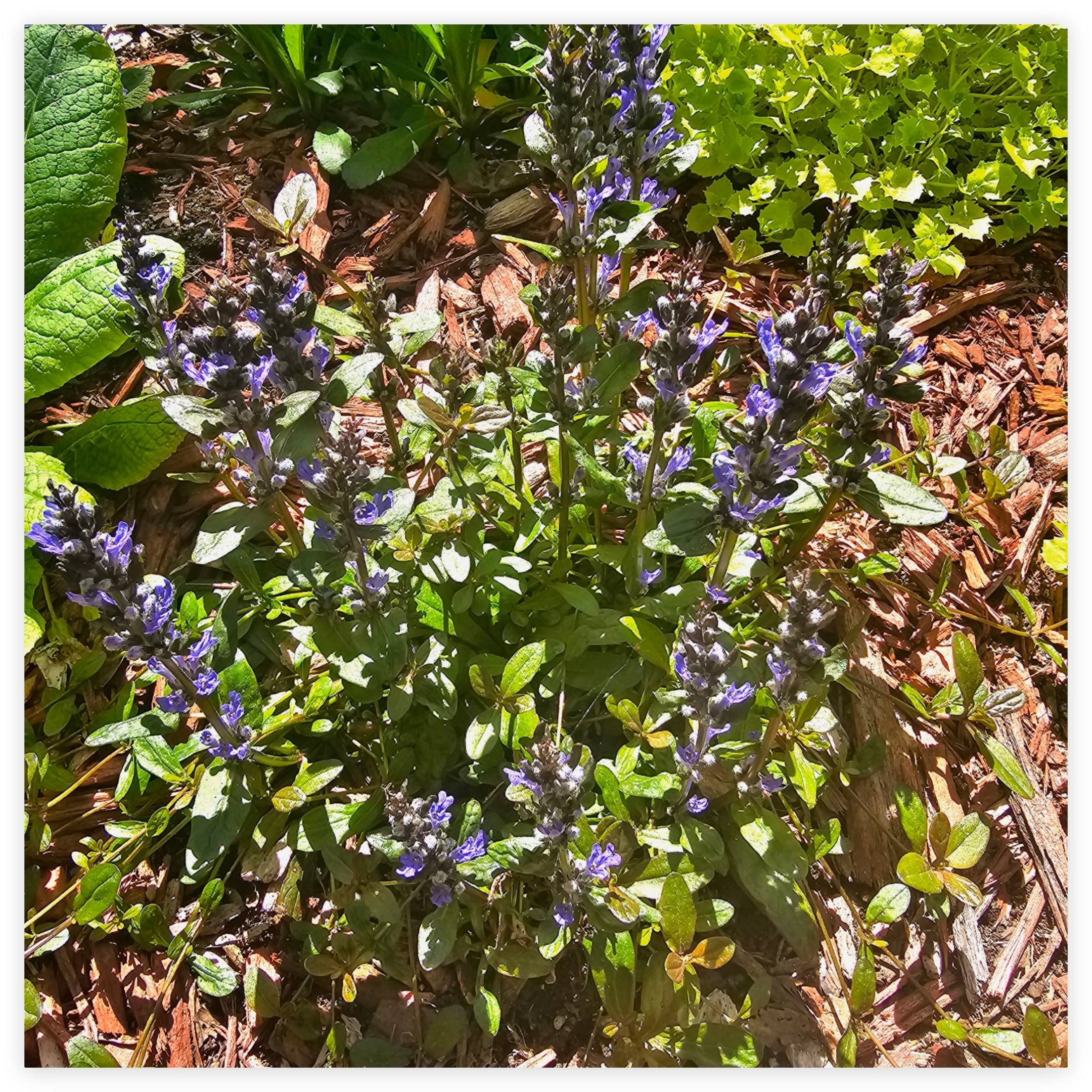
Beauty? Check. During the bloom season, gorgeous blue-violet flowers rise on racemes above a stunning 2″-3″ high mat of green-to-mostly-bronze/chocolate-colored tiny oval leaves. Once the flowers are spent, the herbaceous/evergreen/semi-evergreen foliage continues to hug the ground in dense, burnished glory all the way into late autumn. Those little bronze-tinged leaves give the plant its trade name, Chocolate Chip.
Cold hardiness? Yep. If it has to, it can handle the extremes of Zones 3A through 10B.
Bare spot coverage? Oh, yeah. In fact, it’s the most prolific true perennial spreader of our Top 5 picks. It generates stolons (aka “runners”) that run outward right at the surface of the soil (or barely below the surface) to both increase the original plant’s spread and to generate entirely new plants. One plant can turn into a fast-spreading colony over the course of just a couple of growing seasons.
Maintenance? None. Unless you count keeping its amazing creeping habit reined in (which is really easy to do).
Any problems with the Chocolate Chip Ajuga? Just one: the stupid, cutesy name. (The crap they put into cookies doesn’t belong hanging on a plant. Goddamnit.)
Of the various Ajuga varieties I’ve grown over the years, Chocolate Chip is the most beautiful, most durable and hardy, and easiest to tend. And of all the spreading and naturalizing groundcovers in Hardiness Zone 4A that are available to Ann and me, choosing this one for our Top 5 was a massive no-brainer, despite its stupid name. Here’s a little more basic info and a few pics:
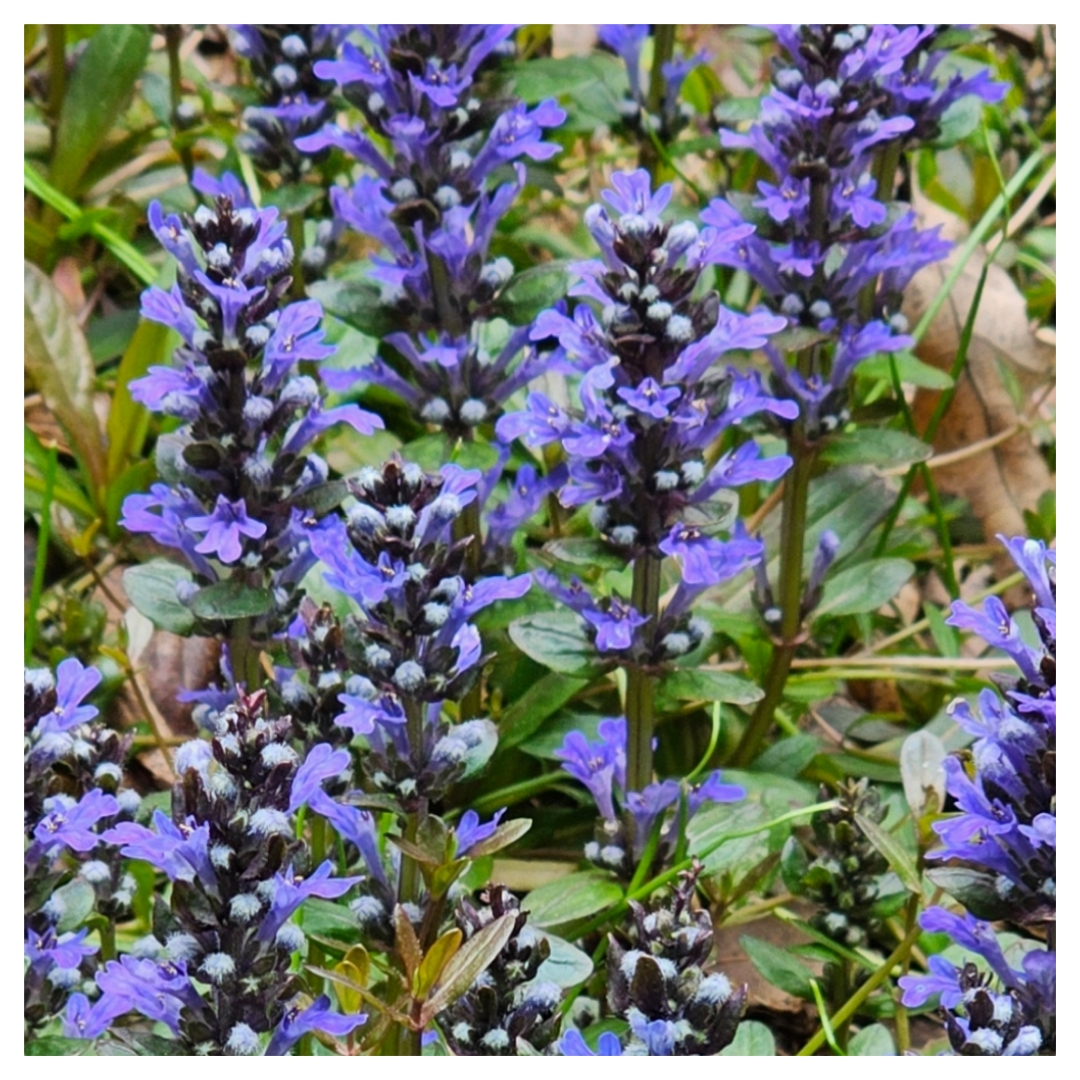
When Chocolate Chip Ajuga (Ajuga reptans ‘Valfredda’ CHOCOLATE CHIP) blooms, it does so in upright magic wands of beautiful blue-violet.
Blooms. Beautiful blue violet clusters on racemes extending approximately 3″-6″ above the mat-like bronzed foliage. The flower petals are fused into tiny, short tubes rimmed with 5 lobes (lips). Although I could never detect any fragrance, these beautiful flower spikes literally glow against the backdrop of their glossy bronze leaves and attract bees, butterflies, and even hummingbirds.
Bloom time. May through early June.
Sunlight. Mostly shade to partial sun.
Hardiness. The plant is hardy in Zones 3A through 10B, but performs best in Zone 4A-9B. Either way, it’s going to do great in our Zone 4A Cariboo Region garden.
Roots. The plant’s growth is stoloniferous – it spreads outward from the original (mother) plant via stolons (stems that originate above ground from the plant’s main stem but travel just at the surface of the soil, or just barely beneath it, and its fibrous roots grow as follows: They originate from the mother plant’s main crown and from the bottom of each stolon’s nodes. As the original plant’s stolons creep outward, each node along every stolon drops fibrous roots down into the soil and generates aerial structures (leaves and stems) upward into the sunlight. A new plant is essentially created at each node. As the plant’s internodes aren’t terribly long, a dense spreading mat of new plants results. This spreading habit could be a real problem if it weren’t for the fact that this Ajuga’s fibrous roots aren’t very deep. It’s not difficult to rein in the plant’s spreading growth if it becomes problematic.
Soil. Slightly acidic to slightly alkaline. Humusy or enriched, moist but well-draining.
Foliage. Herbaceous/semi-evergreen/evergreen. Beautiful, glossy, brown or bronzed tiny oval leaves approximately 1/2″ wide and 3/4″ long. Due to the plant’s aggressive stoloniferous growth habit, one plant expands relatively quickly to become a striking glossy dark-green/brown/bronze outwardly-spreading mat that sets off its blue-violet blooms in striking fashion and effectively – and quite beautifully – eliminates any unsightly garden bare spots.
Toxicity. Considered non-toxic to humans and pets. Despite this fact, it’s fairly resistant to mammalian assailants like voles, chipmunks, and deer.
Among the spreading and naturalizing groundcovers in Hardiness Zone 4A that we’ve got in our sights for our Cariboo Region garden, the Chocolate Chip Ajuga definitely has the stupidest name. Yet, despite this inconvenient fact, it sits at or near the top of the list.

The Renaissance Garden Guy is a participant in the Bluehost affiliate program. The Renaissance Garden Guy earns a fee/commission each time a visitor clicks on a Bluehost ad or banner in this site and makes a subsequent qualifying purchase. For more details, and for a full list of this site’s affiliate partners, please visit The Renaissance Garden Guy Disclosure page.
5. Woodland Forget-me-not (Myosotis sylvatica): They’ll Remind You Every Spring
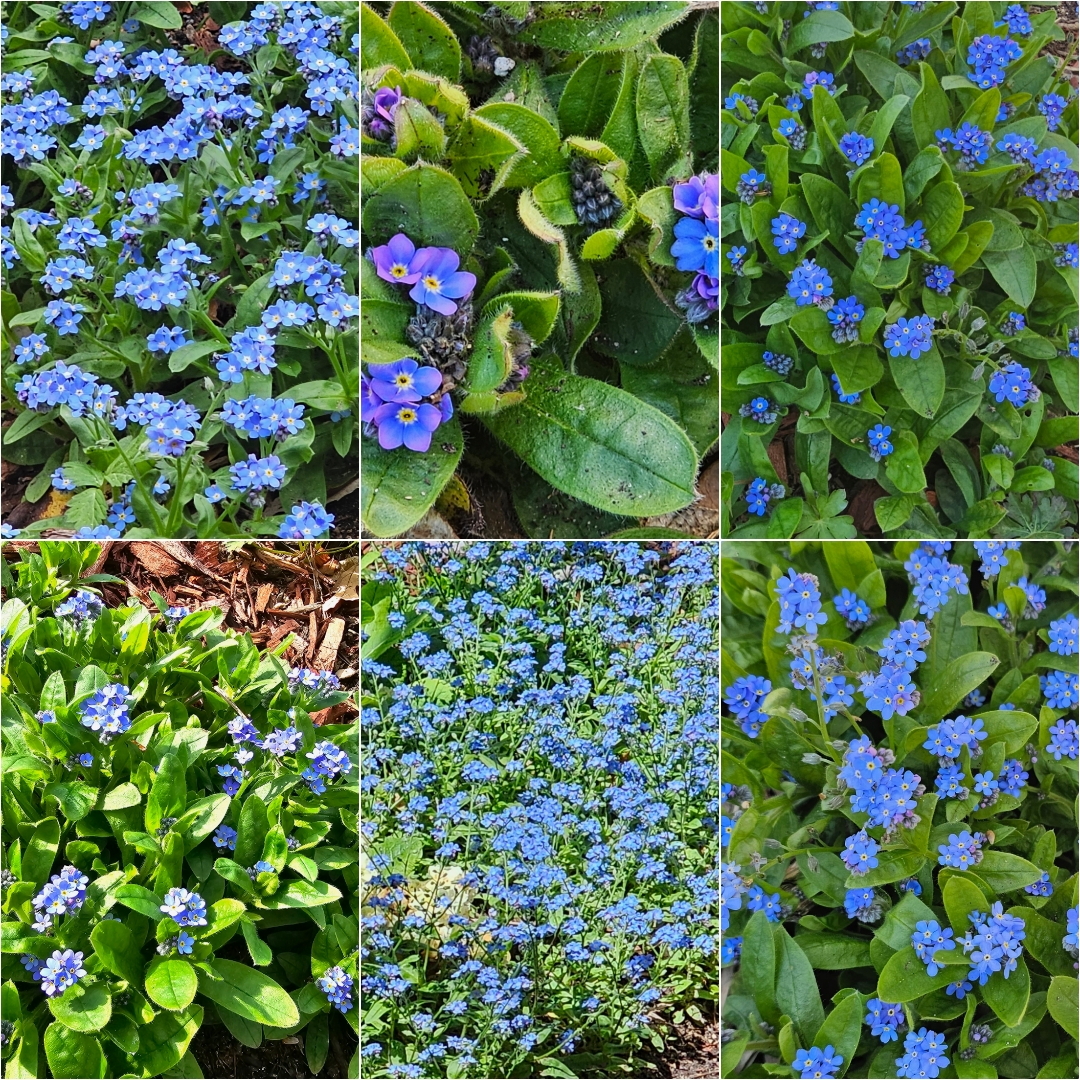
I love these little plants so much, I featured them in two previous RGG articles, “Beautiful Blue Garden Blooms” and “7 Super Perennial Groundcovers for Sun, Shade, and More”, where I recommended them as stellar perennial garden performers. I heaped some seriously high praise on them, considering that they’re not actually true perennials. At least not in the purest sense of the word. No, Woodland Forget-me-nots (Myosotis sylvatica), are actually biennials. Individual plants live only two years, sprouting and developing foliage and (sometimes) a tiny amount of flowers their first year, then growing even bigger, flowering like machines, and dropping seeds like crazy in their second year, and then usually dying (occasionally, individual plants will live to flower and self-sow into their third year). But because these plants self-sow so prolifically (and individual plants can and do spread into clumps via a stolon-like creeping habit that originates from the base of each plant’s main stem), they persist in sizable colonies year after year after year in a garden and therefore effectively become perennial populations as a result of this reproductive proficiency.
Ok, enough about this beautifully flowering little plant’s life-cycle. The main takeaways here are that Woodland Forget-me-nots are beautiful, small (usually 6″-12″ tall with a spread of 8″-12″), colony-forming/naturalizing/spreading, super cold-hardy, European/Western Asian imports that have become naturalized throughout many parts of North America. They generate huge masses of tiny, brilliant, 5-lobed flowers that typically range in color from sky blue to deep blue to bright blue. Their clumping foliage is gorgeous. And, most importantly, they make unbelievably beautiful and highly effective groundcover plants. In terms of our own very favorite spreading and naturalizing groundcovers in Hardiness Zone 4A, this one is an absolute must-have.
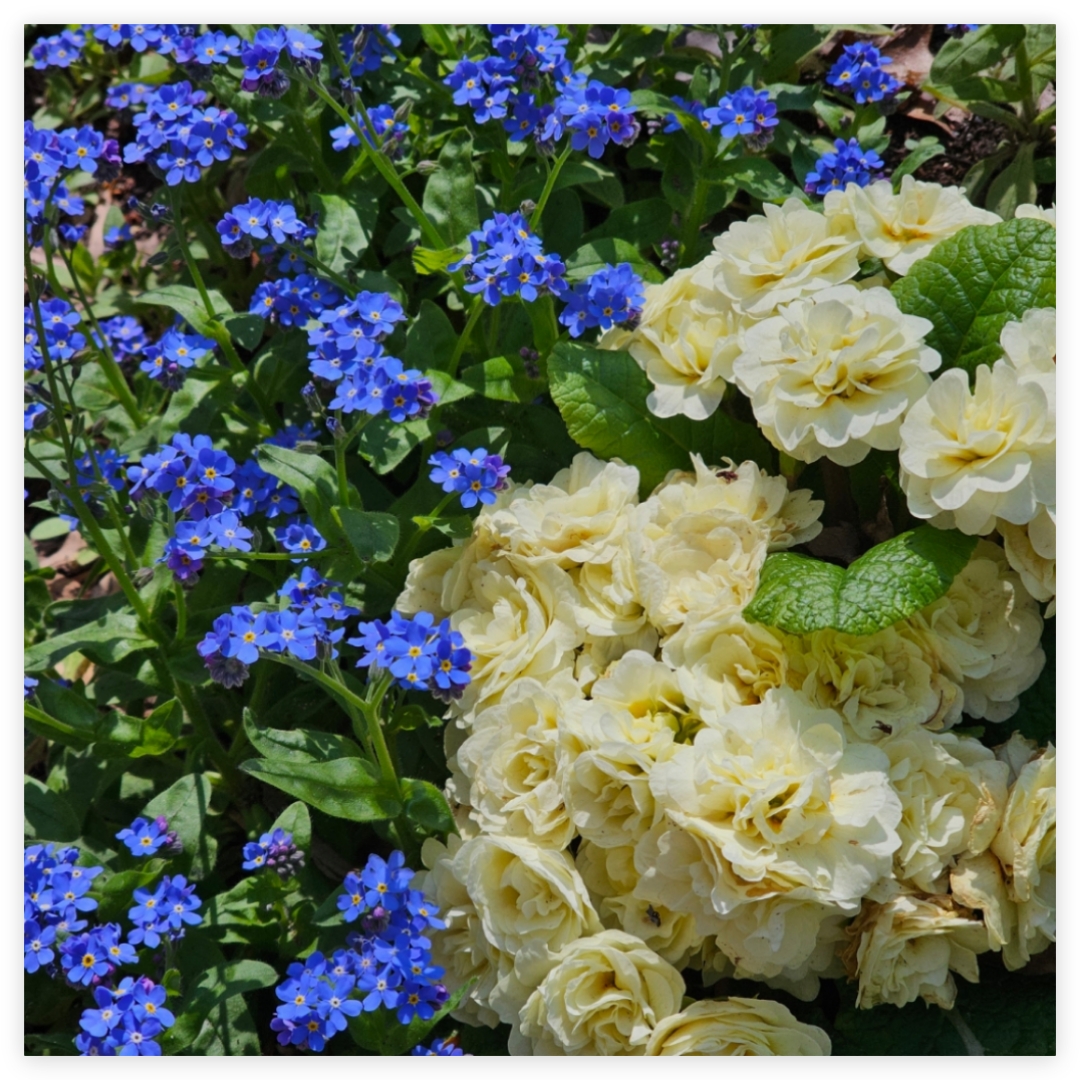
The vivid blue tiny flowers and green hairy clumping foliage of our Woodland Forget-me-not (Myosotis sylvatica) colony offer a striking contrast to the cream-colored double blooms of a Hardy Primrose (Primula vulgaris). Though Forget-me-nots spread prolifically, they’re very easy to manage due to the fact that their fibrous root systems are not deep. For this reason, they’re simple to uproot and transplant.
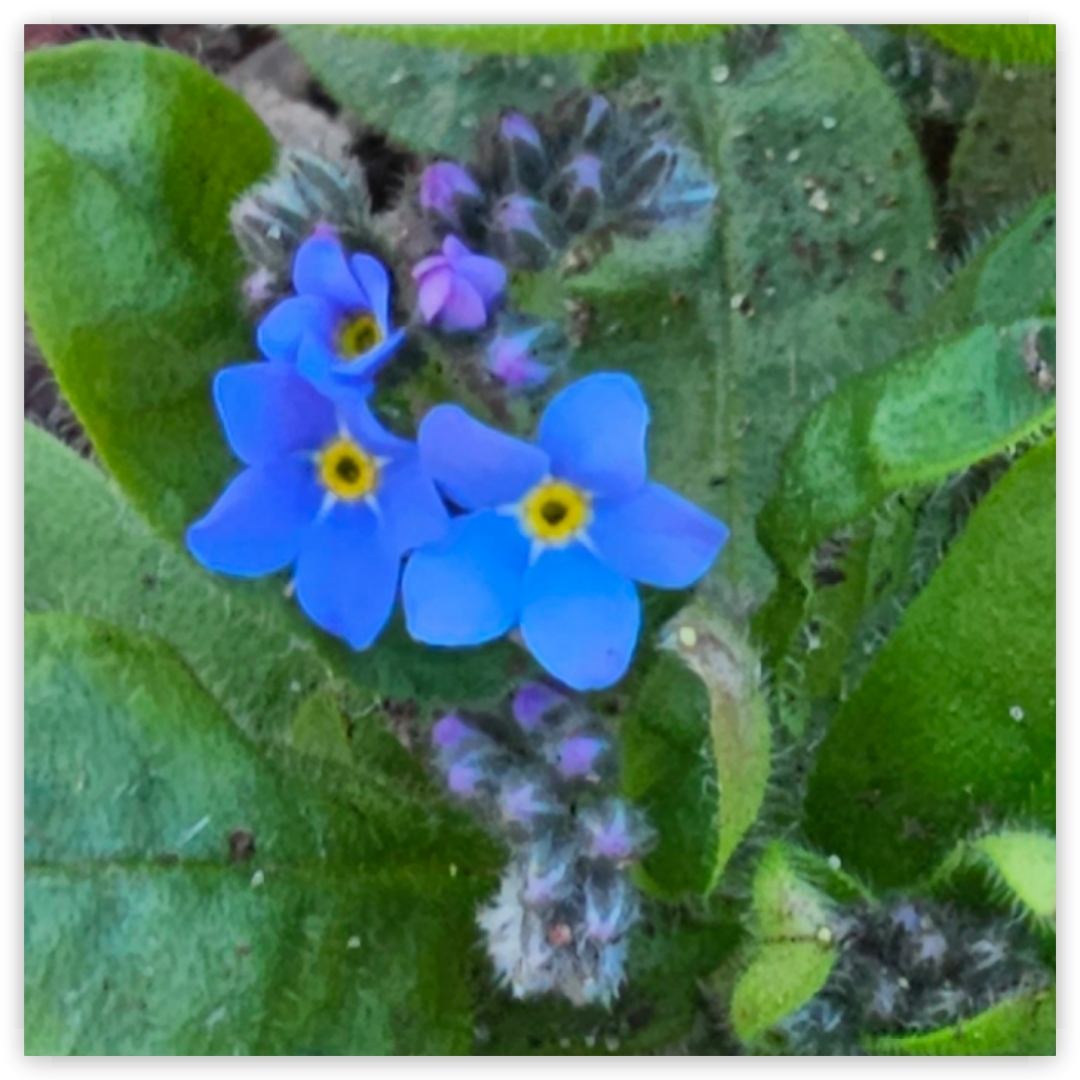
Blooms. Beautiful clusters of tiny (appx. 3/8″ across), 5-petaled sky blue, deep blue, and bright blue flowers with yellow or white eyes. But some cultivars and naturally occurring mutations feature pink or white blooms. The flowers are hermaphroditic, containing 5 stamens (male reproductive organs) and a pistil/ovary (female reproductive organs). Though the flowers have no scent, pollinators like butterflies, moths, bees, lady bugs – even dragonflies and spiders – are all over them.
Bloom time. Early April through the end of May. Some flowers will persist longer, well into summer.
Sunlight. Mostly shade to mostly sun.
Hardiness. Zones 3A through 9B. In the higher temperatures of Zone 9, Forget-me-nots require more shade.
Roots. Fibrous and shallow. An individual plant’s fibrous roots descend from the crown. The plants grow in a clumping habit as much smaller stems emerge from the base of an individual plant’s main stem and behave like stolons (though typically much shorter), rooting at a terminal node, developing aerial structures (leaves, stems, flowers), creating new plants. I’ve seen this stolon-like creeping habit up close whenever I relocated individual plants. But because Woodland Forget-me-nots are such prodigious self-sowers, this creeping growth habit isn’t typically recognized as a critical spreading mechanism. Most people simply attribute their trademark masses of foliage and flowers only to their insane self-seeding. Though self-sowing might contribute to the lion’s share of the plant’s spreading/naturalizing capabilities, in reality, both methods do contribute to their massing/clumping appearance and dense ground-covering abilities.
Soil. Slightly acidic to slightly alkaline, moist, but well-draining. Ours have done well after the application of organic, granular fertilizing products.
Foliage. Evergreen, hairy, leaves grow in a basal rosette and in an alternating pattern on aerial stems. The leaf shape is oblong-lanceolate or oblong-linear, with basal leaves being larger (1″-3″ long) than stem leaves (1/2″ to 1-1/2″ long). The plant’s clumping growth habit (via its short, stolon-like creeping) and its aggressive self-sowing ensure that mounds and mounds of this rugged, beautiful foliage will take care of any garden bare spots that need blanketing.
Toxicity. Nontoxic to humans, dogs, cats, and hoofed mammals. Resistant to deer due to the short bristles of its hairy leaves. Resistant to chipmunks and voles due to its mild toxicity to rodents.
Mound after mound after mound of dense, evergreen, clumping foliage that’s absolutely smothered with mesmerizing tiny blue flowers in spring and into summer, plus its rugged cold-hardiness coupled with its self-sowing guarantee of permanent residency in our future British Columbian garden ensure that the Woodland Forget-me-not holds a place of honor in our roster of spreading and naturalizing groundcovers in Hardiness Zone 4A.

Spreading and Naturalizing Groundcovers in Hardiness Zone 4A: You’ve Just Met Our Top Five
Any ground in our Cariboo Region garden in British Columbia that needs to be covered is going to be blanketed with Spanish Whitebells, Grape Hyacinths, Biokovo Hardy Geraniums, Chocolate Chip Ajuga, and Woodland Forget-me-nots. They’re our Top 5, and hopefully, after reading about them here, you can see why. If you’ve got your own Zone 4A garden ground to cover, why not give some or all of these little beauties a try?
P.S. Make sure to come back for Part 8 in this 8-part series, “Wildflowers and Native Perennials in Hardiness Zone 4A”. It features three native wildflowers that grew beautifully in the former 5B/6A RGG Michiana Shores garden that we’ll be growing in the future RGG garden in British Columbia’s Zone 4A. We’re excited to extoll the many virtues of these much-deserving hardy and beautiful North American natives, and we hope you’ll enjoy reading about them and checking out their photos.
Cheers, and Happy Gardening!
John Stamos is a writer and is co-publisher of The Renaissance Garden Guy. His work has appeared in a number of publications including, most recently, A Man for Some Seasons, Splice Today, and, of course, The Renaissance Garden Guy. He is married to his multitalented sweetheart, the mycologist and writer Ann Simpson-Stamos.



The Renaissance Garden Guy is a participant in the Amazon Associates Program. As an Amazon Associate, The Renaissance Garden Guy earns from qualifying purchases.
Additionally, The Renaissance Garden Guy is a participant in the Bluehost, SeedsNow, and Hosting.com (formerly A2 Hosting) affiliate programs. The Renaissance Garden Guy earns a fee/commission each time a visitor clicks on an ad or banner in this site from one of these companies and makes a subsequent qualifying purchase.
Please click here to view The Renaissance Garden Guy Disclosure page.



So exciting! When will your move take place?
Greetings, Cathy – glad to hear from you! Thanks for reading this article. To answer your question, the schedule is, unfortunately, up to Canada’s IRCC, their federal department responsible for national immigration, etc. Quite frankly, we’re surprised the requisite documentation hasn’t yet been issued. Should literally be any day, but there’s no way to know for sure. It’s been a very onerous process. I hope all is well with you and yours. Please don’t be a stranger – it’s so great to hear from you!