
Climbing Vines in Hardiness Zone 4A
Can you grow climbing vines in Hardiness Zone 4A? Yes you can, and you’ll read about two great ornamental examples right here. If you can get past the alliteration, you’ll learn that Clematis and Climbing Hydrangea vines can be just as beautiful and just as hardy in Western Canada’s frosty Zone 4A as they are in Midwestern USA’s Zone 5B/6A. We currently grow these vines in Indiana, and before long, we’ll be growing them in British Columbia, too.
By John G. Stamos

Regular RGG readers and subscribers may know that I’m planning for a move to British Columbia, Canada, where my wife Ann, my pup Holly, and I will make our home. The move itself, and all of its implications, present a number of challenges on a number of different fronts. One of those challenges will be attempting to replicate – or at least approximate – the garden I designed, developed, and currently tend here in Michiana Shores, Indiana, in USDA Hardiness Zone 5B/6A. For the past six years, that garden has dutifully served as a contextual backdrop and unifying theme for this publication. In terms of its make-up, it’s a densely planted amalgam of ornamental perennial trees, bushes, and plants. Some of these trees, bushes, and plants are cultivated, and some are native and wild. Some are deciduous, some are herbaceous, and some are evergreen. All grow beautifully and happily in Zone 5B/6A. Since Ann, Holly, and I love that garden and all the things that grow there, we’d love to try to grow as many of those same things in British Columbia as we possibly can. But the part of British Columbia where we’ll be living is located in USDA Hardiness Zone 4A (where temperatures can plummet to -30° Fahrenheit and lower), so, since a number of the Michiana Shores garden’s denizens are not hardy in zones lower than 5, we’ll need to be selective.
Fortunately, we won’t need to be too selective. And that’s where this feature, which is essentially a pictorial spread peppered with a dash of helpful info, comes in. This article, along with seven others, serves as an 8-part, full-color manual outlining some favorites from our current 5B/6A Michiana Shores garden that will thrive just as beautifully in British Columbia’s more frigid Zone 4A.
In this series of features, you’ll learn which of one particular Midwest Zone 5B/6A garden’s vines and climbers, foliage-intensive perennials, bodacious bushes and trees, early bloomers, power flowerers, lilies and daylilies, spreading and naturalizing groundcovers, and wildflowers and native perennials can make the successful leap to the higher latitudes and lower temperatures of British Columbia’s chilly Zone 4A. For a closer visual inspection of the plants discussed in this article, please be sure to click on their photos below. When you do, you’ll be able to enlarge, minimize, or zoom in or out on them. Pretty handy, no?
Note to readers: Before you set your heart on a particular Zone 4A-capable plant for your own British Columbian garden, I highly recommend a visit to The Invasive Species Council of British Columbia’s excellent website: Click here to plan ahead.

Climbing Vines in Hardiness Zone 4A: Clematis Fits the Bill Perfectly
Of the approximately 380 species, and countless hybrids, cultivars, and sports of the plant genus Clematis, many are vines, most are hardy in Zone 4A, and all are beautiful.
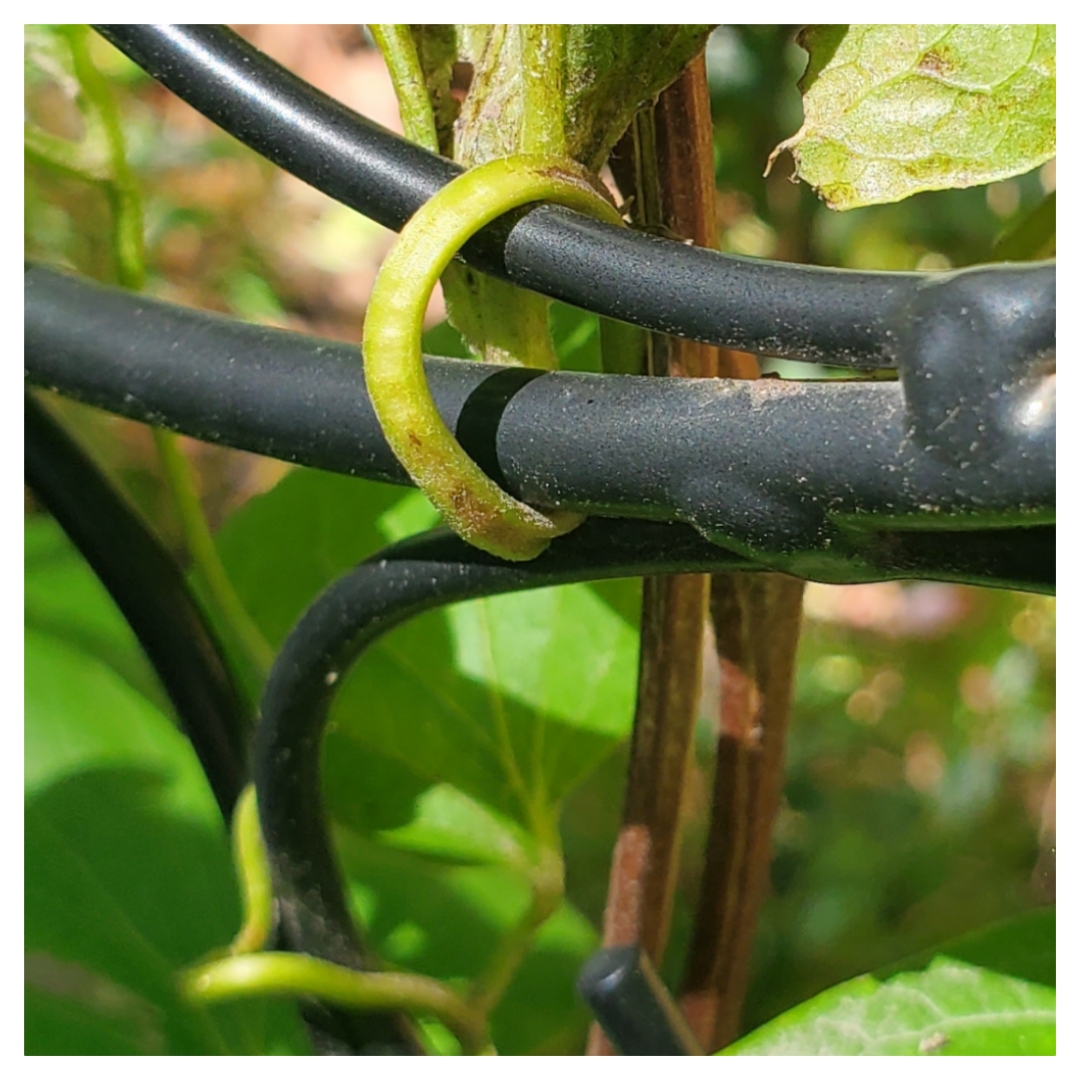
Clematis vines are grasping leaf stem climbers, meaning that, unlike twining stem or aerial root climbers, they use only their relatively short leaf stems to assertively grasp necessarily slender components of vertical structures to make their climbs. They’re also often prodigious bloomers, generating flowers along the lengths of their stems from virtually ground level to their very tops. And a particular Clematis vine’s blooming predilections are governed by the way – and the time of year – portions of its aerial growth is or isn’t removed. Since the most direct and controlled way that a Clematis vine’s aerial growth is removed is through pruning, these awesome climbers flower according to the way they’re pruned. As a result of this dynamic, Clematis vines are organized into three different pruning groups as follows:
Clematis Pruning Group 1. These Clematis vines flower on old wood. Since no new growth is necessary for the formation of their flowers, there’s no need to start chopping on them early in the current growing season to get them to bloom. After they flower in the spring, you can them cut them back to stimulate new growth through the rest of the current spring and summer. That new growth will generate a whole bunch of new flowers the following spring.
Clematis Pruning Group 2. These vines bloom on both old and new wood. If you grow these, just cut off any obviously dried and dead side shoots and stems in later midwinter. They’ll flower on their older existing growth and on any new growth they generate throughout their bloom times during the growing season.
Clematis Pruning Group 3. Group 3 Clematis vines flower most vigorously on new wood. Consequently, to get the most flower power out of them, you’ll want to cut them down to a height of anywhere between 12 and 18 inches in the latter part of midwinter. Once the warmer temperatures of the current growing season kick in, they’ll generate a ton of brand new growth, and it’s on this new growth that gobs of flowers will form.
Since most Clematis vines thrive best in full sun (6 hours or more), it’s obviously important to oblige them in order to coax the greenest foliage and best flowering out of them. But maybe even more importantly, you’ve got to take care of their massive, widely-spreading (but not terribly deep) fibrous root systems. Even though their aerial structures dig the sun, their roots, since they don’t grow downward too deeply into the more temperature-resistant layers of soil, will need some aboveground shadiness and protection in order to stay cool during hot and sunny days. There’s an old saying to remember when picking a good spot to plant a Clematis vine: “Faces in the sun, feet in the shade.” A generous layer of wood chip mulch can provide the necessary insulation to keep a Clematis vine’s roots cool in the summer, and well-protected in the winter.
Another thing to remember is the fact that Clematis vines attach themselves to vertical structures using only their comparatively short leaf stems. Make sure the components of their intended climbing structure are no more than 1/2″ in diameter. The thinner the better.
So, Clematis-wise, what’s growing in our 5B/6A Michiana Shores garden that we also want to grow in BC’s colder Hardiness Zone 4A?
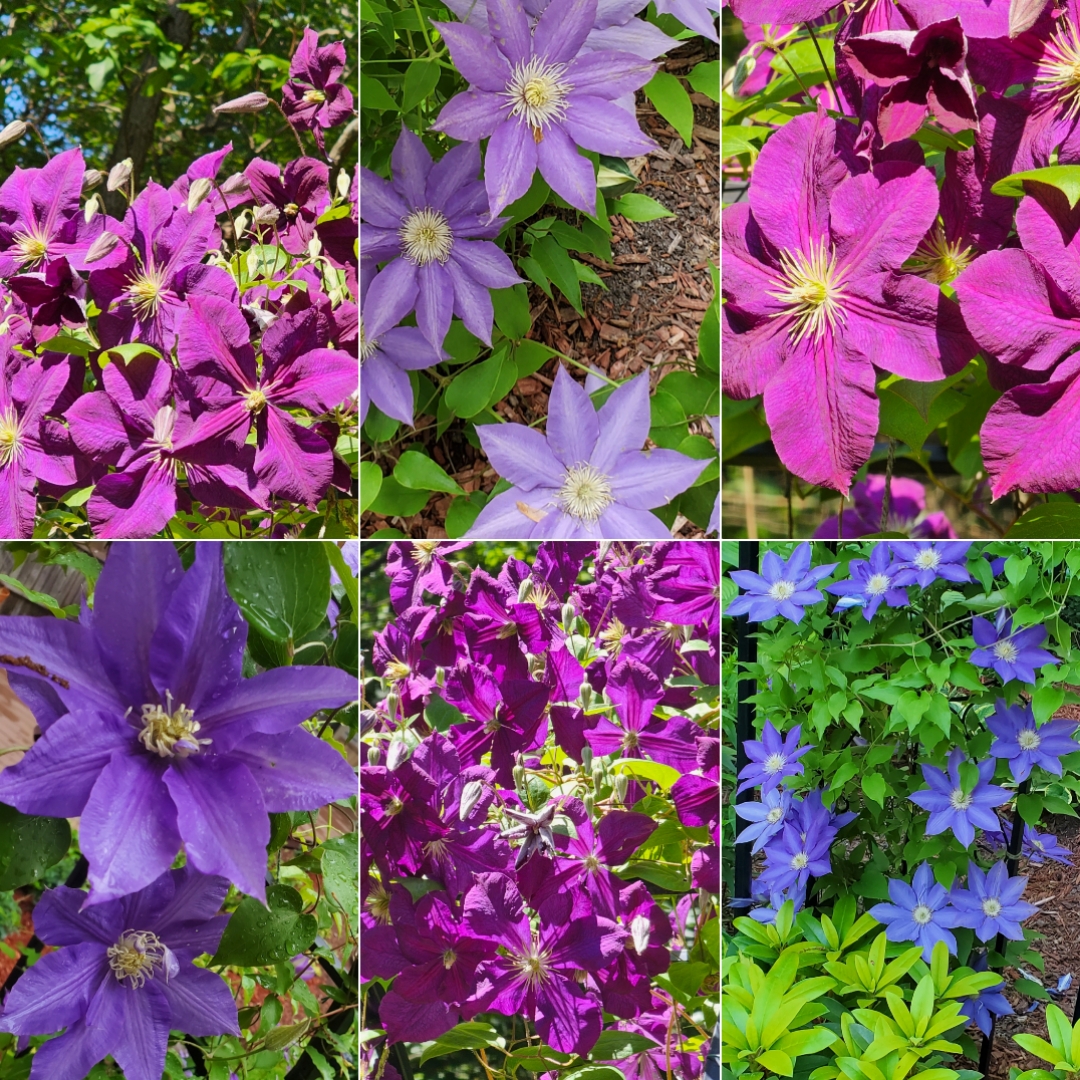

Clematis ‘Jackmanii’ (Clematis x jackmanii): A Group 3 Garden Favorite
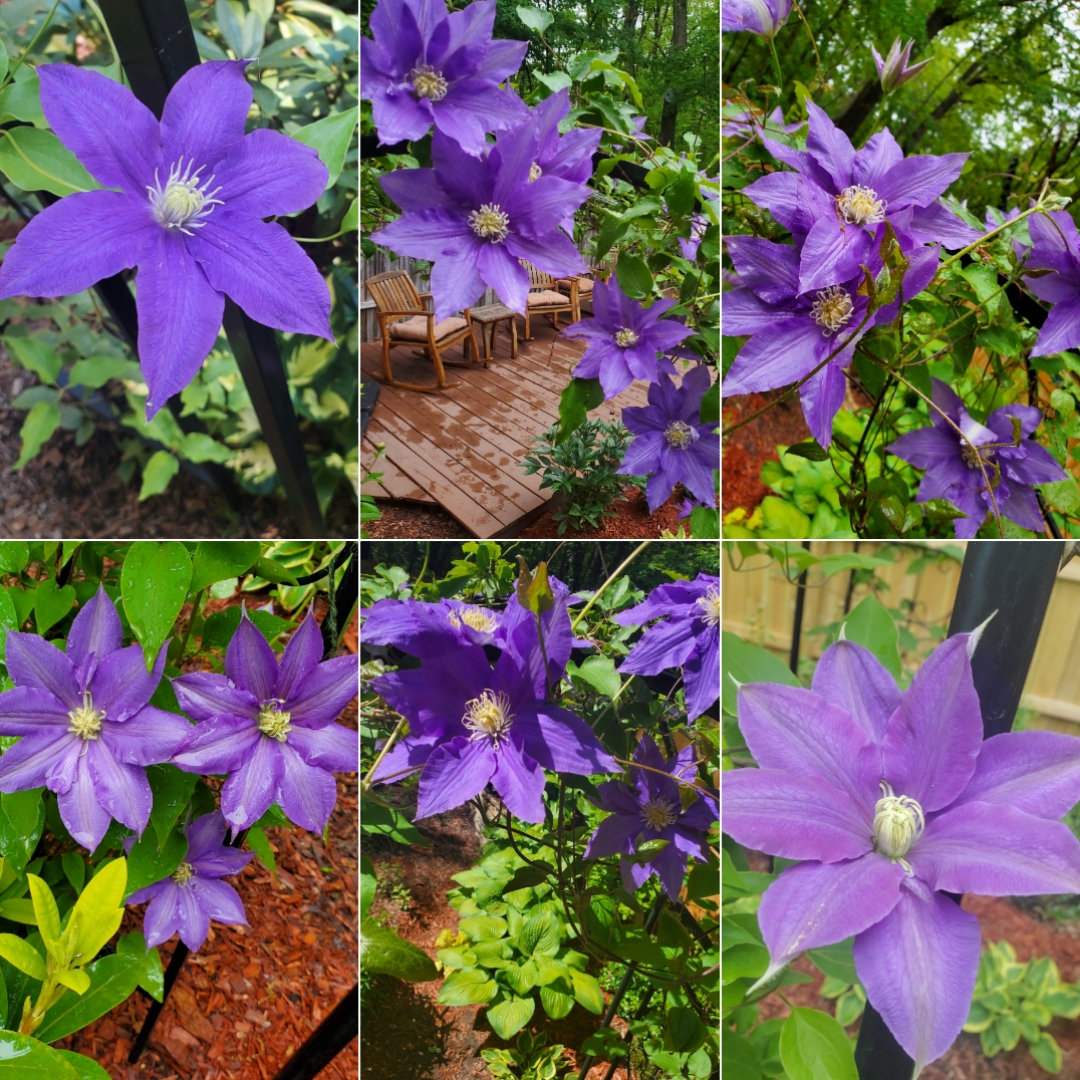
Clematis ‘Jackmanii’ (Clematis x jackmanii) was first introduced to the gardening public in 1862 by the English nurseryman George Jackman, making it the oldest large-flowered, modern garden Clematis cultivar. It remains one of gardening’s most popular flowering vines. The Jackmanii is a Group 3 vine which, in our garden, flowers for several weeks starting in mid June, and then again (less vigorously) in late summer until roughly the first frost. Its flowers are large and deep royal purple in color, and the plant itself grows to approximately 12’x6′ in height and width. Our Jackmanii climbs one side of a wrought iron garden arch, and as it grows, it continues over top of the structure and down the other side where it intermingles, entwines, and overlaps with its cousin (of which you’ll read and see below) planted on the arch’s opposite side. It gets plenty of full sunlight, and a small hosta and a layer of mulch provide adequate shade and insulation for its roots. Will it handle the cold of Hardiness Zone 4A? Easily.
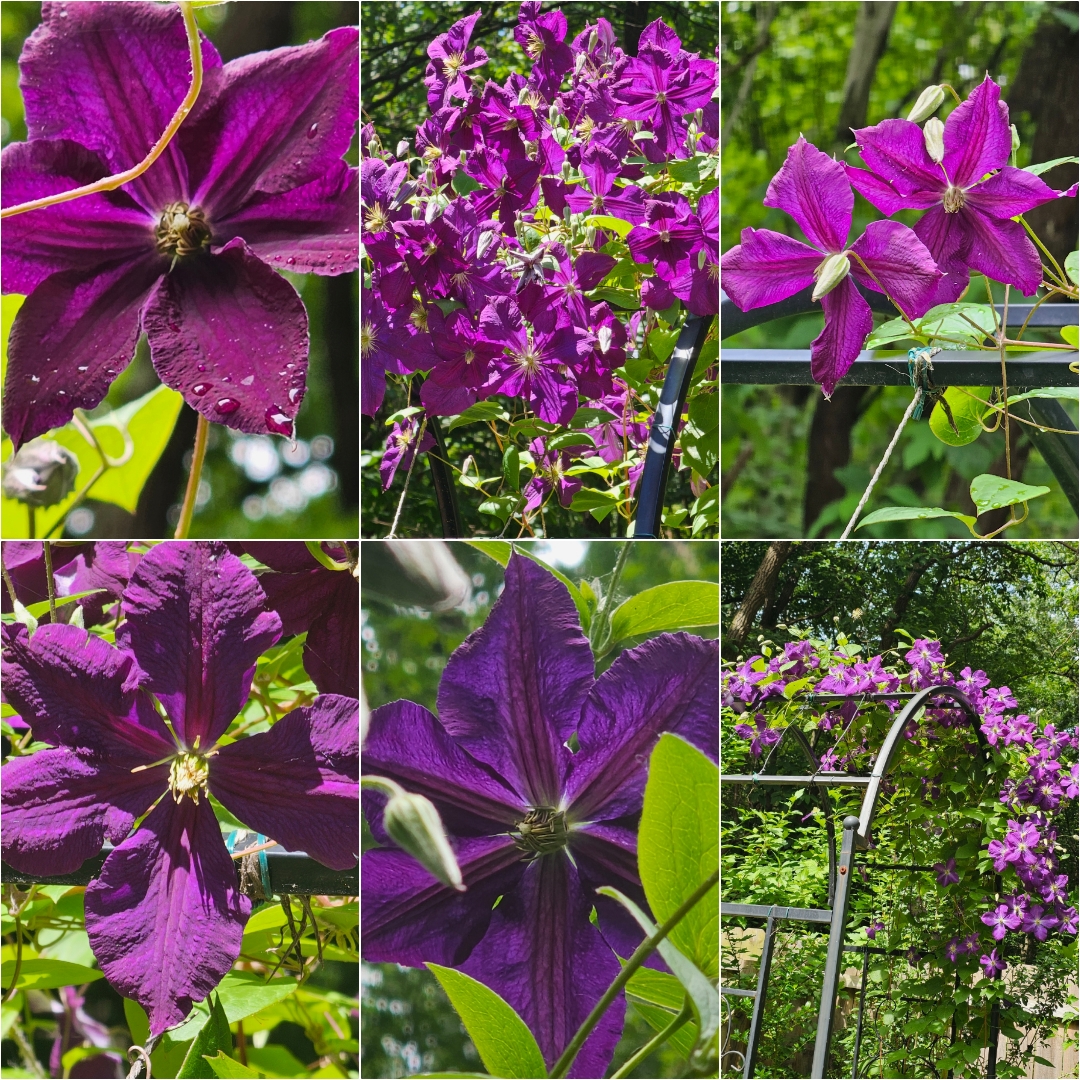
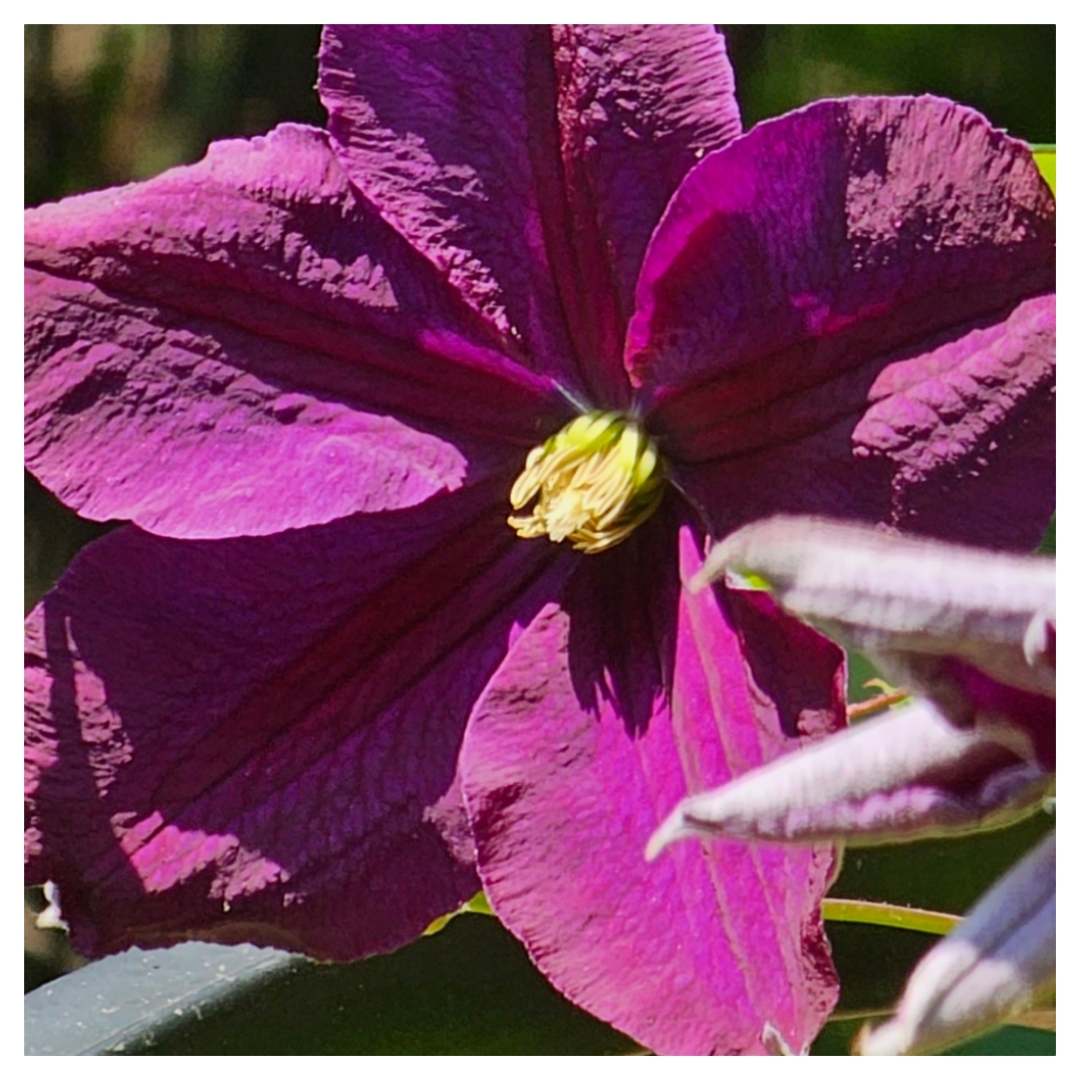
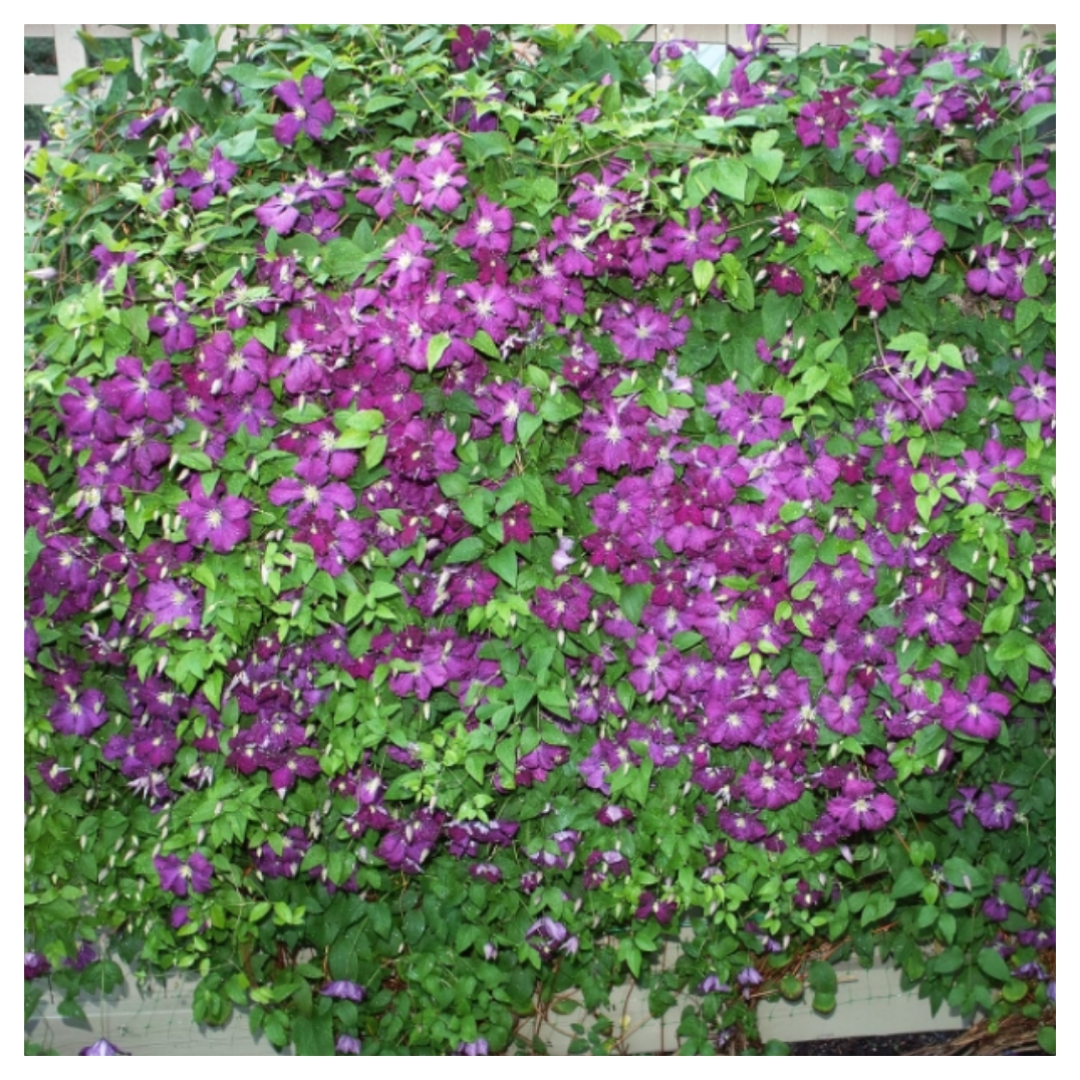

Clematis ‘H.F. Young’ (Clematis patens ‘H.F. Young’): Blooming Blue in Pruning Group Two
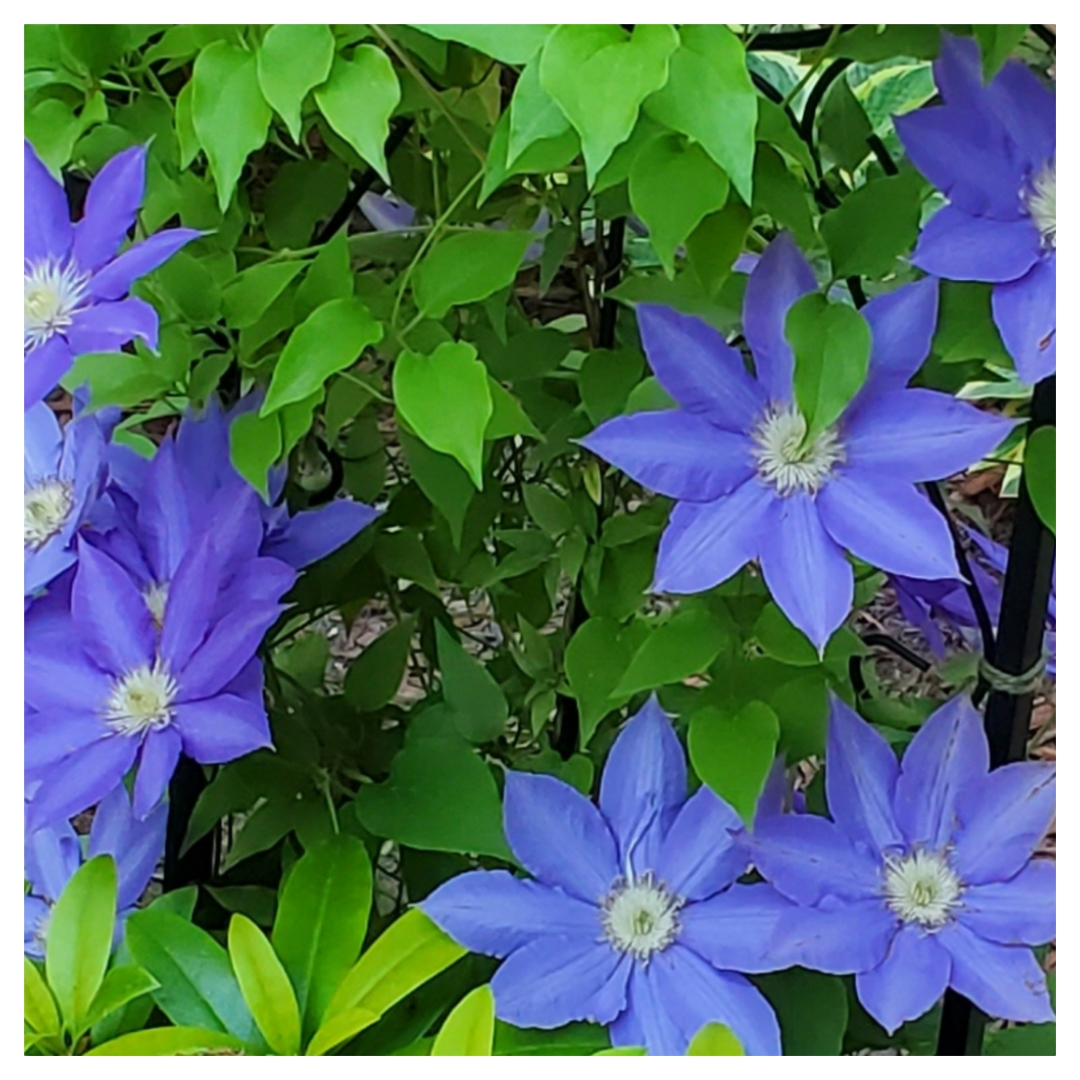
Clematis ‘H.F. Young (Clematis patens ‘H.F. Young’) is the other Clematis we grow in our 5B/6A garden. It’s totally hardy in Zone 4A, so it’s a shoo-in for our British Columbian garden, too. If you want to try one for yourself in 4A, what can you expect? First of all… big-ass blue blooms – up to 7″ or so across. And since it blooms prolifically on old AND new wood, and if you did the very minor necessary pruning the right way and at the right time, your H.F. Young is going to be coated in those gigantic blue flowers for a few solid weeks starting in the third week of May. And it’ll flower again – but less spectacularly – later in the summer. These vines can grow up to eight or nine feet in height, and spread to about 30″. Ours shares the Jackmanii’s wrought iron garden arch – but is planted on the opposite side – where the two vines mingle amiably and beautifully. Like the Jackmanii, this vine likes its roots to remain cool in the summer. Provide those roots shade with nearby, tap-rooted plantings, if possible. Larger bushes with extensive fibrous root systems – like Rhododendrons – can potentially choke out an H. F. Young.
In terms of climbing vines in Hardiness Zone 4A that are gorgeous and tough no-brainers, for my money, it’s Clematis Jackmanii and H.F. Young all the way.

The Renaissance Garden Guy is a participant in the Bluehost affiliate program. The Renaissance Garden Guy earns a fee/commission each time a visitor clicks on a Bluehost ad or banner in this site and makes a subsequent qualifying purchase. For more details, and for a full list of this site’s affiliate partners, please visit The Renaissance Garden Guy Disclosure page.
Climbing Hydrangea (Hydrangea petiolaris): Slow to Start but Big and Bad
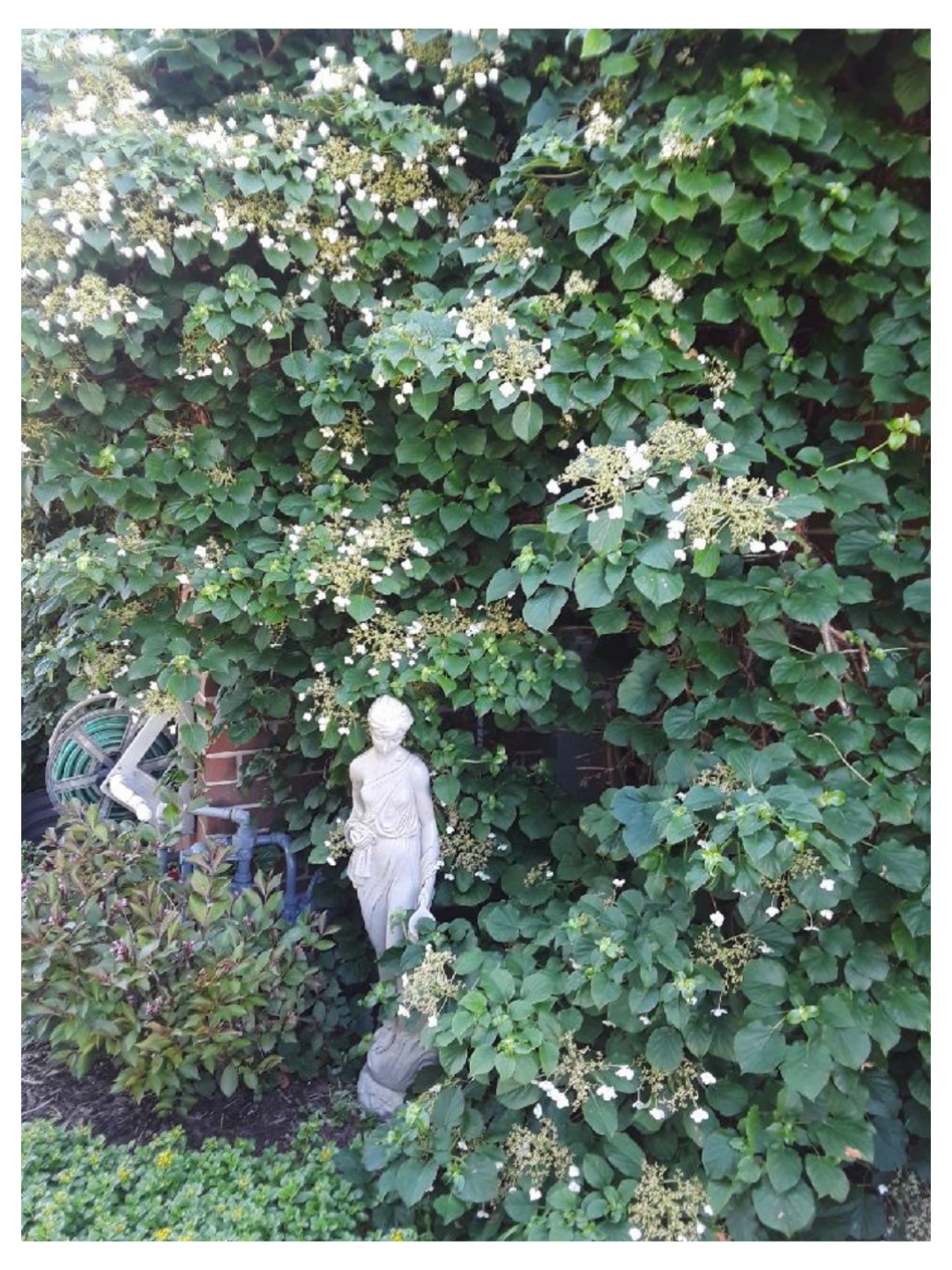
If you’re looking to visually obliterate a trellis or arbor in your Zone 4A garden (or the entire side of your Zone 4A house) by enshrouding it in a massive expanse of dense green leaves and copious clusters of dazzling white flowers, then plant yourself a few Climbing Hydrangea (Hydrangea petiolaris) vines. We currently grow four of these badassed vines in our 5B/6A Michiana Shores garden, and we’ve got friends in other Indiana towns that grow them, too.
So, I feel fairly qualified to tell you a few things about these massive, Zone 4A-friendly vines:
Big and beautiful, but slow to start and sticky. Did I mention that they’re massive? At least they’ll get to be that way. They can grow to heights of well over 50 feet, and substantially over 6 feet in width. When they’re full-grown, a few of these vines growing together can easily obscure one full side of a 4-story building. Yep. They’re definitely capable of doing that. And they do bloom beautifully in large clusters of gorgeous white flowers in late spring and early summer. But there are two things to keep in mind here. The first is that it takes them four or five years after they’ve been planted to really shoot up in size and to start blooming profusely – they’re slow starters but spectacular finishers. The second thing you need to know is that they attach themselves to vertical and horizontal surfaces by virtue of their aerial roots. These aerial roots appear at nodal and internodal locations along the vine’s aerial stems, and anchor themselves to any porous or semi-porous vertical/horizontal surface such as wood siding or trellis and arbor components, and masonry or stone walls. Because these aerial roots typically remain moist as a result of their absorbtion of water and nutrients from the air, and because they seem to literally “dig in” to a porous/semi-porous surface, their attachment to exterior wood-sided walls and/or the mortar joints of masonry walls can prove to be damaging. Ours grow on a dedicated arbor and trellis structure that allows them to attach to its wood surfaces and climb without coming into contact with the wood siding of the house.
Keep them moist. Climbing Hydrangeas have an extensively wide, but not exceptionally deep subterranean root system, and they like to grow in moist, well-drained soil. Keep them watered. It’s important.
Sunny or shady is good. No pruning necessary. They’re happy in partial sun to shade, and although they require no pruning to get them to bloom, trimming them to maintain them at a certain size and shape is a good idea.
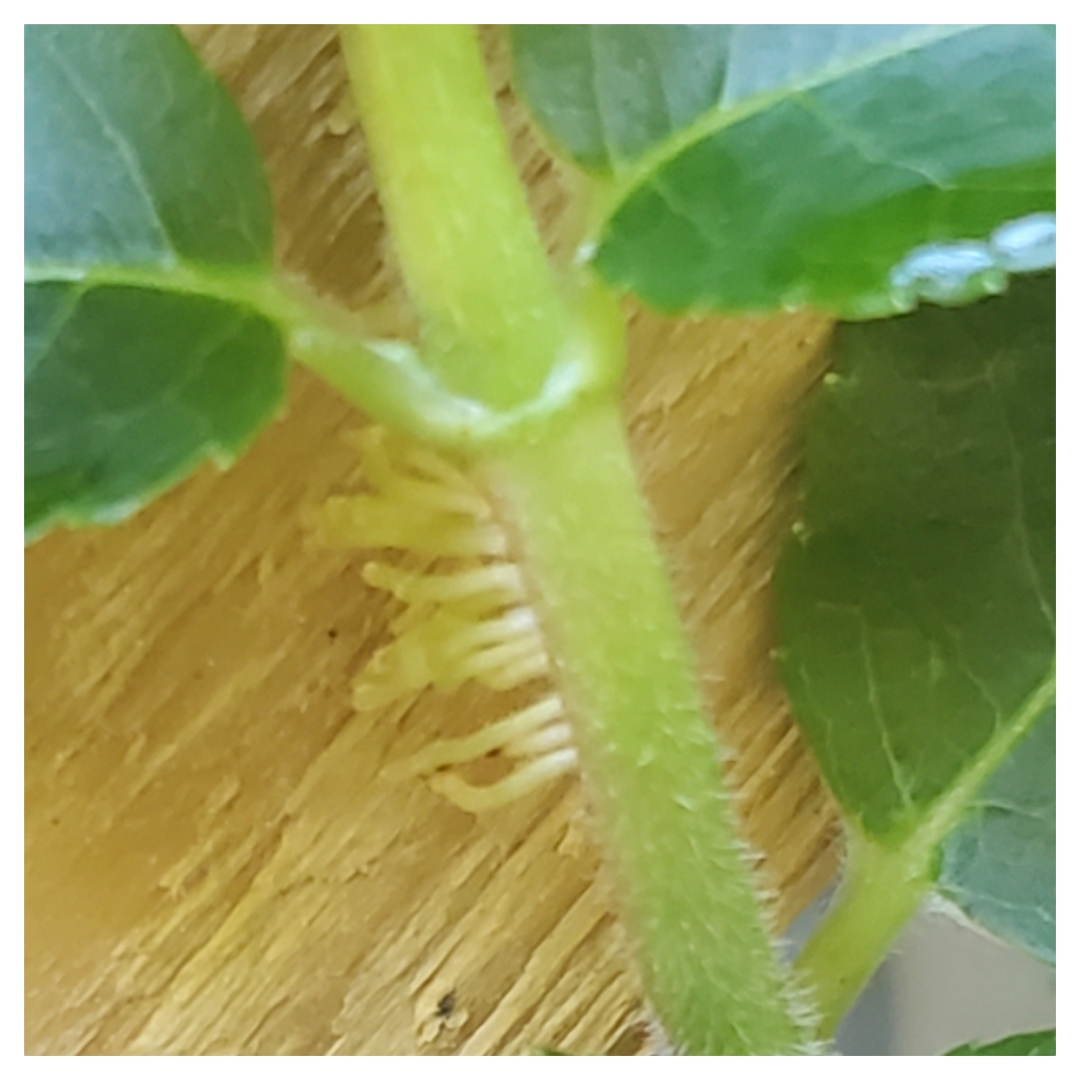
The Climbing Hydrangea is a magnificent upwardly-mobile vine. Once it’s mature, it’s majestically beautiful, spectacularly expansive, and luxuriously lush. If you’ve got a Zone 4A garden, a blank but hospitable wall situated in a partially sunny to partially shady spot somewhere in it, and a little bit of patience, why not plant yourself a few of these bodacious climbers?
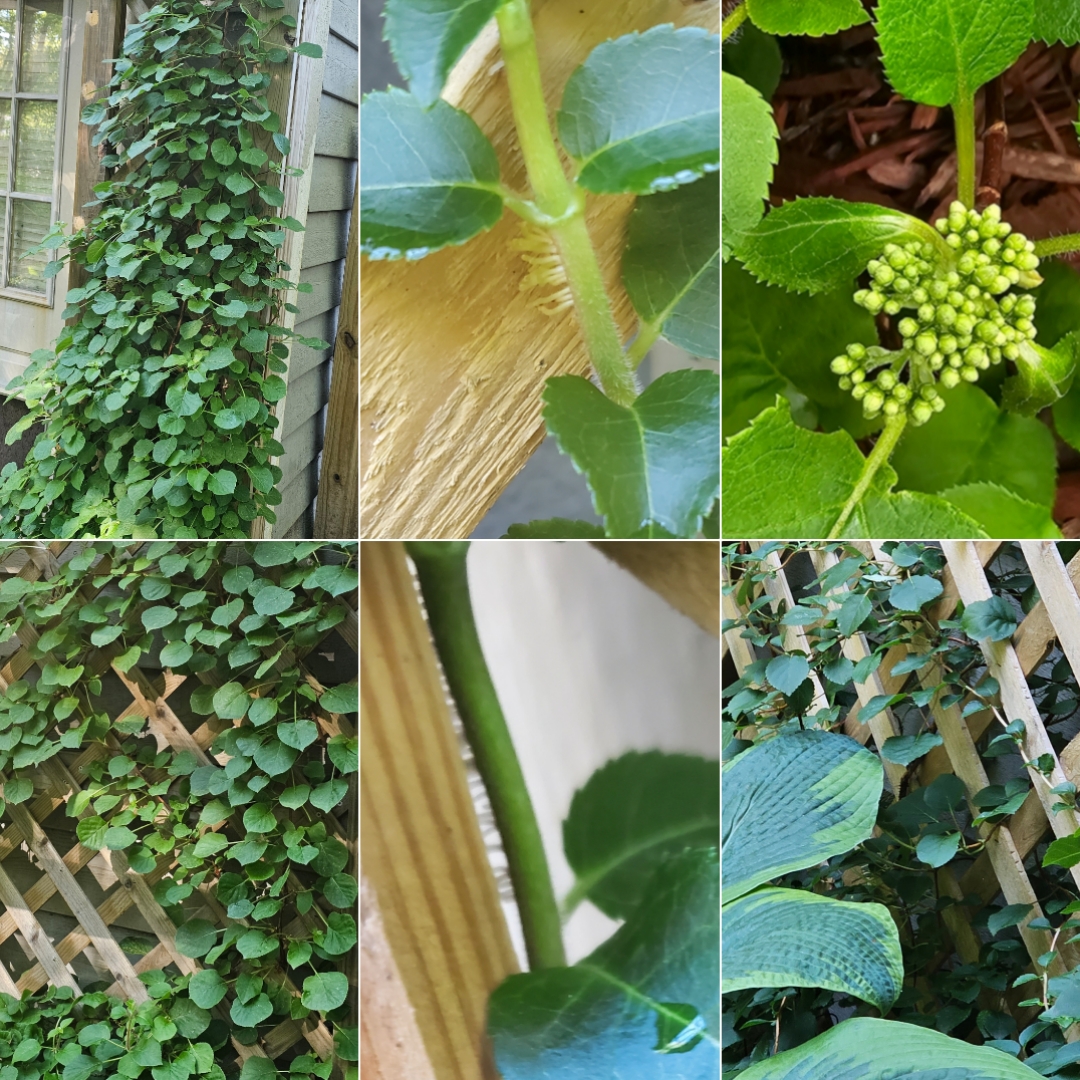
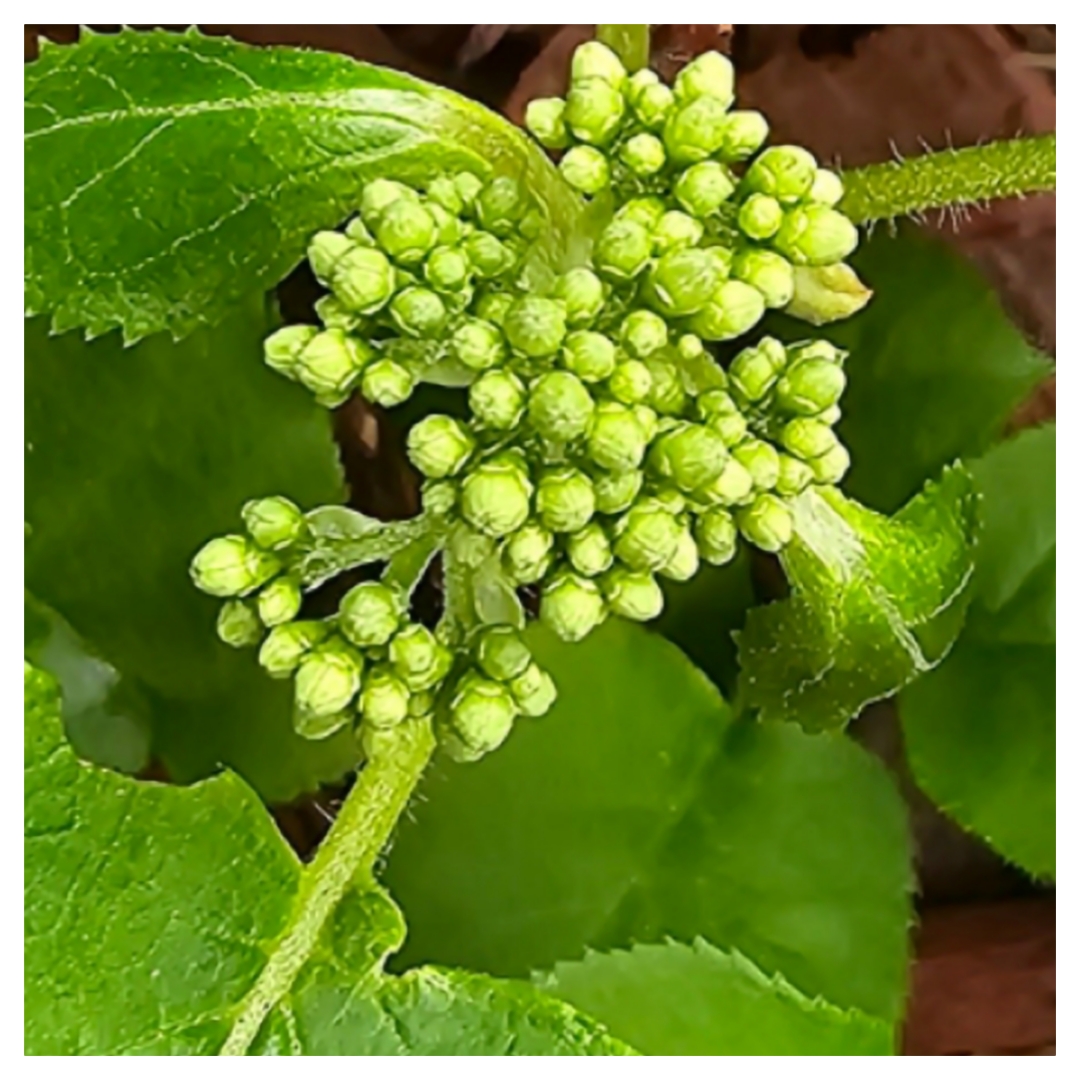

Two Kinds of Climbing Vines in Hardiness Zone 4A, Direct from 5B, 6A, and Even 7!
If you’re looking to grow climbing vines in Hardiness Zone 4A, Clematis and Climbing Hydrangea vines are two of your best bets. They’re absolute climbing stars in Hardiness Zones 4A through Zone 7 (as Ann’s Vancouver Jackmanii attests) gardens. When our move to the 4A part of British Columbia goes down, we’ll be growing these vines in our garden there, and I’ll be writing about their progress and keeping RGG subscribers and readers in the loop with pics and commentary. And, please remember, this is only the first of 8 parts of a photo-intensive catalog of all the plants we currently grow in Zone 5B/6A and will be growing in 4A. Of special note is the fact that each of the subsequent 7 parts will be much lighter on writing, and much more photo-laden. A picture is worth way more than a thousand words every time. As an FYI, next up in this 8-parter is “Foliage-intensive Perennials in Hardiness Zone 4A.” Hang tight. It’s coming soon.
Cheers, and Happy Gardening!
John Stamos is a writer and is co-publisher of The Renaissance Garden Guy. His work has appeared in a number of publications including, most recently, A Man for Some Seasons, Splice Today, and, of course, The Renaissance Garden Guy. He is married to his multitalented sweetheart, the mycologist and writer Ann Simpson-Stamos.

The Renaissance Garden Guy is a participant in the Amazon Associates Program. As an Amazon Associate, The Renaissance Garden Guy earns from qualifying purchases.
Additionally, The Renaissance Garden Guy is a participant in the Bluehost, SeedsNow, and hosting.com (formerly A2 Hosting) affiliate programs. The Renaissance Garden Guy earns a fee/commission each time a visitor clicks on an ad or banner in this site from one of these companies and makes a subsequent qualifying purchase.
Please click here to view The Renaissance Garden Guy Disclosure page.


Very informative and interesting.
Good luck with your new garden.
I am certain it will be beautiful.🪴
Thank you so much, Roxxy! I’m so glad you found the info interesting. I’m hoping that some of the articles in this series might inspire you to grow some of these beauties in your own garden one day! Thank you again, Roxxy. I appreciate your interest in the piece, and your very kind wishes.
Lots of great information. I did not know that these two plants can survive at those temperatures . Good luck with your new garden. These vines will make a wonderful addition. I look forward to hearing more about your Canadian adventure!
Thank you for reading the piece, Kevin, and for your kind words and wishes. I truly appreciate that. It’s really amazing how many Midwest-friendly, milder climate perennials are hardy in Zone 4A. There’s a bunch more, and I’m writing about them in the next 7 parts. Stay tuned, and thanks again!
Very exciting that many of your current plants can also be cultivated in Canada. Best wishes for a happy move and happy new life with Ann.
Thank you so much, Rick. We appreciate your lovely thoughts and kind wishes. It was definitely exciting to realize, once I started taking stock, that such a huge number of what’s growing here in the Michiana Shores garden can be easily grown in BC. I think that the next 7 parts of this cataloging will really surprise a lot of readers – particularly those readers who garden. Thanks once again for your kindness, Rick. And thank you for reading the piece.
Hi John
Yes, it sure will be a different garden world up there. Just as I found out when I moved to Phoenix from Northwest Indiana. What grew there hadn’t a chance here come summer.
Best of luck on your new adventure.
Many thanks, Scott. I appreciate your reading the piece, and I’m very grateful for your kind wishes. It’s actually surprising that so many perennials that grow successfully in Michiana Shores are also hardy enough to tough out the cold 4A winters in Canada. It seems that the extreme heat in Arizona is a more substantial limiting factor. Thanks once again, Scott. Your kindness is truly appreciated.
Reading your garden features reminds me of how little I know about many plants outside of the region I live in! It will be fun to see which plants end up doing well in the British Columbia climate!
Thank you so much for reading the article, Lisa. With the exception of my inability to add 1 and 6 (stupid typo I missed, but, thankfully, Ann caught), I was pretty pleased with this piece. The next seven articles will have less writing and more photos. It really is amazing how cold-hardy so many ornamental, cultivated, and native perennials really are. I’d be curious to know if any of these end up in your West Coast garden. Thanks again, Lisa!