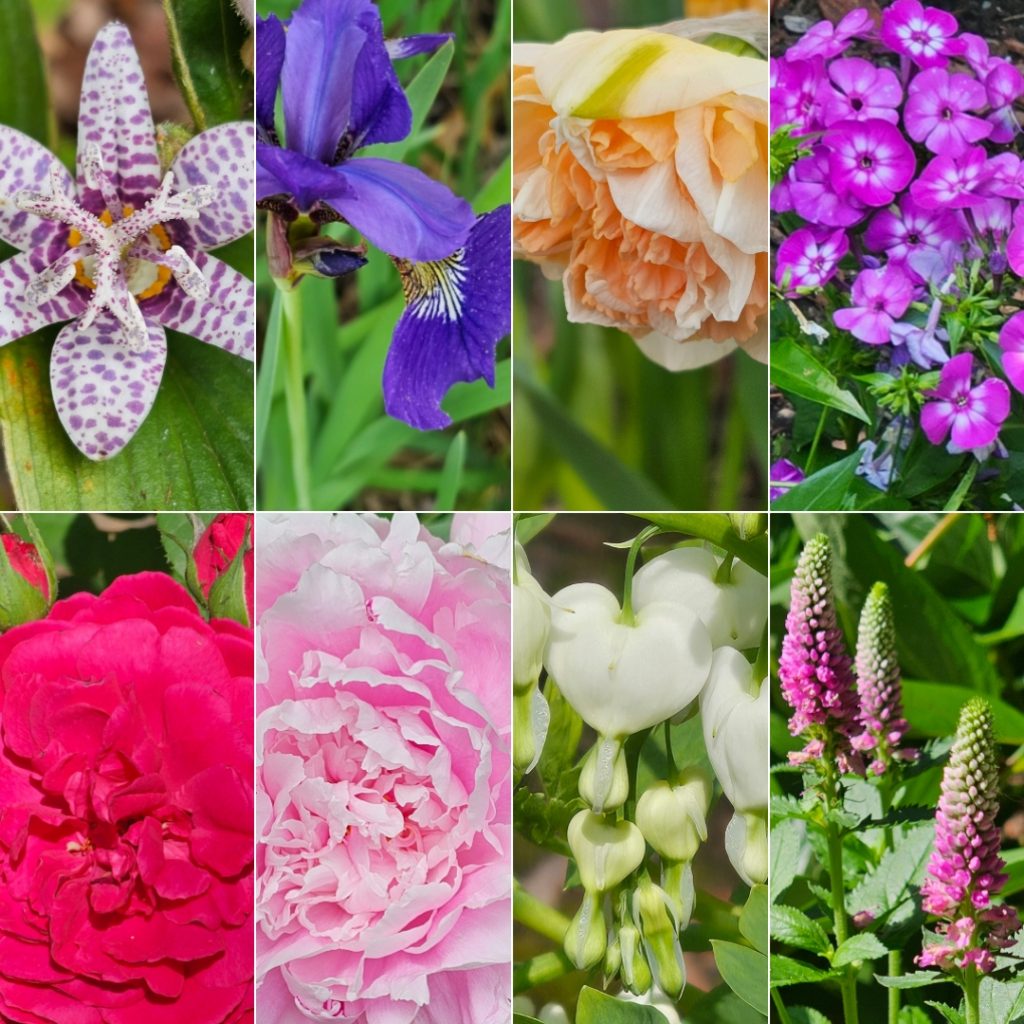

Power Flowerers in Hardiness Zone 4A
The RGG’s Midwest garden is moving to the comparatively chilly climes of Western Canada. See which plants that bloom like crazy in Michiana Shores’ Hardiness Zone 5B/6A will likewise be power flowerers in Hardiness Zone 4A in British Columbia. Surprisingly, there are a whole bunch of them!
By John G. Stamos

Redundancy alert! Since this article is Part 5 of an 8-part series on plants that can be grown in our forthcoming Hardiness Zone 4A garden, and since I’m lazy, I’ve chosen to include the next four paragraphs – exactly as they appear here – as an introduction to all 8 parts of the series. So, if you’ve read the series’ first part (“Climbing Vines in Hardiness Zone 4A”) from its very beginning, you may remember what these next four paragraphs include. So, feel free to blow them off and get right into the article that follows them. Trust me. You won’t hurt my feelings.
J.G.S.
Regular RGG readers and subscribers may know that I’m planning for a move to British Columbia, Canada, where my wife Ann, my pup Holly, and I will make our home. The move itself, and all of its implications, present a number of challenges on a number of different fronts. One of those challenges will be attempting to replicate – or at least approximate – the garden I designed, developed, and currently tend here in Michiana Shores, Indiana, in USDA Hardiness Zone 5B/6A. For the past six years, that garden has dutifully served as a contextual backdrop and unifying theme for this publication. In terms of its make-up, it’s a densely planted amalgam of ornamental perennial trees, bushes, and plants. Some of these trees, bushes, and plants are cultivated, and some are native and wild. Some are deciduous, some are herbaceous, and some are evergreen. All grow beautifully and happily in Zone 5B/6A. Since Ann, Holly, and I love that garden and all the things that grow there, we’d love to try to grow as many of those same things in British Columbia as we possibly can. But the part of British Columbia where we’ll be living is located in USDA Hardiness Zone 4A (where temperatures can plummet to -30° Fahrenheit and lower), so, since a number of the Michiana Shores garden’s denizens are not hardy in zones lower than 5, we’ll need to be selective.
Fortunately, we won’t need to be too selective. And that’s where this feature, which is essentially a pictorial spread peppered with a dash of helpful info, comes in. This article, along with seven others, serves as an 8-part, full-color manual outlining some favorites from our current 5B/6A Michiana Shores garden that will thrive just as beautifully in British Columbia’s more frigid Zone 4A.
In this series of features, you’ll learn which of one particular Midwest Zone 5B/6A garden’s vines and climbers, foliage-intensive perennials, bodacious bushes and trees, early bloomers, power flowerers, lilies and daylilies, spreading and naturalizing groundcovers, and wildflowers and native perennials can make the successful leap to the higher latitudes and lower temperatures of British Columbia’s chilly Zone 4A. For a closer visual inspection of the plants discussed in this article, please be sure to click on their photos below. When you do, you’ll be able to enlarge, minimize, or zoom in or out on them. Pretty handy, no?
Note to readers: Before you set your heart on a particular Zone 4A-capable plant for your own British Columbian garden, I highly recommend a visit to The Invasive Species Council of British Columbia’s excellent website: Click here to plan ahead.
From Indiana to British Columbia… Our Choicest Power Flowerers in Hardiness Zone 4A
Herein lie our choices… the perennial plants that currently bloom in such full-on fashion in our Hardiness Zone 5B/6A Michiana Shores garden here in the Midwest will likewise be blooming in full-on fashion for us in British Columbia’s Zone 4A. Ann and I love them for their beauty and for the fact that all of them will easily stand up to those frigid Western Canadian winters. There are eight selections here, and quite a few photos to go along with them, so, this piece will be comparatively short on words. It’s mostly pics in this one, sports fans, with the barest amount of info (but with helpful links if you want to delve more deeply into the nuts and bolts of each plant). If you grow an ornamental garden in Zone 4A and haven’t tried any of these, but would like to, there’s enough here to give you a little more than just an intro to each of them.

1. Bush Peony (Paeonia lactiflora): Queen of the Garden
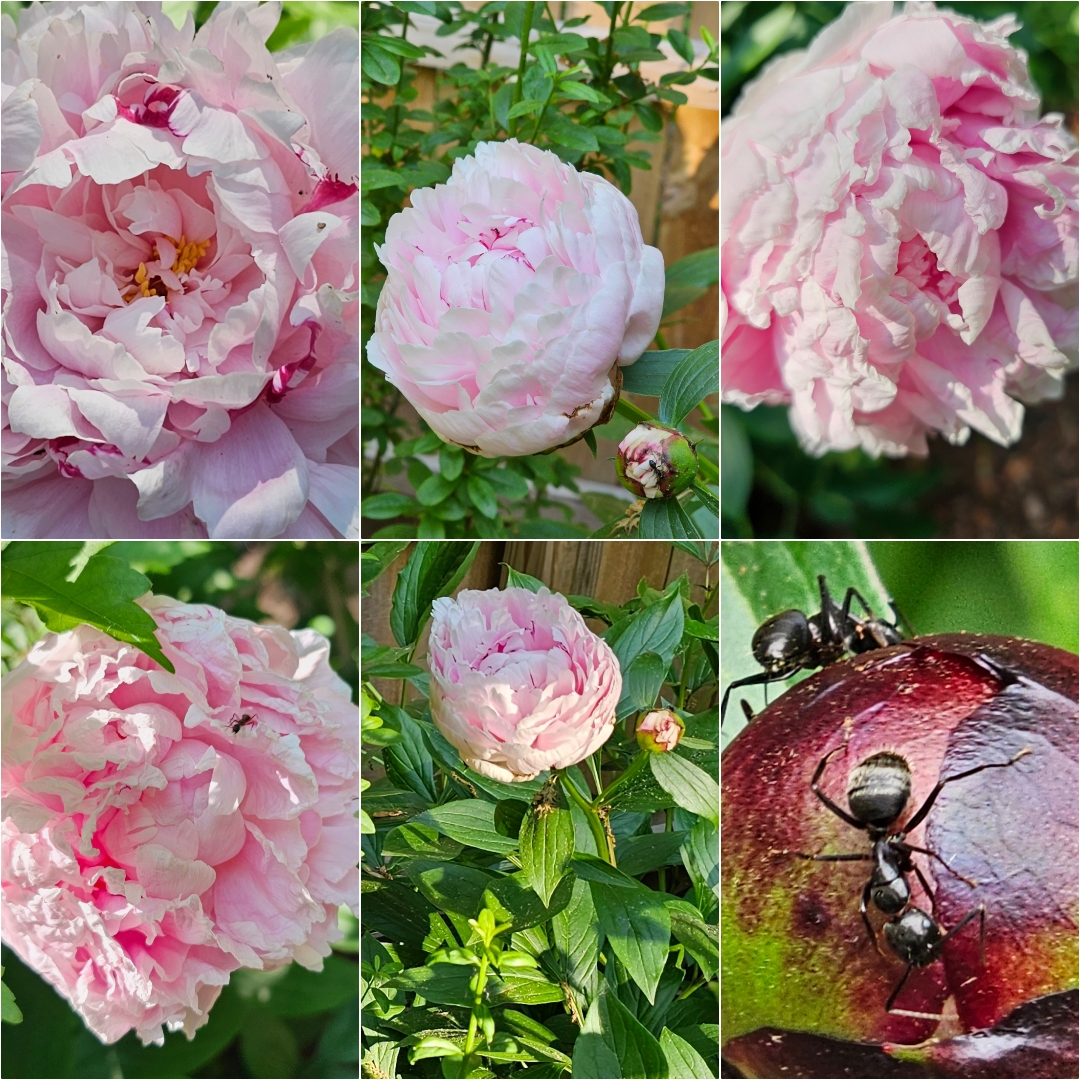
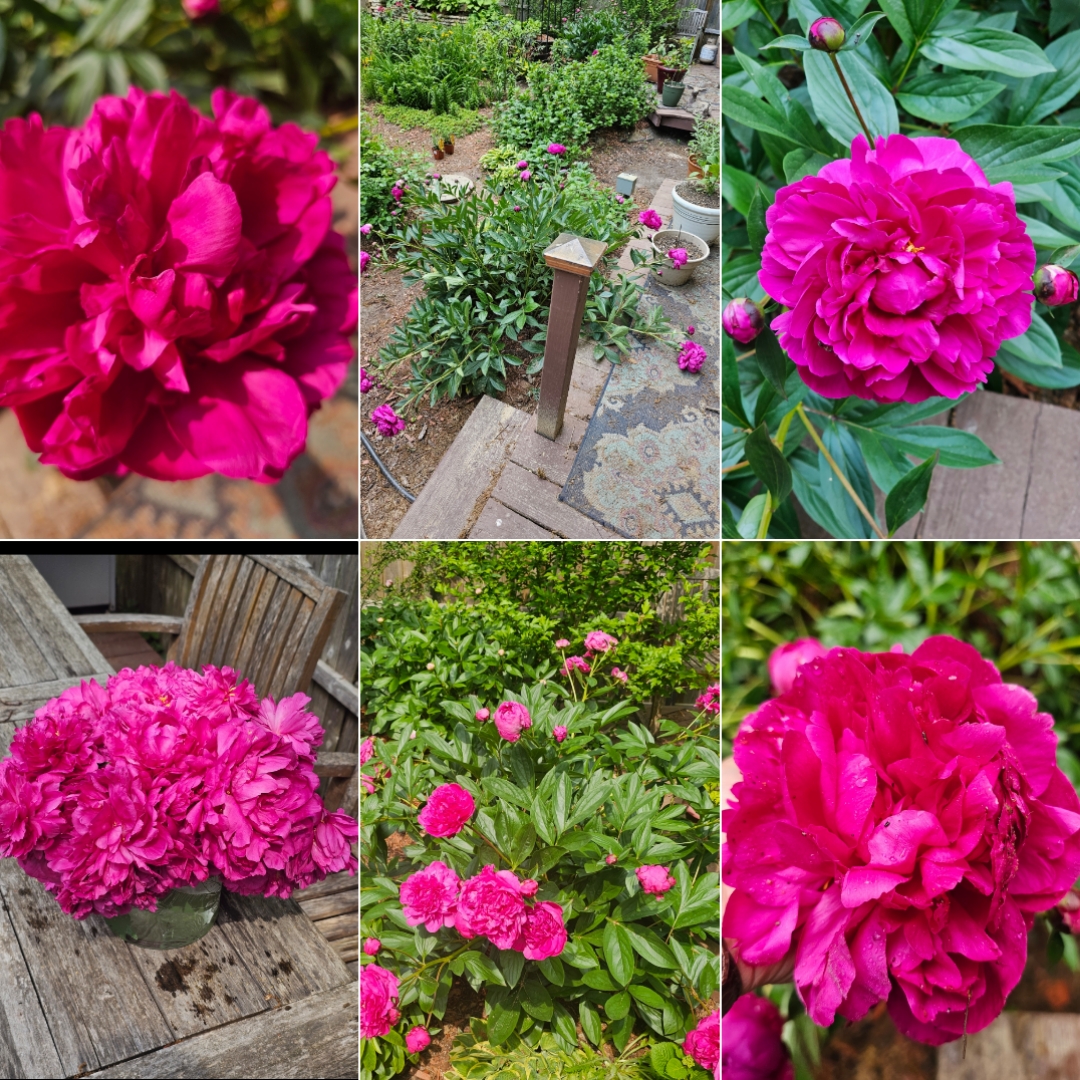
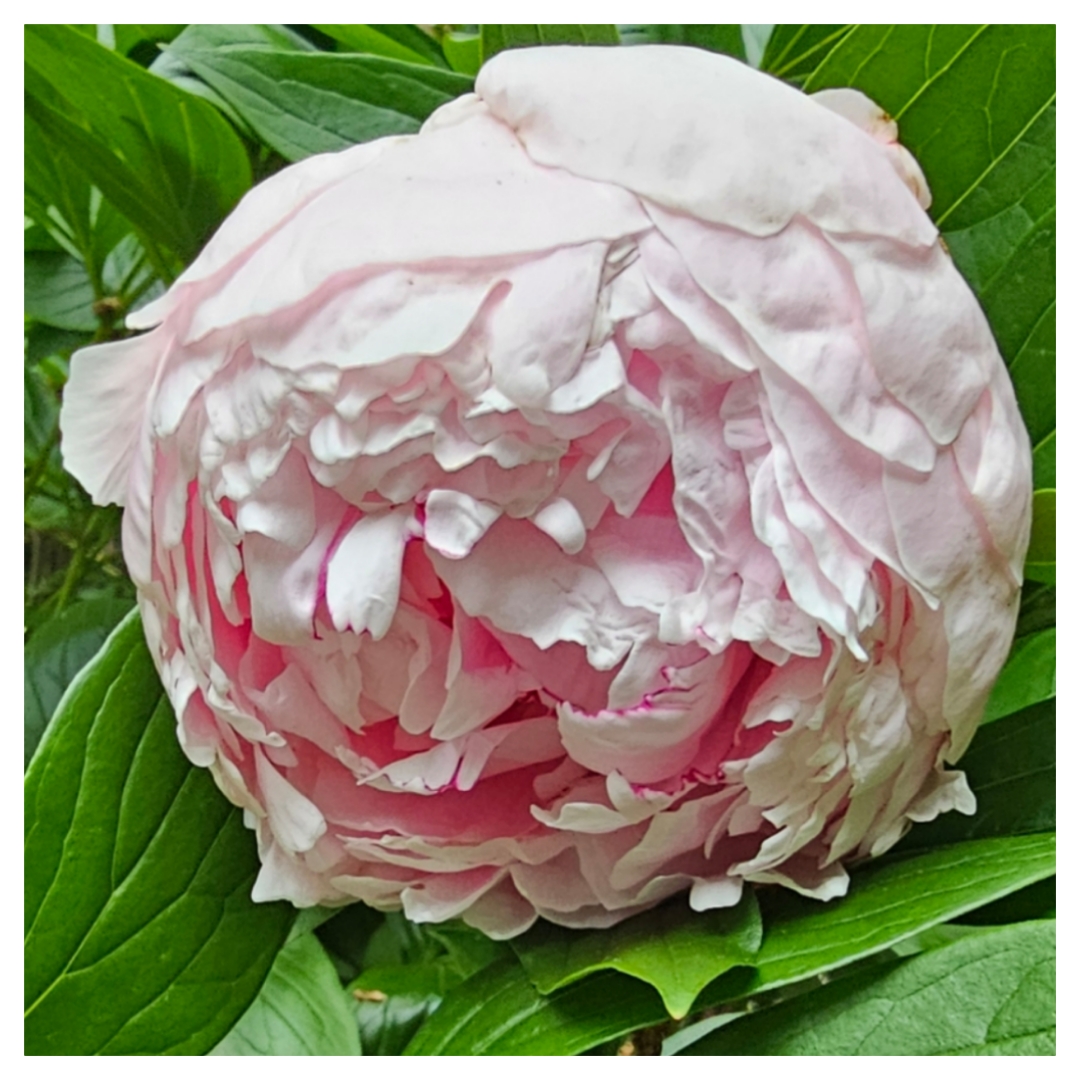
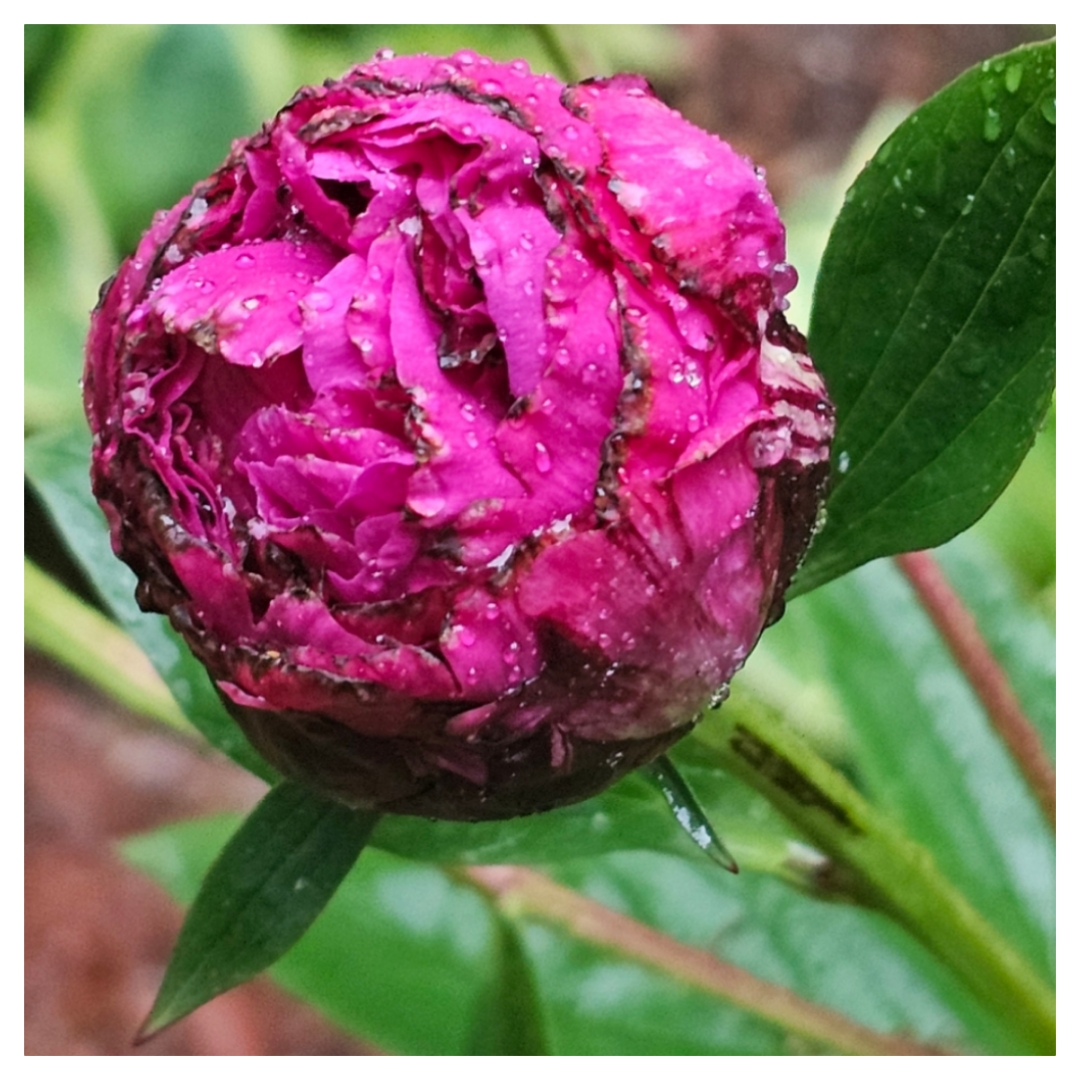
Cultivated Peonies, including the super-hardy, long-lived, and beautiful Bush Peony (Paeonia lactiflora), as a group, have been gracing ornamental gardens with their presence for centuries, and have deservedly garnered the moniker “Queen of the Garden” for their efforts. There are currently four Bush Peonies growing in our Michiana Shores garden – two ‘Sarah Bernhardt’ bushes (in cultivation since 1906) and two ‘Felix Crousse’ bushes (in cultivation since 1881) – and they’re easily among the most beautiful, easy to care for, and cold hardy perennials we’ve ever grown. (In addition to those four bushes, there’s also a fabulous Itoh, or Intersectional, Peony in residence there. But I’m saving that one for another article.) Although this particular article isn’t going into any real depth regarding the intricacies of the taxonomy/biology/care regimen of these beauties, but rather emphasizes mostly just the fact that we’ll be growing them, along with 7 other cold-hardy power flowerers, in Hardiness Zone 4A, you can still get an in-depth take on Bush Peonies in my 2024 article, “How to Grow and Care for Bush Peonies”. In that article, there’s also a bit of info on Itoh and Tree Peonies. It’s very comprehensive, and I highly recommend giving it a read if you’re looking to grow Bush Peonies in Zone 4A for yourself. In the meantime, here are some pics of, and a smattering of helpful info about, the Queen of the Garden.
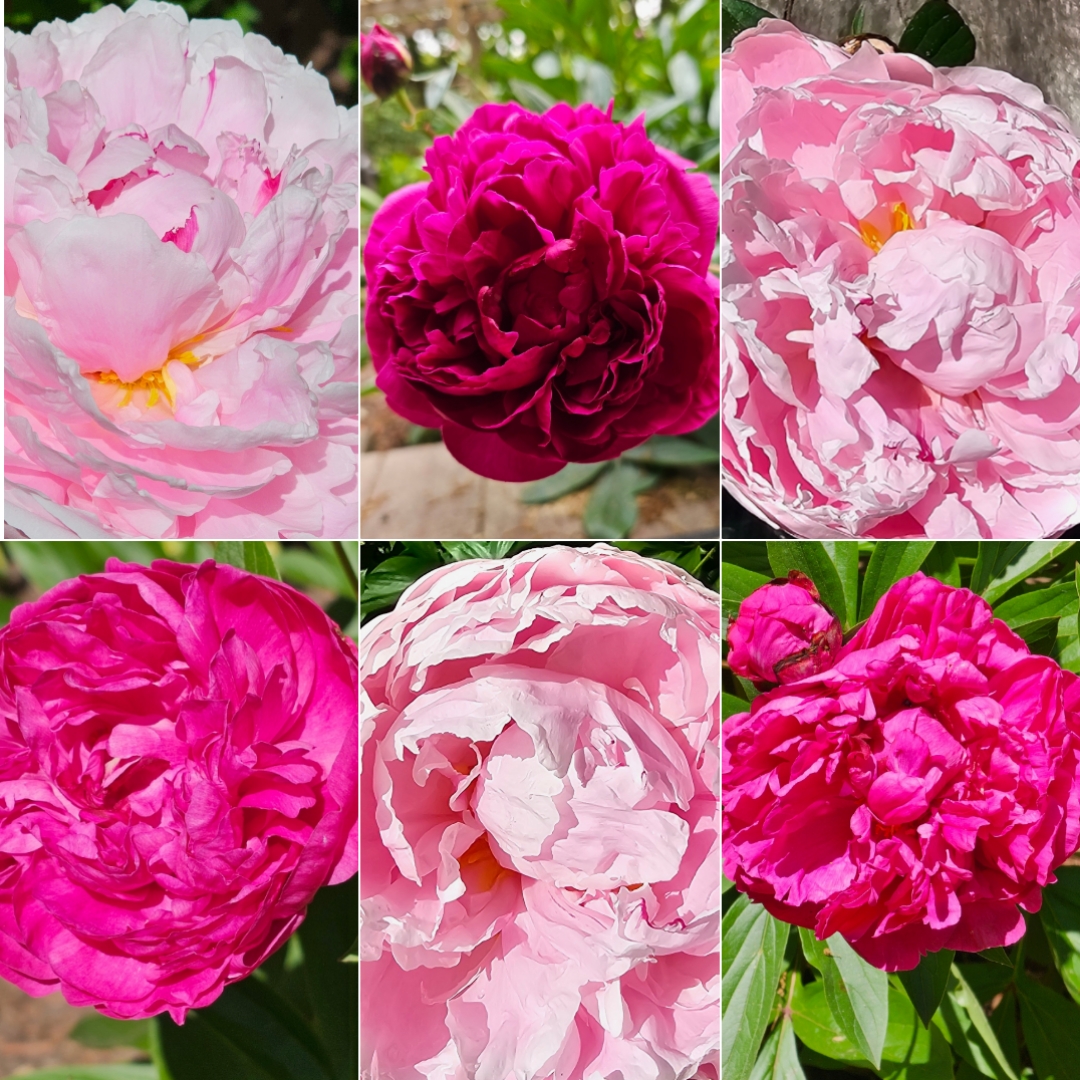
Blooms. Gorgeous, often exceedingly fragrant, enormous single or double flowers (depending on the variety) that will definitely need staking once they’ve fully opened -particularly after a rain.
Bloom time. Generally mid May through early June across all of their tolerated Hardiness Zones.
Sunlight. Full to partial sun, depending on the variety.
Hardiness. Zones 3A through 8B. They need periods of cold in order to flower. Although they might survive in Hardiness Zones warmer than 8B, they definitely will not bloom.
Roots. Massive, fleshy, complex, and extensive. A mature Bush Peony’s root ball can weigh up to 75 pounds. Don’t try to transplant one. They don’t like being moved.
Soil. Slightly acidic to neutral. Very well-draining. They don’t like to be soggy.
Foliage. Herbaceous. Bush Peonies die back to the ground in late fall, and emerge the following spring, generally in early April.
Toxicity. Mildly toxic to humans and pets.
Looking for power flowerers in Hardiness Zone 4A that’ll be excellent candidates for your own cold-weather blooming haven? If so, the Queen of the Garden should be at the top of your list.

2. Daffodil (Narcissus): An Early Riser
Who doesn’t love Daffodils? Axe murderers? Beauty-averse contrarians? Psychopaths? Deer? Rodents? In fact, all of the above. As far as the first three are concerned, there’s just no accounting for taste. I’ll write them off and instead focus on the last two groups: Since Daffodils are represented by the 50-60 species (and innumerable hybrids, varieties, etc.) of the ancient plant genus Narcissus, which in turn is part of the plant family Amaryllidaceae (a family that includes close cousins of the Daffodil, namely onions), and since all Narcissus species (along with most of the other genera of the family Amaryllidaceae) grow from bulbs (which are almost always toxic), it’s easy to understand why deer and rodents don’t eat them. Why eat something that’s poisonous and onion-flavored when there’s all sorts of other tastier, healthier shit to wipe out in some poor bastard’s ornamental garden? Get the picture?
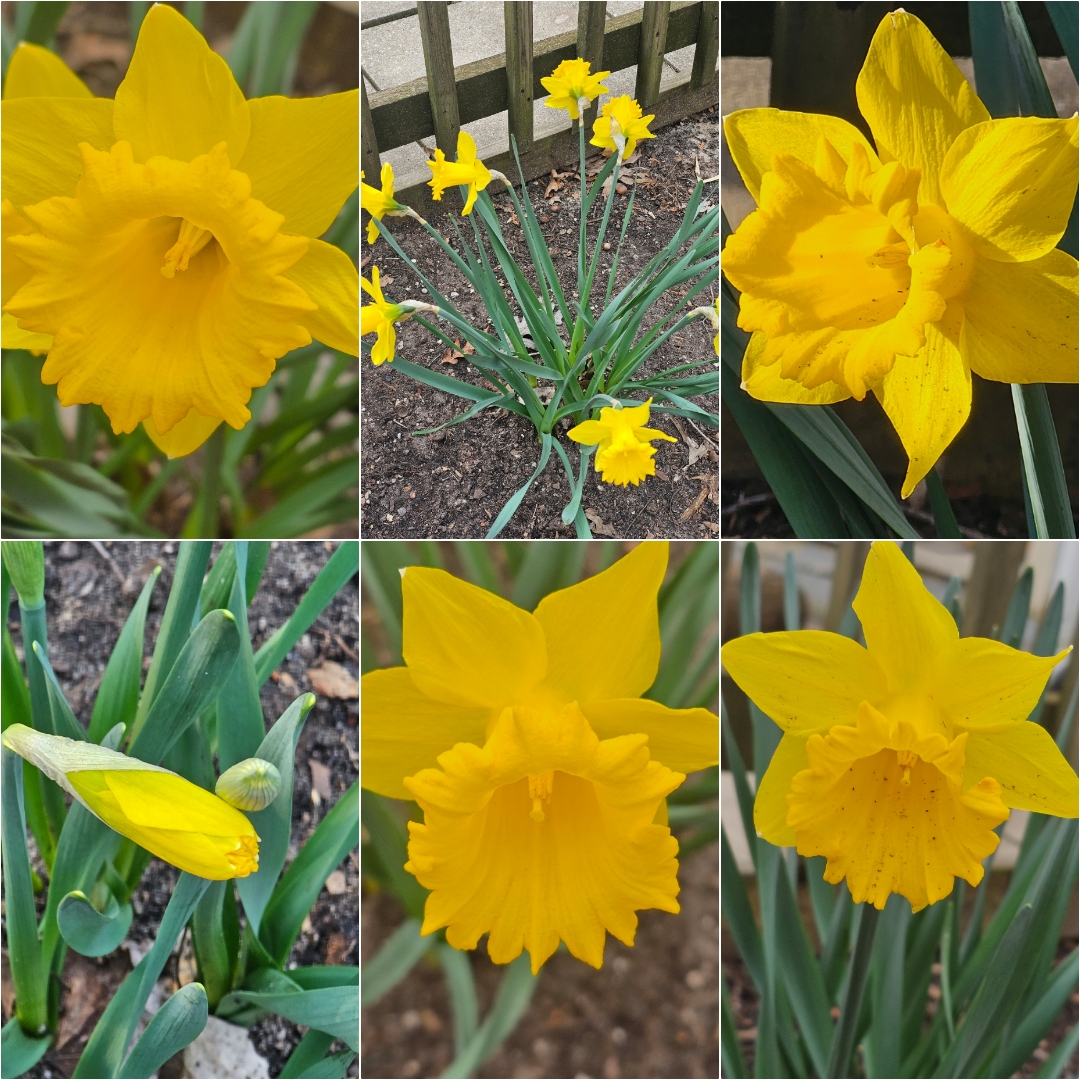
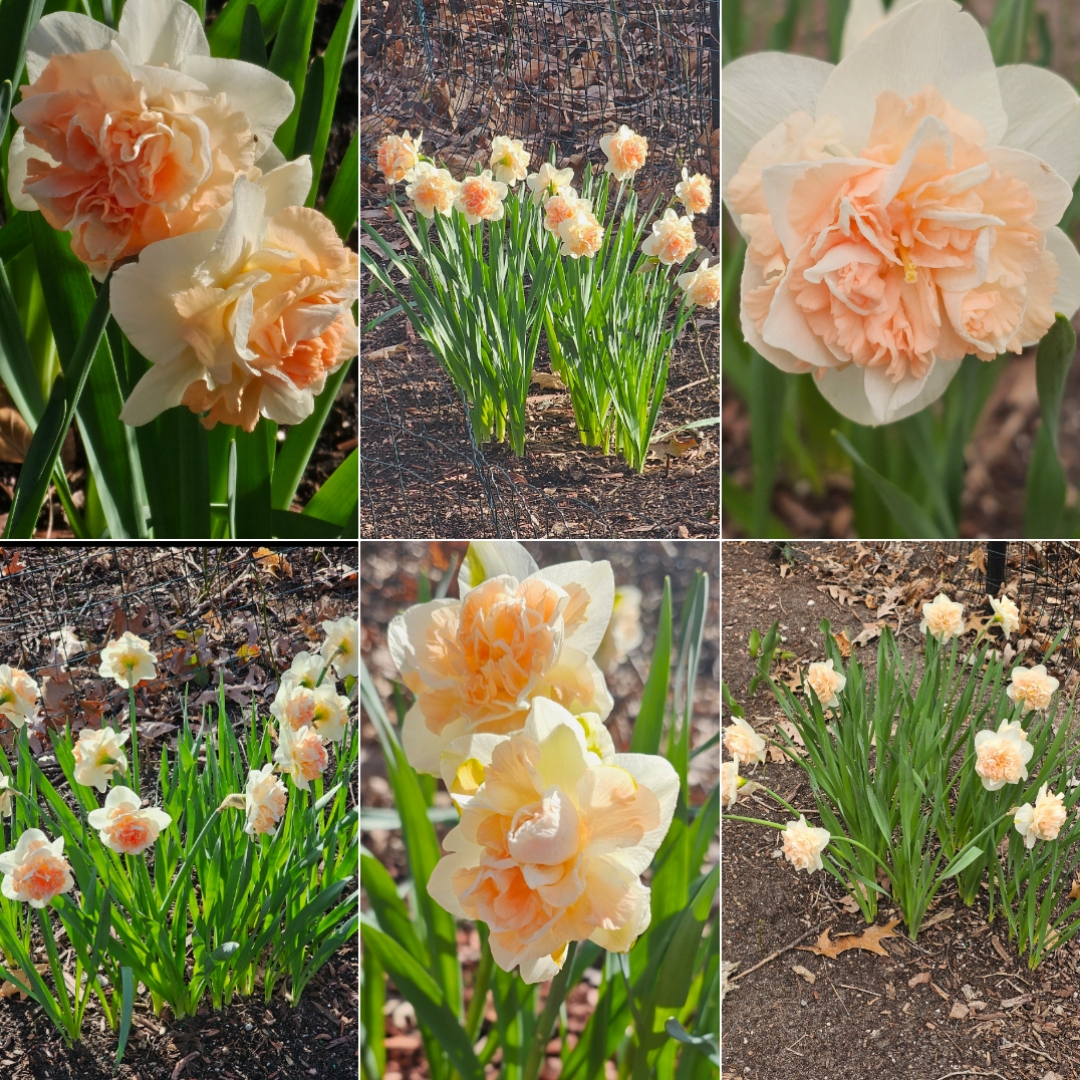
I love our Michiana Shores garden’s Daffodil colonies. I don’t even know to which species, hybrid, cross, variety, etc. any of them belong, but I do know that they bloom early enough in the year for me to have considered including them in this series’ previous installment, “Early Bloomers in Hardiness Zone 4A”. But their blooms are so awesome, it’s here among our future Western Canadian power flowerer ranks they’ve landed. Below, you’ll see some photos of some of our Michiana Shores dandies, and you’ll get just a enough info about them to hopefully help you consider them for your own collection of power flowerers in Hardiness Zone 4A. For more in-depth info on Daffodils, please do check out my 2023 article, “5 Great Bulbs for Fall Planting”. The main takeaway here is that they’ll be power flowerers in Hardiness Zone 4A for us in British Columbia’s frostier nether regions, and for now, I’ll dial you in with the following pics and basic info in case you want to grow them for yourself:
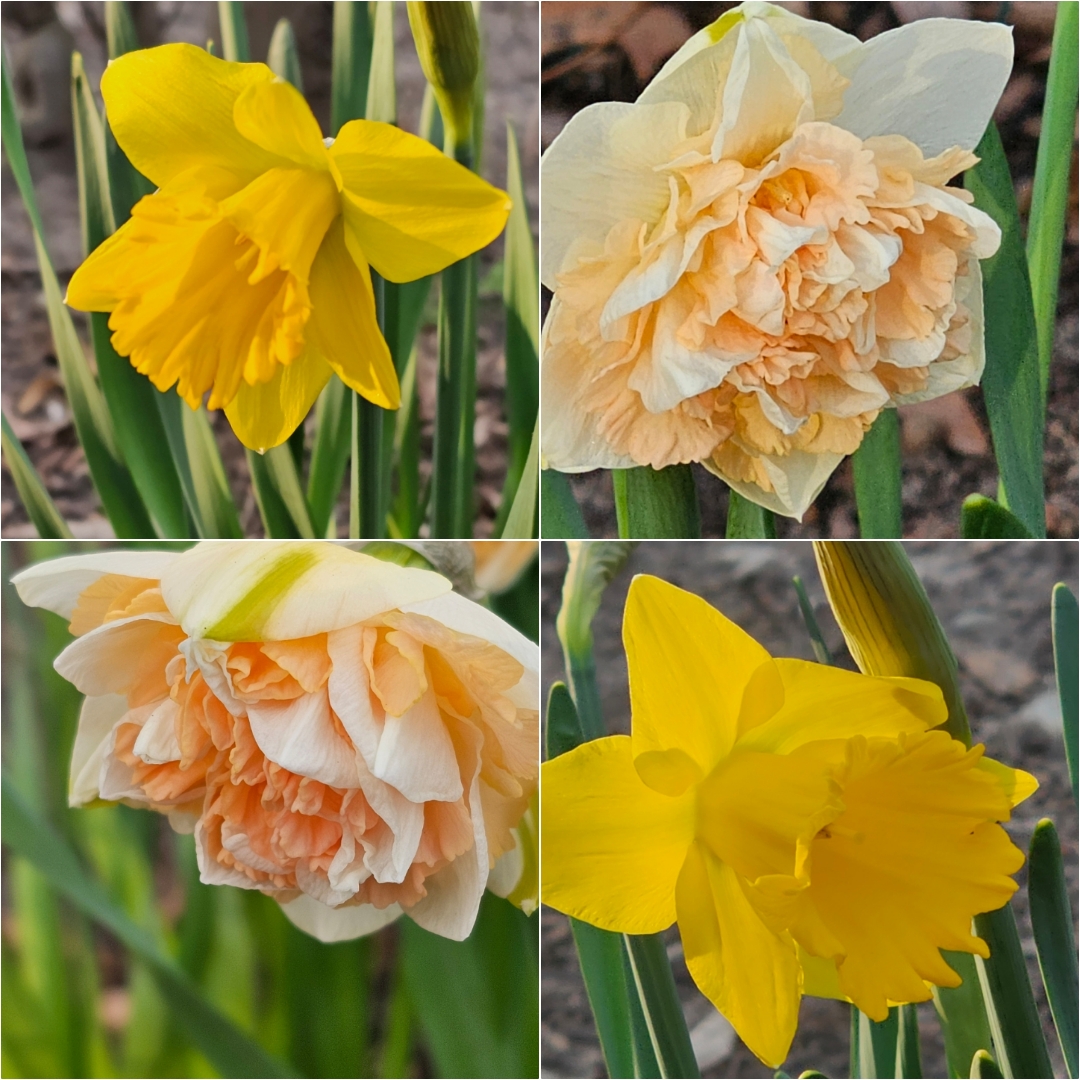
Blooms. Almost limitless in color. There can be single-stemmed. single-flowered species/varieties, or those with multiple stems and/or multiple flowers per stem. Each flower can be single-formed, with one single corona (protruding central throat) surrounded by a single ring of tepals (petals), or double in form with a double-layered corona or a double-layered tepals, or both. In all cases, Daffodil flowers are spectacular in color and form.
Bloom time. Early April through early/mid May. They provide gorgeous early season color and are precocious enough to have been considered for inclusion in the previous Early Bloomers part of this 8-part series. It’s extremely heartening seeing clumps of nodding and waving Daffodil flowers in early spring.
Sunlight. Full sun to partial shade. They tend to do well in forested areas – they receive lots of sunlight while the tree canopy is bare and the weather is cooler, and they benefit from the increasing shade as temperatures climb and trees leaf out.
Hardiness. Zones 3A-8B. This makes them a perfect choice for us as power flowerers in Hardiness Zone 4A. They can really take the cold.
Roots. Bulbs, with roots extending downward and outward from the bottom of the bulb.
Soil. Well-drained and slightly acidic. They appreciate more water while their aerial structures are in full swing. Once Daffs go dormant, DO NOT overwater their bulbs!
Foliage. Perennial and ephemeral. As temperatures climb and spring progresses into summer, Daffodils disappear until the following late winter when they emerge from the soil.
Toxicity. All parts of these plants are substantially toxic to mammals, including humans and pets.

The Renaissance Garden Guy is a participant in the Bluehost affiliate program. The Renaissance Garden Guy earns a fee/commission each time a visitor clicks on a Bluehost ad or banner in this site and makes a subsequent qualifying purchase. For more details, and for a full list of this site’s affiliate partners, please visit The Renaissance Garden Guy Disclosure page.
3. Old-fashioned Bleeding Hearts (Dicentra spectabilis): Another Soon-to-be (Early) Power Flowerer in Hardiness Zone 4A
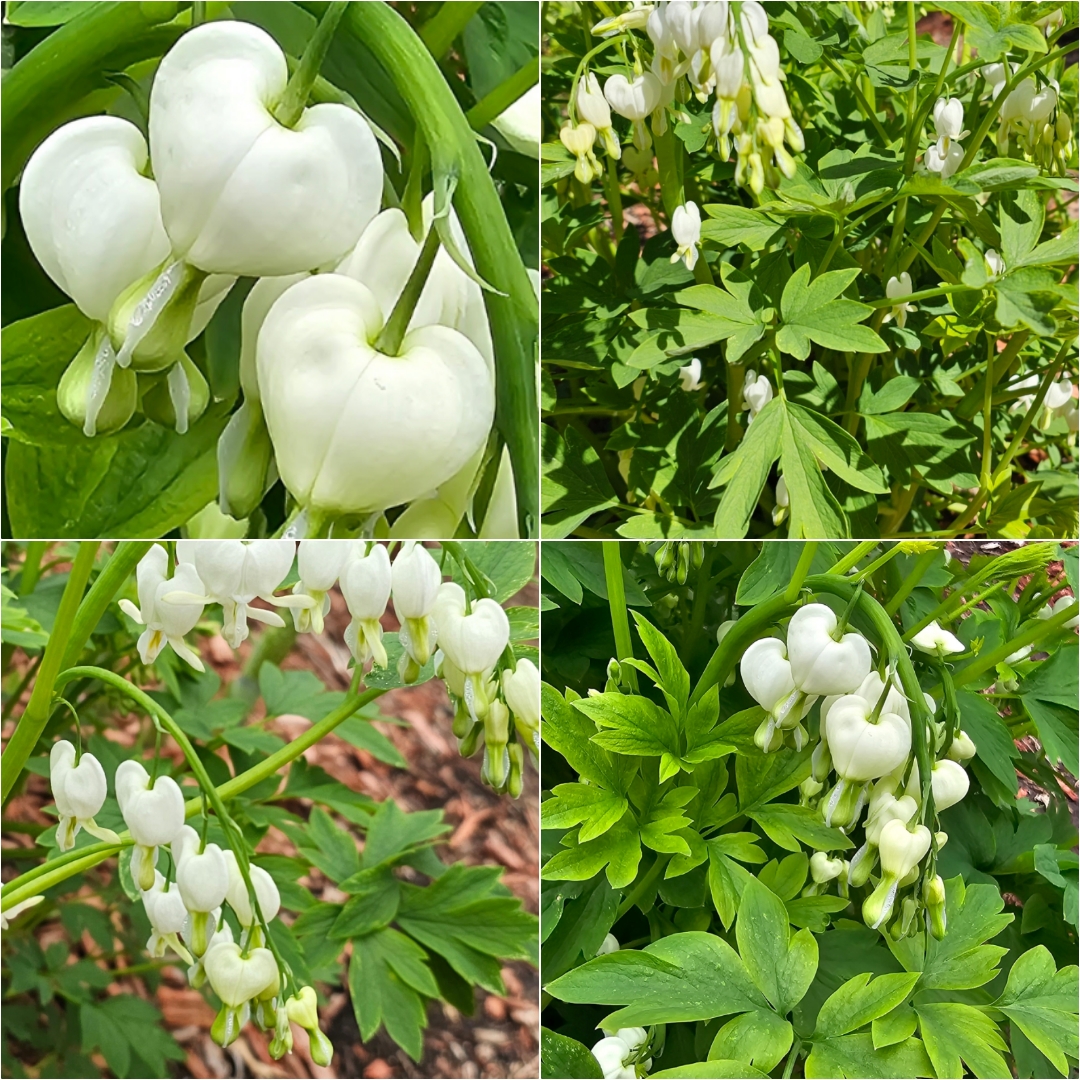
Here’s another prolific bloomer that probably would have been at home in this series’ previous “Early Bloomers in Hardiness Zone 4A” article since it not only blooms prolifically, it blooms early, usually beginning in mid April. The Old-fashioned Bleeding Heart is a long-time garden favorite, having been in cultivation for many centuries in the Far East, but making its way west within the last few hundred years – first, to Russia in 1740, and later to England where it was officially introduced as a cultivated perennial in 1846 or 1847 (depending on which source you believe). For years, the plant’s botanical name was Dicentra spectabilis, but it’s evidently been reclassified as Lamprocapnos spectabilis. Since the plant continues to be most frequently classified under the Dicentra genus (as a synonym by growers, nurseries, etc.), and since I pretty much just got the memo, for the purposes of this article, Dicentra spectabilis it remains. The examples that we grow in our Michiana Shores garden feature white blooms, and their patent name is Dicentra spectabilis ‘Alba’. You’ll see some pics below, along with a bit of helpful info. But, for a lot more of that helpful info, you’ll want to read about these amazing, incredibly hardy and long-lived herbaceous shrubs in my 2022 article “5 Awesome Perennials You Can Plant Right Now”. For now, there’s hopefully enough right here to get you thinking about them as Power Flowerers in Hardiness Zone 4A for your own cold-weather paradise.
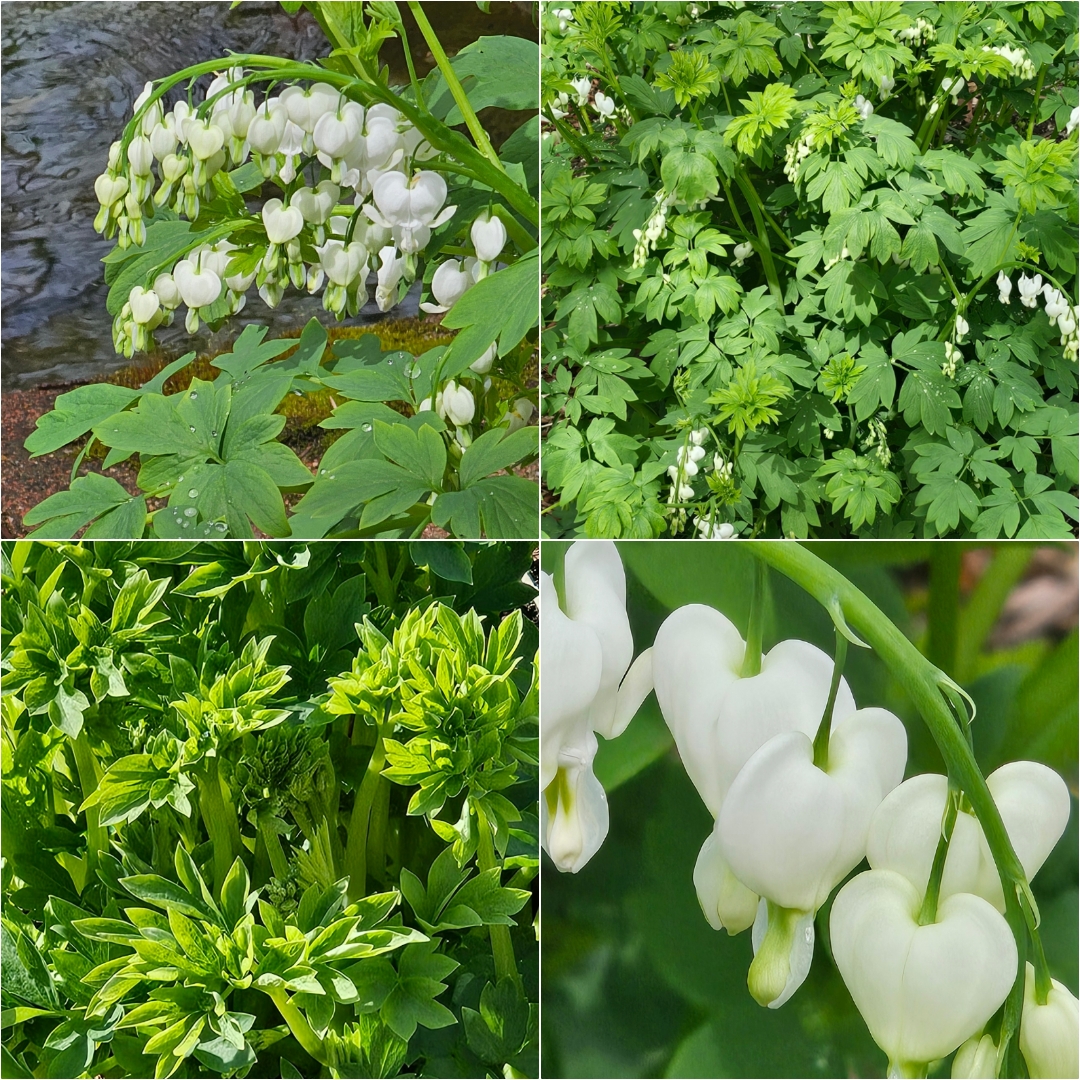
Blooms. Pink or white, heart-shaped, pendant-like flowers. These amazing little blooms literally cover the entire plant! Old-fashioned Bleeding Hearts self-sow fairly assertively – I’m routinely relocating unwanted babies from surprisingly diffuse spots.
Bloom time. Mid April through mid June.
Sunlight. They do well in shade to partial shade to dappled sunlight conditions, but can handle full sun in cooler temperatures.
Hardiness. Extremely cold-hardy. They’re good to go in Zones 3A-8B/9A.
Roots. Thick and somewhat fleshy, tuberous and rhizomatous. Be careful when handling these in bare root form – the roots are fairly brittle and can snap off if handled too roughly.
Soil. Slightly acidic, moist but well-drained.
Foliage. Rich green herbaceous perennial growth habit. The plants are somewhat ephemeral. As temperatures climb later in the summer in our Michiana Shores garden’s Zone 5B/6A, the foliage yellows, browns, and dies back.
Toxicity. All parts of the plant are toxic to humans and pets.

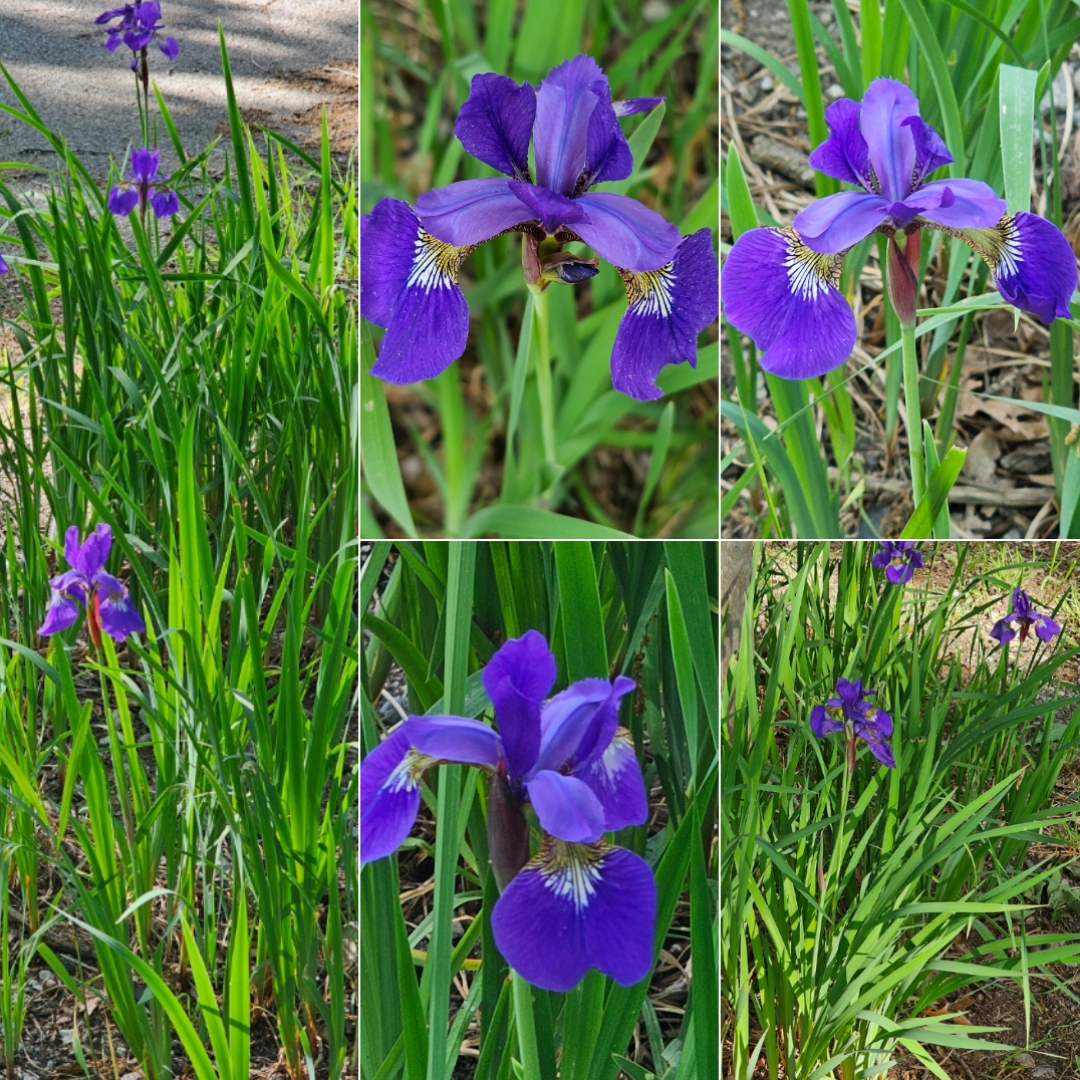
4. Siberian Iris (Iris sibirica): Reliable Clumping Beauty
I first wrote about our Michiana Shores garden’s Siberian Iris colony back in 2024 in my article “The Luck of the Iris: Caring for the Siberian Iris Colony That Never Stood a Chance”. In that article, you’ll read all about this amazingly resilient, transcendentally beautiful plant’s toughness and perseverance, plus, you’ll find a substantial amount of care information, too. Without a doubt, these plants will demonstrate their beauty and toughness with only the absolute minimal amount of care. The Siberian Iris’ flowers are gorgeous, and while they might not be as massive and showy as those of its cousin, the Bearded Iris, they’re certainly just as beautiful, and, in my opinion, though it appreciates a bit more water, the Siberian as a plant is less fussy.
If you opt for growing the Siberian Iris, you’ll get reliable growth and blooming with a clumping and spreading growth habit that ensures striking green foliage and vibrant bloom color in an ever-increasing swath of your garden. And if your garden’s in a part of the world that’s just as chilly as ours in Western Canada, your Siberian Iris plants will, for you, assuredly be power flowerers in Hardiness Zone 4A. Below are a few pics and some info to hopefully get you on your way.
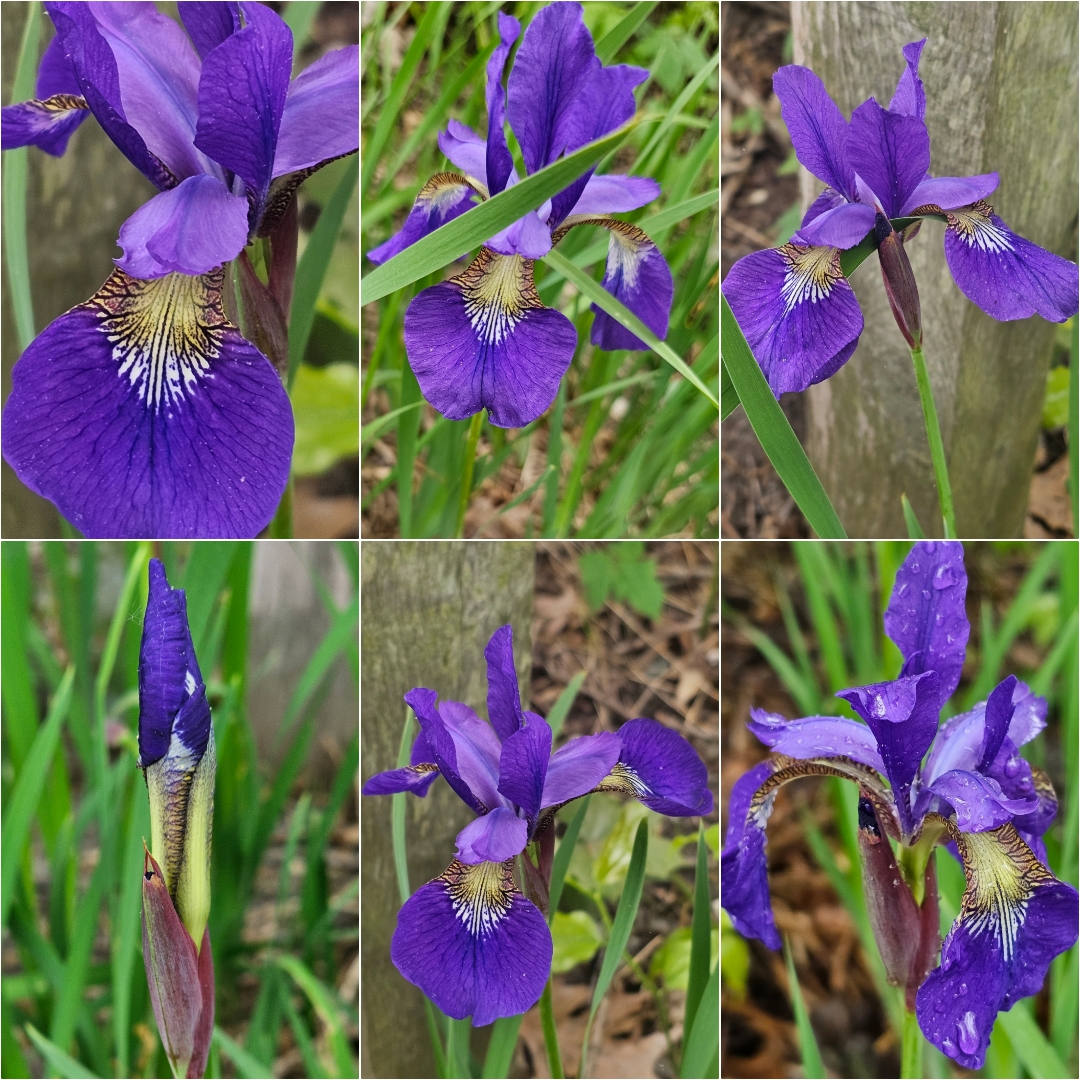
Blooms. Flowers can be purple, blue, yellow, red, white, or pink with a bright yellow patch (known as a “signal”) and contrasting dark veins on the sepal, or “falls” part of the flower.
Bloom time. Late spring through early summer.
Sunlight. Full to partial sun.
Hardiness. Extremely cold-hardy and resilient. They thrive in Zones 3A-8B.
Roots. Rhizomatous. In suitable soil conditions, a few Siberian Iris plants will spread to form substantial clumps.
Soil. Slightly acidic to neutral, moist but well-drained.
Foliage. Perennial green, grass-like leaves that persist after blooming and remain beautiful until fall.
Toxicity. Toxic to humans and animals.

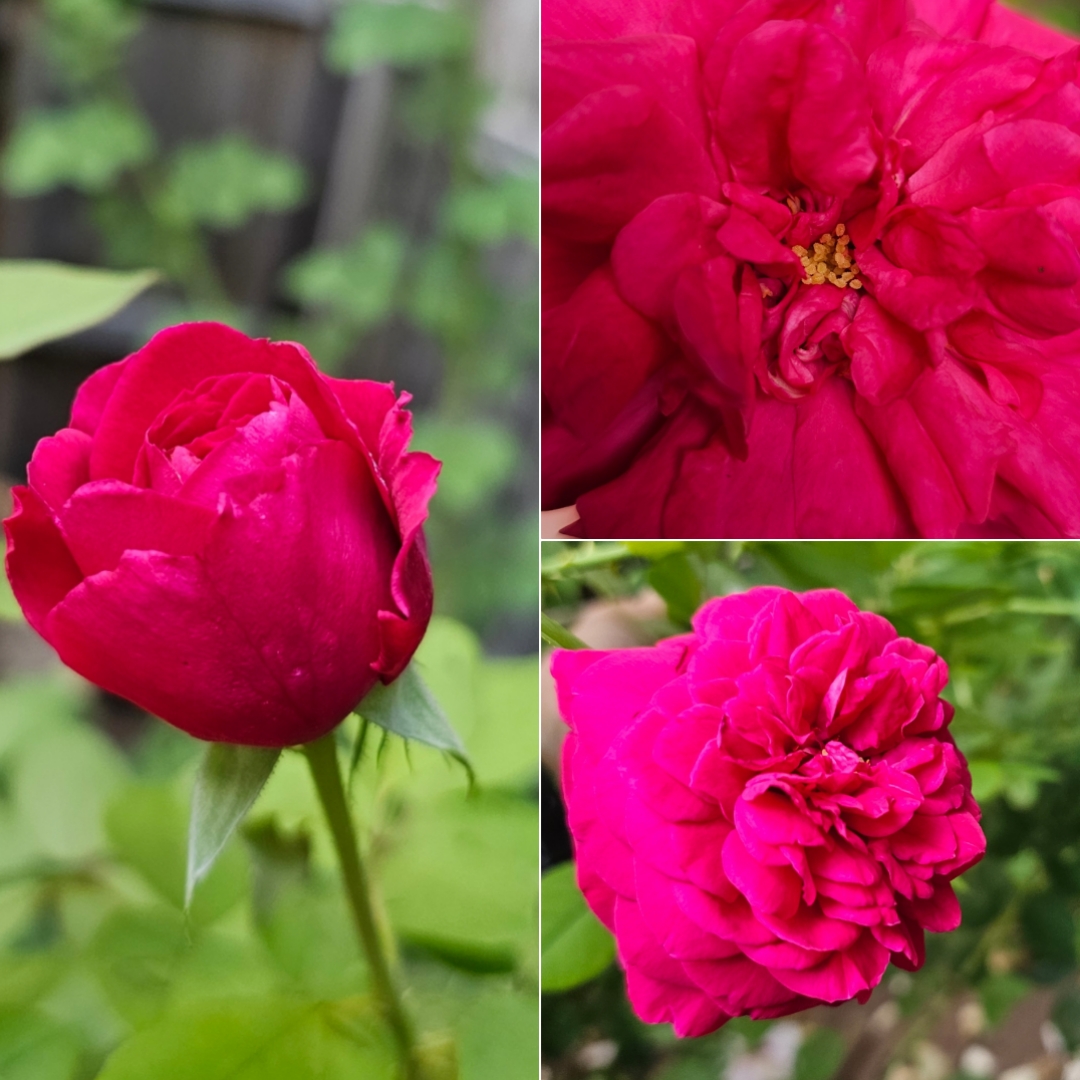
5. Tess of the d’Urbervilles English Climbing Rose (Rosa ‘Ausmove’PBR)
There are a number of cultivated and wild roses that can stand up to the cold of Hardiness Zone 4A winters, but we grow only two in our current Michiana Shores garden: A baby Rugosa Rose (Rosa rugosa), and the one that I’m including here, the English Climbing Rose, Tess of the d’Urbervilles (Rosa ‘Ausmove’PBR).
People who like to garden plant roses for one reason: their flowers. And people who want to plant roses in climates like the one we experience in our part of Western Canada are definitely going to be looking for exemplary rose options as their power flowerers in Hardiness Zone 4A. Well, I’ve got good news for those people – Tess of the d’Urbervilles fits the bill perfectly. We’ll be growing one in British Columbia, for sure.
There’s limitless information that one can find on the internet about overall rose care, and conveniently, a ton of it that I’ve written is accessible right here through the following links:
“How to Prepare Roses for Winter: A Field Guide”
“Organic or Synthetic Fertilizer for Roses: Which Is Better?”
These should arm you with an adequate amount of care info should you decide to try your hand at growing roses in Hardiness Zone 4A (or, for that matter, in any other suitable zone). But I will mention that, in this article, there’s a tiny bit of additional info included regarding pruning and prepping a climbing rose for winter. You’ll find that info, along with a bit more, plus a few pics, below.
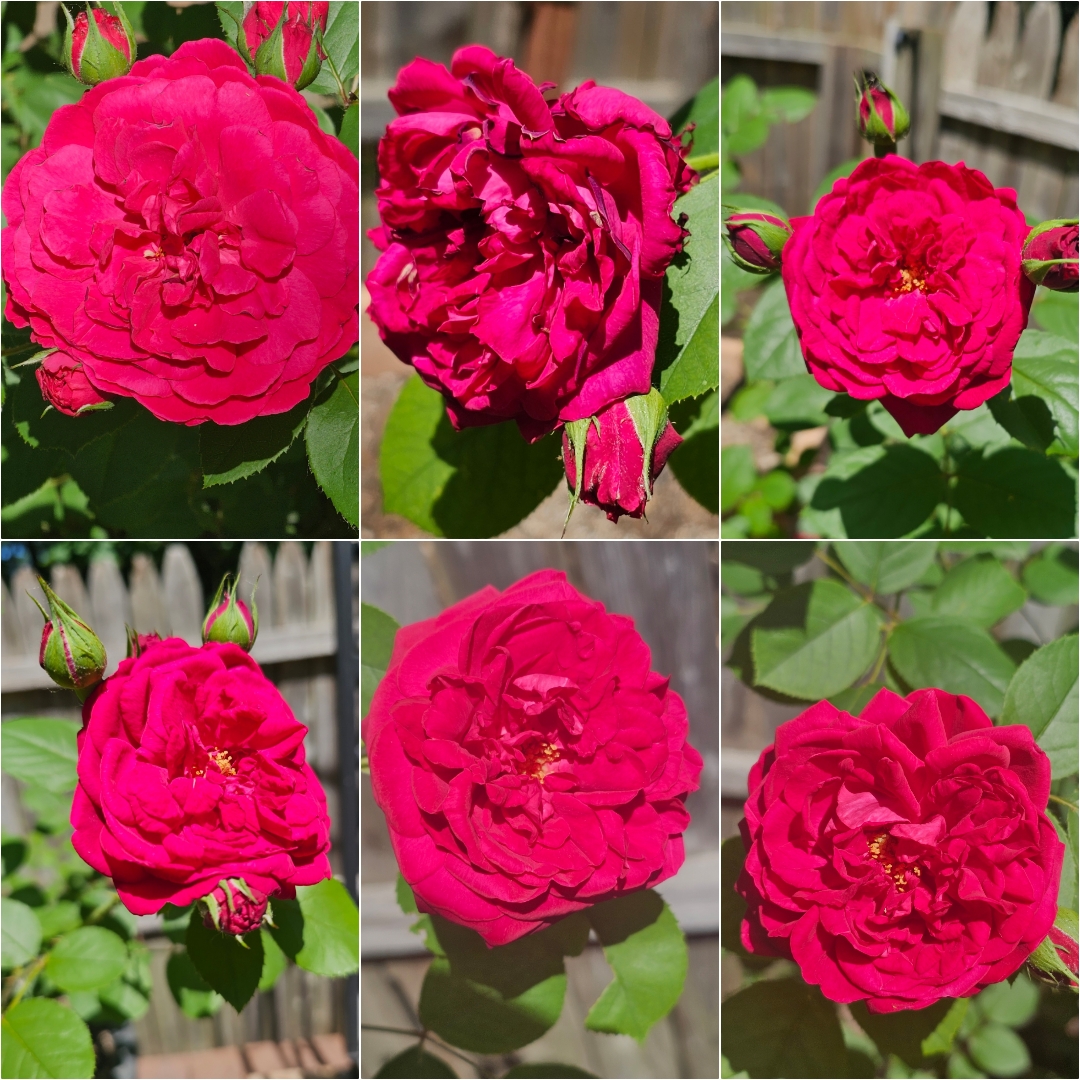
Blooms. Large, deep crimson blooms with an astounding petal count ot 110.
Bloom time. It’s a repeat bloomer, generating its awesome flowers from mid spring well into fall.
Sunlight. Ours loves full sun, and blooms heavily as a result.
Hardiness. Very cold-hardy. Zones 4A-11B.
Roots. Thick and fibrous. Ours was planted as an own root bare root.
Soil. Can handle slightly acidic through slightly alkaline soil. Soil should be well-draining. Water this rose heavily once or twice per week during the growing season, slightly more frequently if it’s potted.
Foliage. It’s a relatively compact climber, growing only to about 8′ in height. The foliage is a rich dark green and its main canes and side shoots are robust and substantially well-thorned.
Toxicity. Can be mildly toxic to dogs and cats.
Pruning and winter preparation. In late fall, prune back only smaller side shoots and leave the main canes intact. It’s helpful to protect this aerial growth at this time by wrapping/draping it with burlap or another suitable protective material.

6. Spiked Speedwell (Veronica spicata): Long-flowering, Long-lived, and Cold-hardy
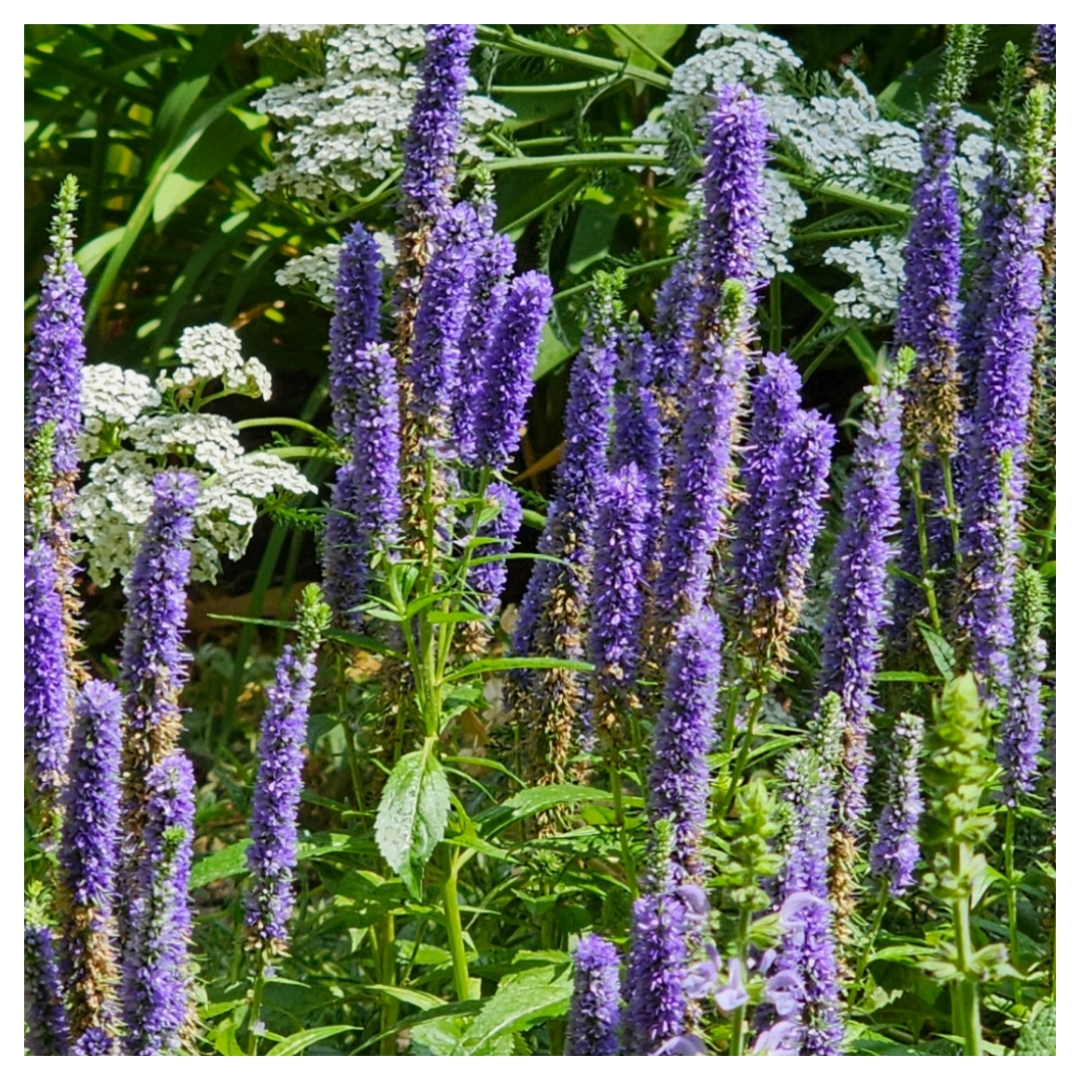
Veronica spicata, commonly known as Spiked Speedwell, are beautiful long-flowering, long-lived, cold-hardy perennials that make outstanding power flowerers in Hardiness Zone 4A. The species is available at the retail level in a large number of cultivars and varieties, several of which we grow in our Michiana Shores 5B/6A garden, but which we’ll also grow in our British Columbian Zone 4A garden. These plants grow beautifully in the ground or as potted specimens, returning reliably every spring for years and years.
Though I’ve not written about growing Spiked Speedwell here in The RGG, I did shoot an RGG YouTube Channel video about deadheading them to encourage continued flowering throughout the late spring and summer. You can click here to watch the vid, and, for what it’s worth, you can keep in mind that in the later part of the summer (usually late August) when the plant stops blooming, you can prune it way back to the basal foliage and potentially get a few more flower stems and spikes to emerge in time for autumn. It’s been hit or miss for me on that score. It’s worked a few times, but more often has not.
In any case, below are a few photos and some solid basic info to get you thinking about growing some of these for yourself in your own Zone 4A garden.
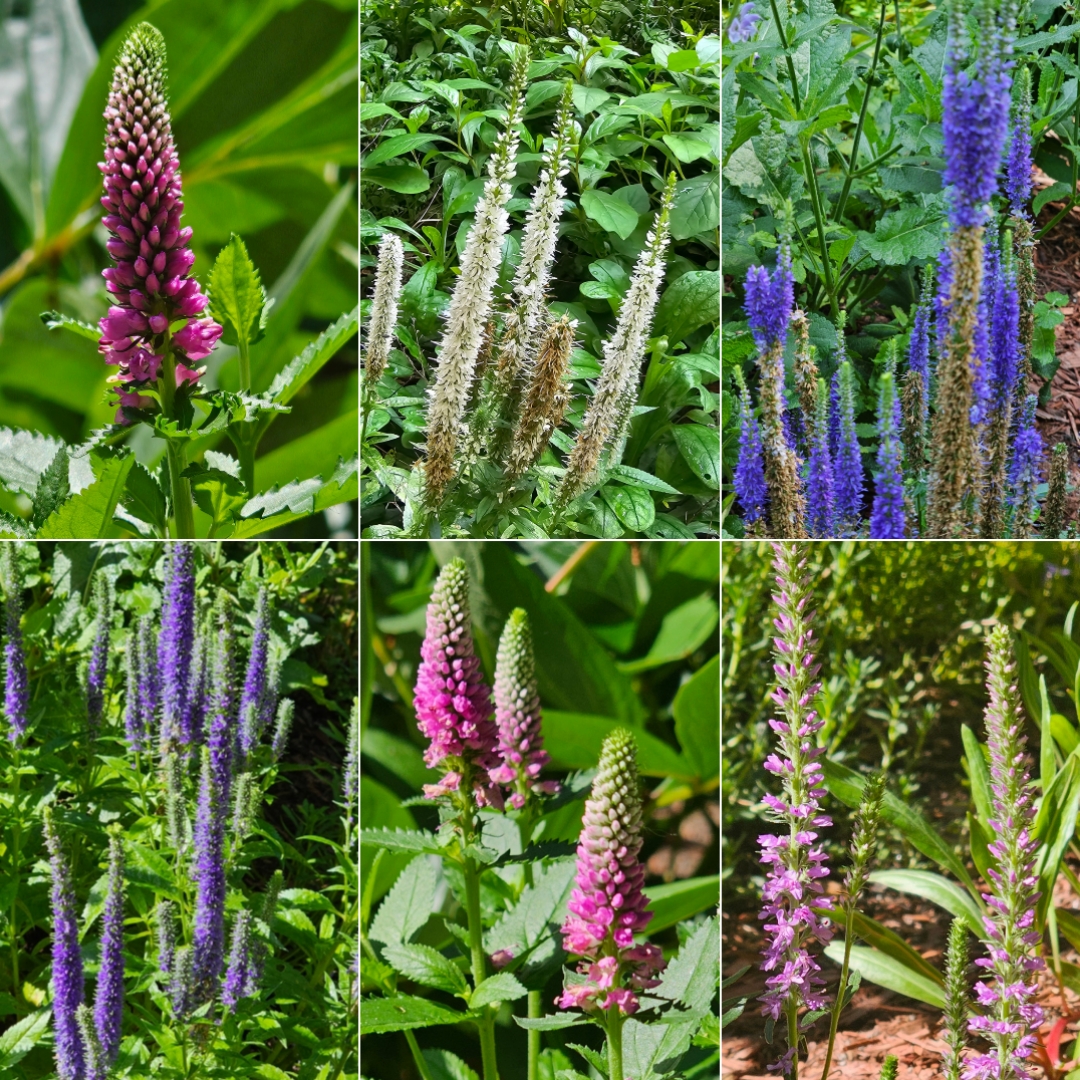
Blooms. Upright spikes in varying shades of blue, purple, pink, and white, depending on the cultivar/variety.
Bloom time. Mid June through much of August. Can potentially bloom again in autumn if the plant is pruned down to its basal foliage.
Sunlight. Ours flower most proficiently in full sun, and a few even do pretty well in partial shade. But full sun is your best bet if you want to give them the best chance for long lives and power flowering.
Hardiness. Extremely cold-hardy – they thrive in Zones 3A-8B.
Roots. Shallow and fibrous. Some sources claim that these plants have a creeping rootstock. The specimens in our garden do clump, but don’t seem to spread in any real noticeable fashion. They’re definitely not aggressive or invasive.
Soil. Moist, well-drained soil. They don’t like to dry out, and they don’t like soggy soil. Slightly acidic, to neutral, to slightly alkaline. Ours grow well in all of these pH conditions.
Foliage. Perennial, herbaceous. Medium green, toothed leaves that can be linear/lanceolate.
Toxicity. Nope. They’re considered safe around people and pets.

7. Toad Lily (Tricyrtis hirta): Surreal Blooming Well into Autumn
The Toad Lily, Tricyrtis hirta, also called the Japanese Toad Lily and Hairy Toad Llily (every surface of the plant – leaves, stems, flower parts – is covered with tiny hairs!) is one of the most strangely beautiful of all of the plants we grow in our 5B/6A garden, and the fact that it’s cold hardy enough to be one our Western Canadian power flowers in Hardiness Zone 4A makes it, for Ann and me, even more alluring. Its orchid-like flowers show up in very late summer through well into autumn, and it can often continue to bloom even after a first or second frost! There are several clumps of these rhizomatous spreaders in our Michiana Shores RGG garden, and the surprising story of how one of those clumps found itself there, along with literally a TON of information about their history, their taxonomy (they’re not true lilies, despite their common name), their characteristics, and their care, plus a bunch of great photos, can be found in my 2022 article, “‘What the Hell is a Toad Lily?'”. The article is enormously informative and well-photographed, and I highly recommend giving it a read. Below, you can check out a few pics and some basic info about these wondrous, cold-hardy plants.
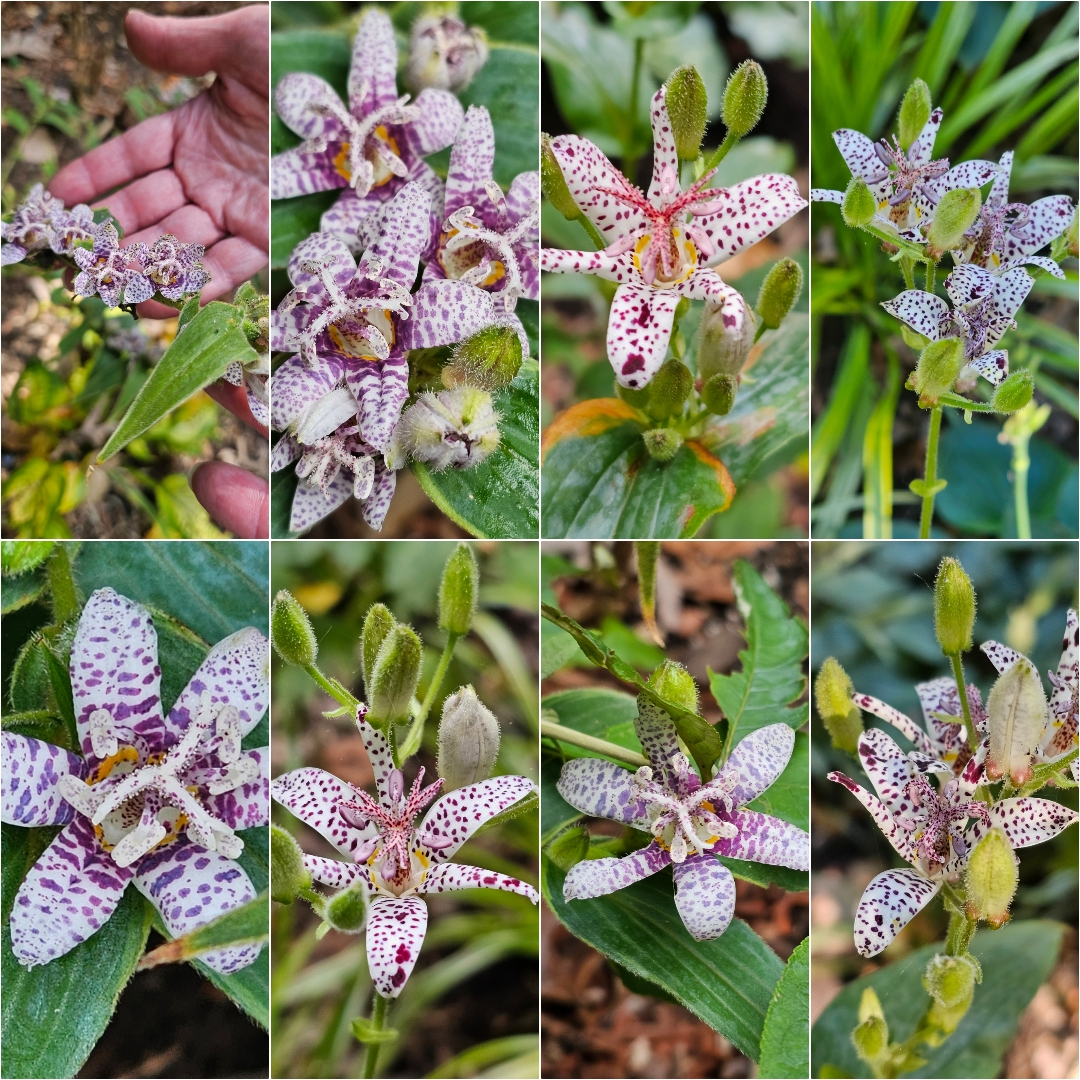
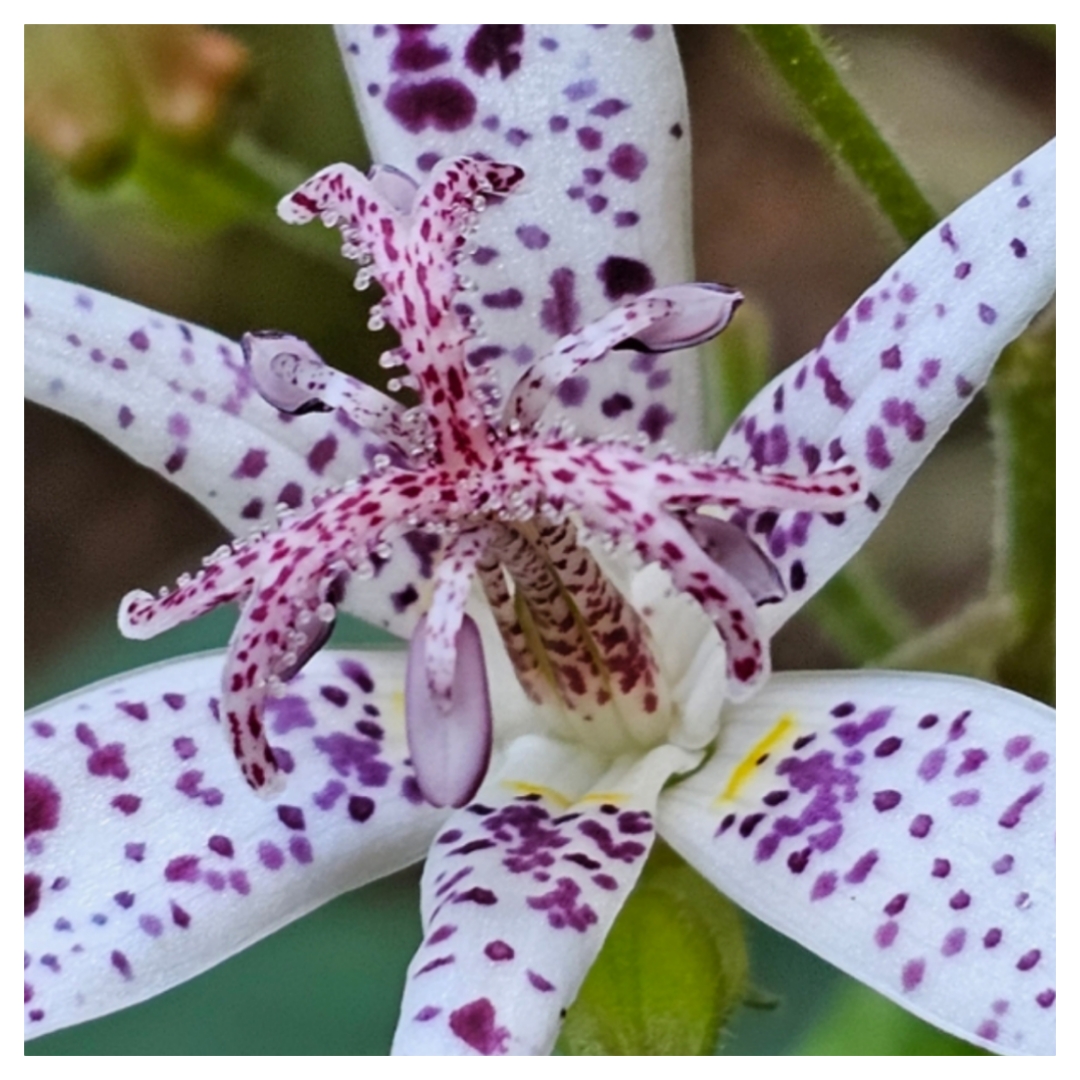
Blooms. White or very light lavender/purple with dark purple, dark red, or dark blue spots. The form of each bloom is small, having 6 tepals and 3 nectaries at the base of the tepals. Toad Lily flowers look strikingly similar to those of a number of orchid genera, and they’re extremely pollinator-friendly.
Bloom time. Late summer/early autumn through the first or second light frost of the year.
Sunlight. Partial to full shade, though they can do well in partially to even mostly sunny conditions in cooler climates and/or if they’re well-watered.
Hardiness. Hardiness Zones 4A-9B. They’re very cold-hardy.
Roots. Rhizomatous spreading action allows one Toad Lily to become many over the course of several years. They grow and spread slowly and are not aggressive or invasive in the least.
Soil. Continuously moist, well-drained soil that’s slightly acidic through neutral works best. They’ll need more water in hotter, sunnier locations.
Foliage. Perennial, herbaceous. Solid green or slightly variegated leaves are lanceolate and have two basal lobes (where they attach to and slightly “wrap” each single, non-branched stem) that give them a “clasping” appearance. As mentioned, all parts of the Tricyrtis hirta is covered with tiny hairs – including the foliage.
Toxicity. All parts of the Toad Lily are toxic to people and pets.

8. Phlox (Phlox): 3 Kinds and They’re All Extremely Cold-hardy (and Beautiful)
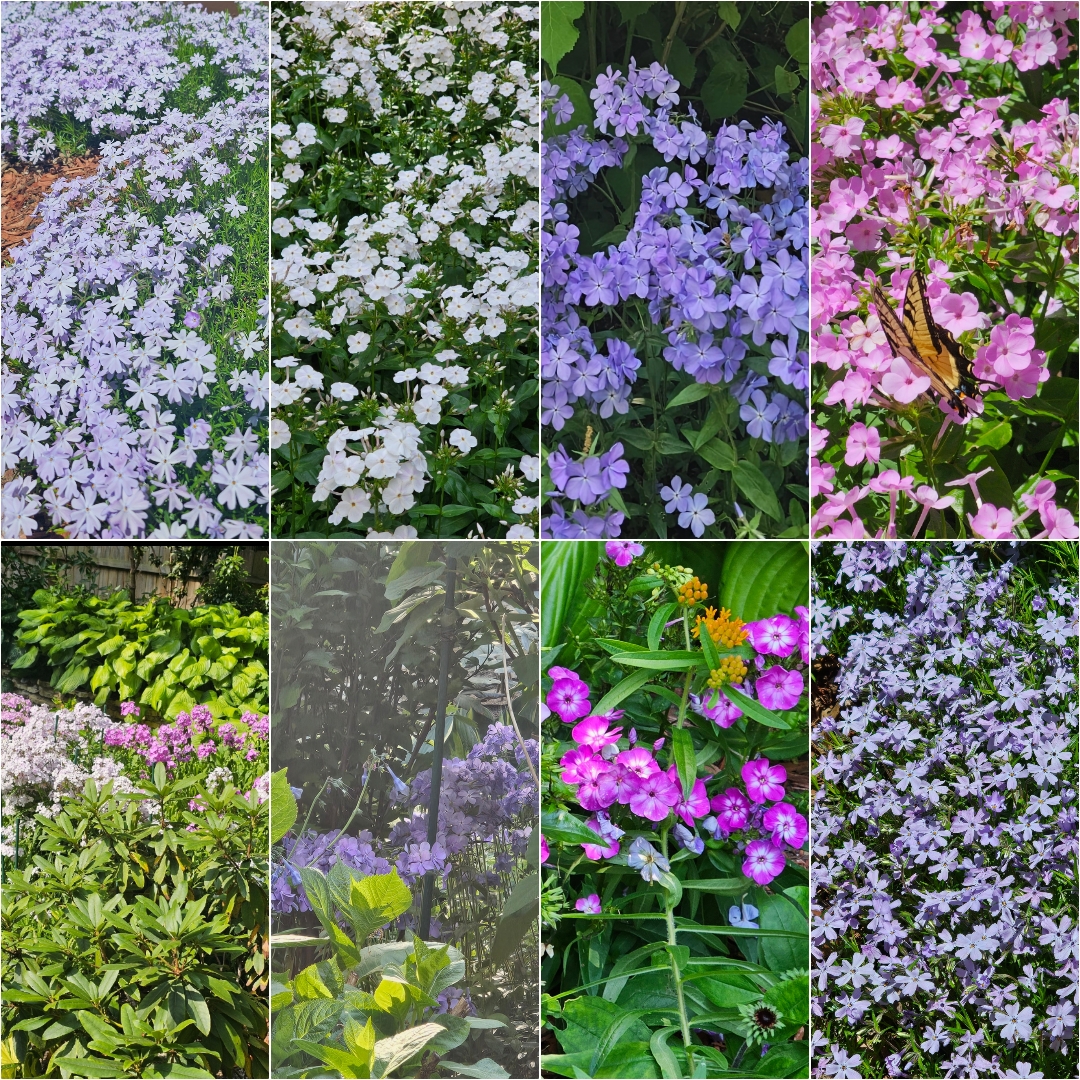
Before we go any further, I’m going to recommend a read of my 2025 article, “Growing Phlox in Sun through Shade”. In it, you’ll learn just about everything you need to know to effectively grow and care for three of the most popular Phlox species (and their respective cultivars, hybrids, crosses, varieties, etc.) that appear in ornamental gardens worldwide. Since that article will give you the technical know-how, plus a litany of my own experiences growing Creeping Phlox, Woodland Phlox, and Garden Phlox in our Michiana Shores 5B/6A garden, right here, you’ll simply get mostly photos, plus a smattering of very basic info (below). But the main takeaway today is that all of these Phlox plants are ultra-cold-hardy, and that we’ll be growing them in Western Canada where they’ll be, just as they’ve been for us in our comparatively warmer 5B/6A garden in the Midwest, power flowerers in Hardiness Zone 4A.
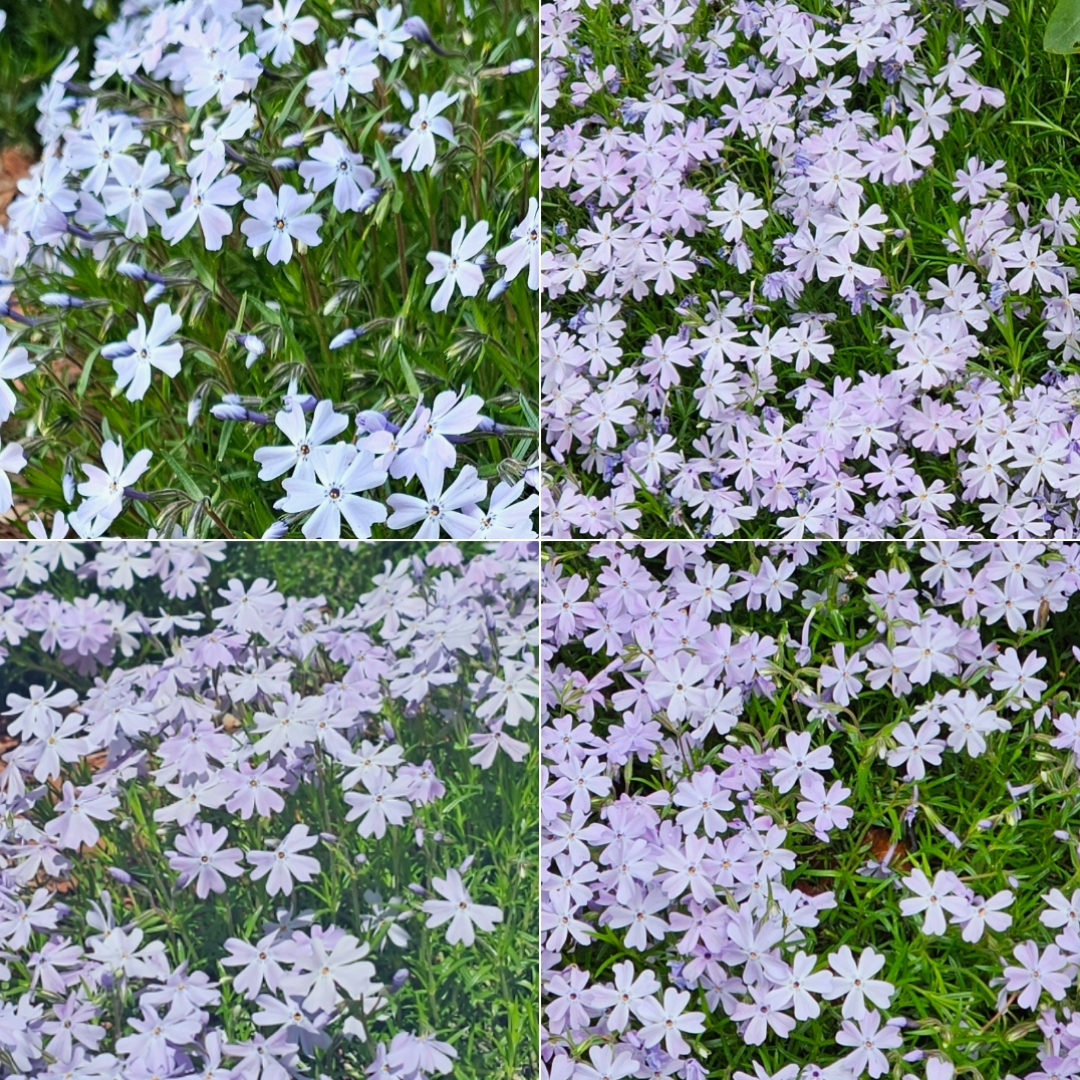
Creeping Phlox (Phlox subulata)
An incredibly cold-hardy, early-blooming groundcover in full sun. Creeping Phlox does its thing in Zones 2A-9B and is the most cold-hardy of all of the Phlox species. It blooms incredibly heavily in the spring and its foliage persists as a beautiful, evergreen to semi-evergreen, dense, green mat. In addition to my 2025 Phlox article, you can read a bit more about this plant’s growing predilections and performance details in my 2022 article, “7 Super Perennial Groundcovers for Sun, Shade, and More”. Take a look below at how mightily these little blooming machines flower. Power flowerers in Hardiness Zone 4A? You bet your ass. And, like all of the Phlox species you’ll see and read about here, they slowly spread via stolons to form clumps and colonies, they’re serious pollinator magnets, and they’re non-toxic, so little Timmy Jr., Rover, and Whiskers are gonna be OK around them.
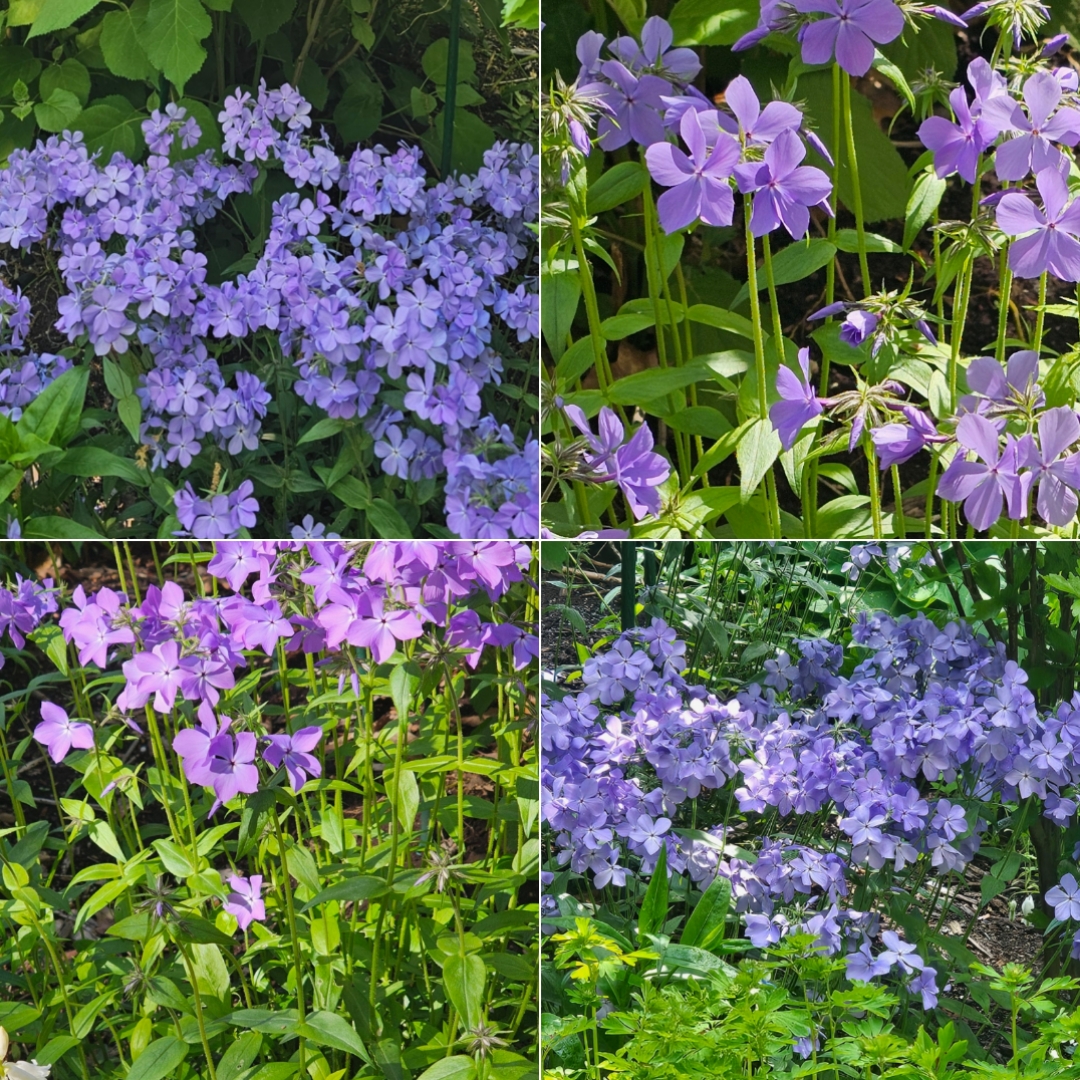
Woodland Phlox (Phlox divaricata)
Resonant, glowing color and outstanding cold-hardiness in shade. Beautiful blooms cover these Midwestern native perennials from mid to later spring, and they do so in partial to full shade. The intensity and vibrancy of each flower’s color makes it seem to glow in shady garden spots. Like all Phlox species, they’re shallow-rooted and spread slowly via stolons, and they’re visited continuously by pollinators. Before long, these will find themselves growing in our garden in Western Canada. They’re hardy in Zones 3A-8B.
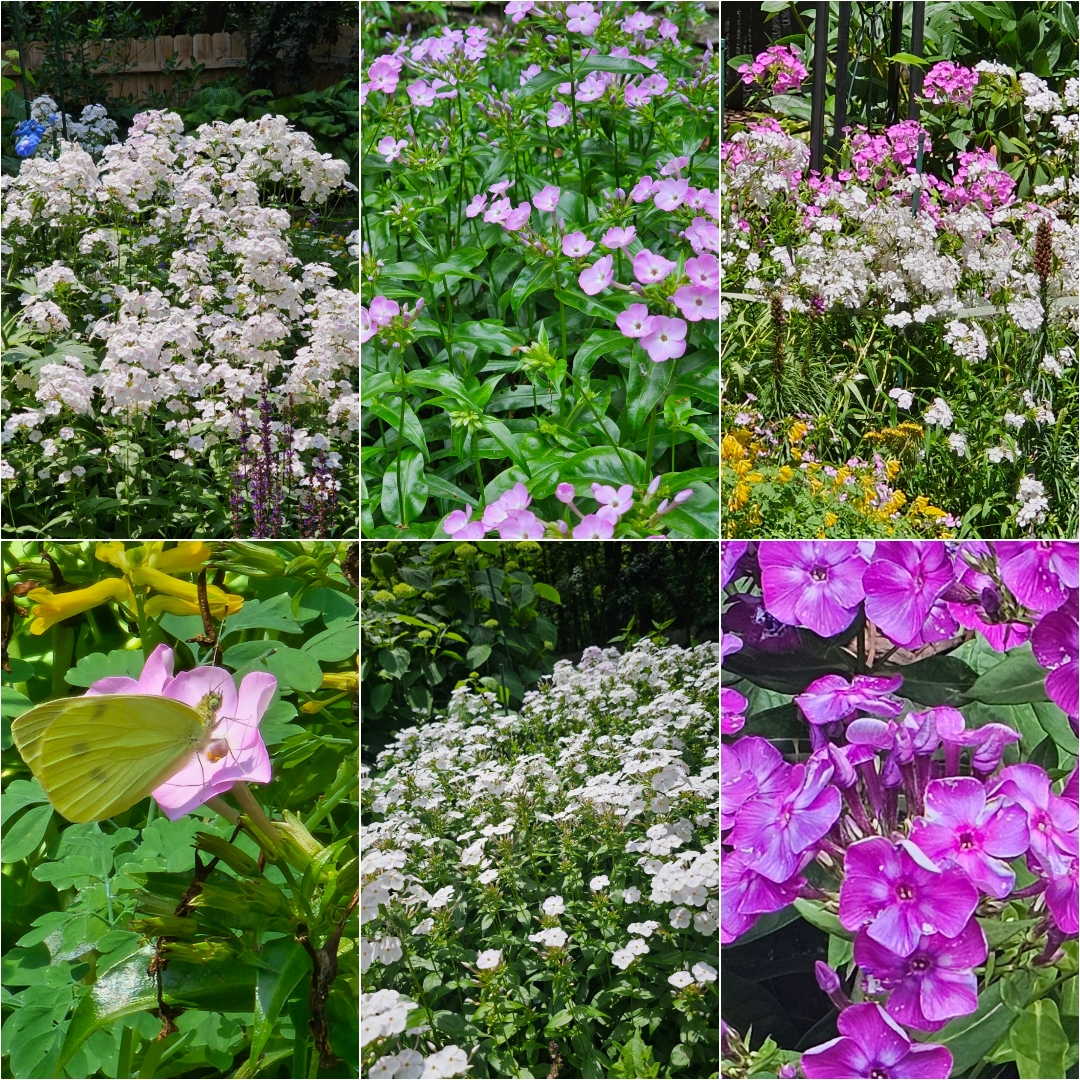
Garden Phlox (Phlox paniculata)
Adaptable, cold-hardy, long-flowering, and insanely beautiful. When most flower-growing types hear the word “phlox,” they generally think of this incredibly popular, ubiquitous (it’s also considered a native perennial in many parts of the U.S.), and, of course, beautifully-blooming species. My own grandmother grew Garden Phlox in glorious clumps and colonies for over half a century in her Chicago garden, and we currently grow a whole mess of it in our Michiana Shores RGG garden. Although it’s generally considered a sun-loving species, it can still flower fairly prolifically in partially shady to even shady conditions. Ours definitely do. Again, like all Phlox species, it spreads slowly via stolons to cover the ground in brightly-colored clumps and colonies, and pollinators of every sort find them irresistable. Garden Phlox has a very long bloom time, and many cultivars will rebloom. If you grow a few varieties, it’s not unreasonable to expect color from late spring through early fall in your garden. Depending on the particular kind, these plants can typically grow anywhere from 1.5′ to 4′ in height, so their use in front, mid, and back borders is practically limitless. They’re hardy in Zones 4A-8B, and it’s a definite no-brainer that we’ll be growing them in British Columbia’s Zone 4A.
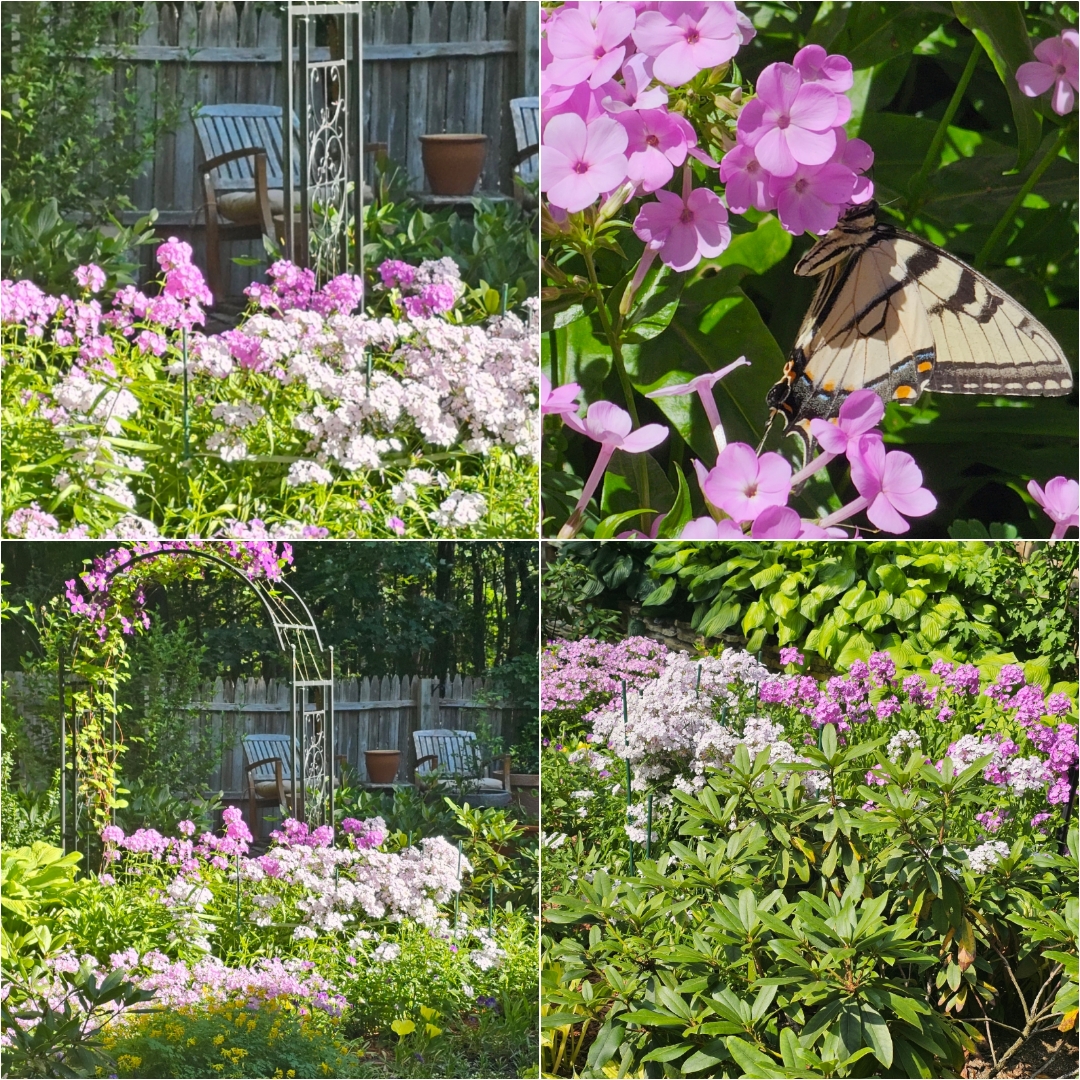
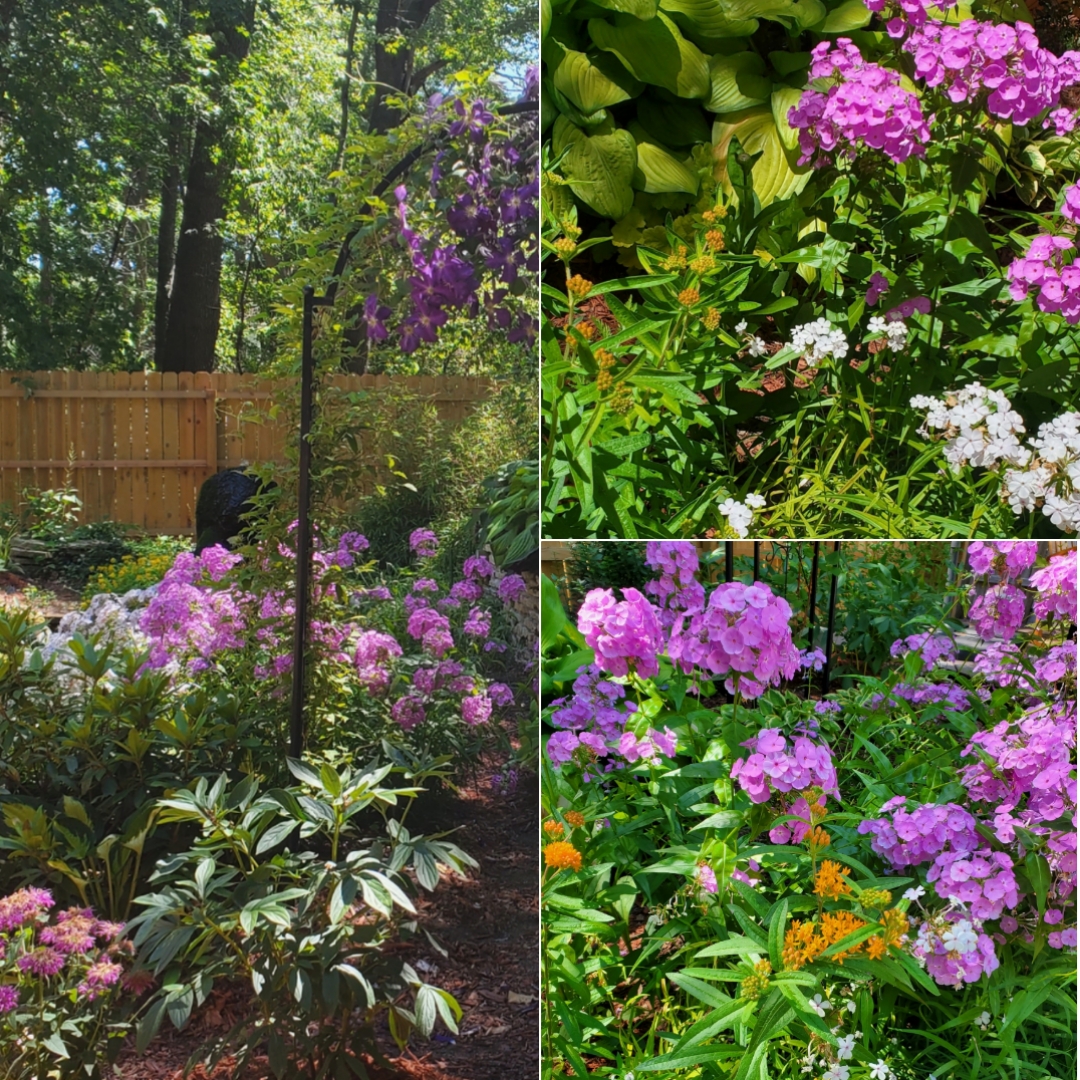

Our Own Western Canadian Power-flowerers in Hardiness Zone 4A: Now You Know Them
Peonies, Daffodils, Bleeding Hearts, Irises, Speedwell, Roses, Toad Lilies, and Phlox. They all grow in The RGG Michiana Shores garden, and they’ll be growing in The RGG British Columbian garden, too. Each one is a beautiful performer, and I highly recommend giving any and/or all of them a shot if you’re looking for something to flower mightily for you in your own part of the world. Of course, I really do hope that you’ve found this article, Part 5 in my ongoing 8-part Hardiness Zone 4A series, at least a little informative and interesting. It’s been a lot of fun for me showing you what we’ll be doing in our new 4A garden, and I’d love to have you stick around for the series’ Part 6: “Lilies and Daylilies in Hardiness Zone 4A”. Keep it right here to check it out. It’s a good one, and it’ll be here soon.
Cheers, and Happy Gardening!
John Stamos is a writer and is co-publisher of The Renaissance Garden Guy. His work has appeared in a number of publications including, most recently, A Man for Some Seasons, Splice Today, and, of course, The Renaissance Garden Guy. He is married to his multitalented sweetheart, the mycologist and writer Ann Simpson-Stamos.


The Renaissance Garden Guy is a participant in the Amazon Associates Program. As an Amazon Associate, The Renaissance Garden Guy earns from qualifying purchases.
Additionally, The Renaissance Garden Guy is a participant in the Bluehost, SeedsNow, and Hosting.com (formerly A2 Hosting) affiliate programs. The Renaissance Garden Guy earns a fee/commission each time a visitor clicks on an ad or banner in this site from one of these companies and makes a subsequent qualifying purchase.
Please click here to view The Renaissance Garden Guy Disclosure page.



It’s great to know that all of these wonderful favorites will thrive for you out there in Western Canada’s Zone 4A. They all evoke memories of a bygone era. And, incidentally, my daffodils that are all up? Those original bulbs are seventy years old!
Thanks once again, Kevin, and thanks for the incredible info on your amazing daffs! They’re like a fine wine: they get better with age… astounding!
Such beautiful flowers 🌺
Absolutely enjoyed reading this.
Can’t wait to see the beautiful garden in bloom🌼🌸🌺
Thank you so much for reading this one, Roxxy. I’m glad you liked the shots. The flowers really do make excellent photographic subjects, I think. Even my crappy photography can’t diminish their beauty! I hope you decide to give some of these a try, Roxxy – as a lover of beauty, you’d be very happy having at least a few of these in your field of view, I believe. Thanks once again, Roxxy!
Your new Canadian garden will be full of the wonderful plants that any flower fancier would absolutely love and look forward to seeing each year. My daffodills are already up, so I know spring is here to stay!
Thank you for reading Part 5, Kevin, and thanks so much for your kind words. I’m happy to hear that your daffs are doing their thing. As you’ve said, that’s a sure sign of spring. Great news!
I do miss so many of the spring blooms and their wonderful scents.
I understand, Scott. They’re really wonderful, and after a while, they do become a part of our lives. Thank you for reading the piece, Scott, and for your kind comments.
A wonderful piece that I thoroughly enjoyed reading, John! Very informative, and the plants are so beautiful. An excellent selection of ones to consider for a garden in our hardiness zone.
Thank you for reading the article, Jo, and for your kind words. When I started really looking carefully into the cold weather survivability of some of these beautiful flowering perennials, I was actually surprised. In Zone 5B/6A, the absolute coldest temps that many of them could tolerate wasn’t ever anything I felt I needed to consider. But realizing that Ann and I wanted to grow them in BC prompted a more careful look at their cold climate capabilities. I’m happy that you like these candidates, Jo. It’ll be a great pleasure to grow and care for them in BC!
No starting over for you. Many of your familiar plants and flowers also thrive in your new Canadian home area. Best wishes for you and Ann.
Thank you very much, Rick. I appreciate your kind words and wishes. It’s a comfort knowing that these old friends – these beautiful flowers – will continue to make us happy in British Columbia, too. They’re really such wonderful companions! Thanks once again, Rick.
Such a wonderful array of flowers that you can enjoy in both planting zones! Very inspiring!
Thanks for reading this one, Lisa, and thank you for the kind words. I know that a lot of these are pretty much old stand-bys, but their beauty and resistance to frigid temperatures are undeniable. I think it’ll be really gratifying growing these in British Columbia. Thanks once again, Lisa.